Introduction to Nanotechnology in Medicine
Imagine a world where doctors can deliver a full dose of radiation directly to a cancer cell, or where they can pinpoint and eradicate a single bacterium without disturbing the surrounding healthy tissue. This is the potential of nanotechnology in medicine, a field that promises to revolutionize the way we detect and treat diseases, and maintain health at the cellular level.
Nanotechnology, the science of manipulating materials on an atomic or molecular scale, has been making waves in various sectors, from electronics to energy. However, its implications for medicine could be the most profound. By working at the nanoscale – about 1 to 100 nanometers in size (a human hair is approximately 80,000-100,000 nanometers wide) – scientists can create devices, systems, and drugs that can interact with our bodies in entirely new ways.
The concept of nanotechnology was first introduced by physicist Richard Feynman in his 1959 talk, “There’s Plenty of Room at the Bottom,” but it wasn’t until the 1980s that advanced microscopic techniques allowed scientists to manipulate individual atoms and molecules. Since then, the field has grown rapidly, with researchers developing a wide variety of nanoscale devices and materials with medical applications.
From drug delivery systems that can target specific cells to nanoscale sensors that can detect disease biomarkers, nanotechnology is set to change the face of medicine. This article will delve into the current applications of nanotechnology in medicine, explore its future possibilities, and address the challenges and ethical considerations associated with its use. We’ll also look at case studies of nanotechnology in action, and discuss its potential economic impact.
Whether you’re a medical professional looking to stay on the cutting edge, a patient interested in the latest treatments, or simply a curious reader, this comprehensive guide will give you a deeper understanding of the potential of nanotechnology in medicine.
Table of contents
- Introduction to Nanotechnology in Medicine
- Current Applications of Nanotechnology in Medicine
- Future Possibilities of Nanotechnology in Medicine
- Challenges and Ethical Considerations of Nanotechnology in Medicine
- Case Studies: Nanotechnology in Action
- The Role of Nanotechnology in Drug Delivery
- Nanotechnology in Medical Imaging
- The Impact of Nanotechnology on Surgery
- Nanotechnology for Disease Prevention
- The Economic Impact of Nanotechnology in Medicine
- Nanotechnology and Personalized Medicine
- Nanotechnology in Cancer Treatment
- The Role of Nanotechnology in Regenerative Medicine
- Nanotechnology and the Future of Diagnostics
- Common Questions About Nanotechnology in Medicine
Current Applications of Nanotechnology in Medicine
As we delve into the present-day applications of nanotechnology in the medical field, we find a plethora of innovative and transformative uses that are already having a profound impact on patient care and treatment outcomes. Nanotechnology, with its ability to manipulate matter at the atomic and molecular scale, has opened up new frontiers in diagnostics, therapeutics, and preventive healthcare.
One of the most prominent applications of nanotechnology in medicine today is in the area of drug delivery. Nanoparticles, which are particles between 1 and 100 nanometers in size, are being used to deliver drugs directly to diseased cells in the body. This targeted approach minimizes the side effects of drugs and improves their efficacy. For instance, nanoparticles are currently being used to deliver chemotherapy drugs directly to cancer cells, minimizing the damage to healthy cells and improving patient outcomes.
Nanotechnology is also revolutionizing the field of medical imaging. Nanoparticles can be engineered to bind to specific types of cells, such as cancer cells, and then imaged using techniques such as magnetic resonance imaging (MRI), providing a powerful tool for the early detection of diseases. For instance, nanoparticles called quantum dots are being used to improve the resolution and contrast of images obtained by MRI.
In the field of diagnostics, nanotechnology is being used to develop rapid, sensitive, and portable diagnostic devices. Nanosensors, which can detect minute changes in the chemical composition of a sample, are being used to detect biomarkers for various diseases at an early stage. These nanosensors can be incorporated into handheld devices, making it possible to carry out diagnostic tests at the point of care, rather than in a laboratory.
Another exciting application of nanotechnology in medicine is in the area of tissue engineering and regenerative medicine. Nanofibers and nanoparticles are being used to create scaffolds for tissue regeneration, enabling the repair or replacement of damaged tissues and organs. This has potential applications in the treatment of conditions such as heart disease, diabetes, and spinal cord injuries.
While these applications are certainly transformative, it is important to note that they are just the tip of the iceberg when it comes to the potential of nanotechnology in medicine. As research in this field continues to progress, we can expect to see many more innovative applications in the near future.
Future Possibilities of Nanotechnology in Medicine
Nanotechnology has already made significant advancements in the field of medicine, but its potential for the future is even more exciting. As researchers continue to explore and develop new applications, the possibilities for nanotechnology in medicine are virtually limitless.
One area where nanotechnology shows great promise is in targeted drug delivery. Currently, many drugs have to be administered systemically, meaning they affect the entire body, leading to potential side effects. However, with nanotechnology, drugs can be encapsulated in nanoparticles that can specifically target diseased cells or tissues, delivering the medication directly to where it is needed. This targeted approach not only increases the effectiveness of the treatment but also reduces the risk of side effects.
Another future possibility of nanotechnology in medicine is in the field of medical imaging. Nanoparticles can be engineered to have unique optical properties, allowing them to be used as contrast agents in imaging techniques such as MRI or CT scans. These nanoparticles can help improve the resolution and sensitivity of the imaging, enabling healthcare professionals to detect diseases at an earlier stage and with greater accuracy.
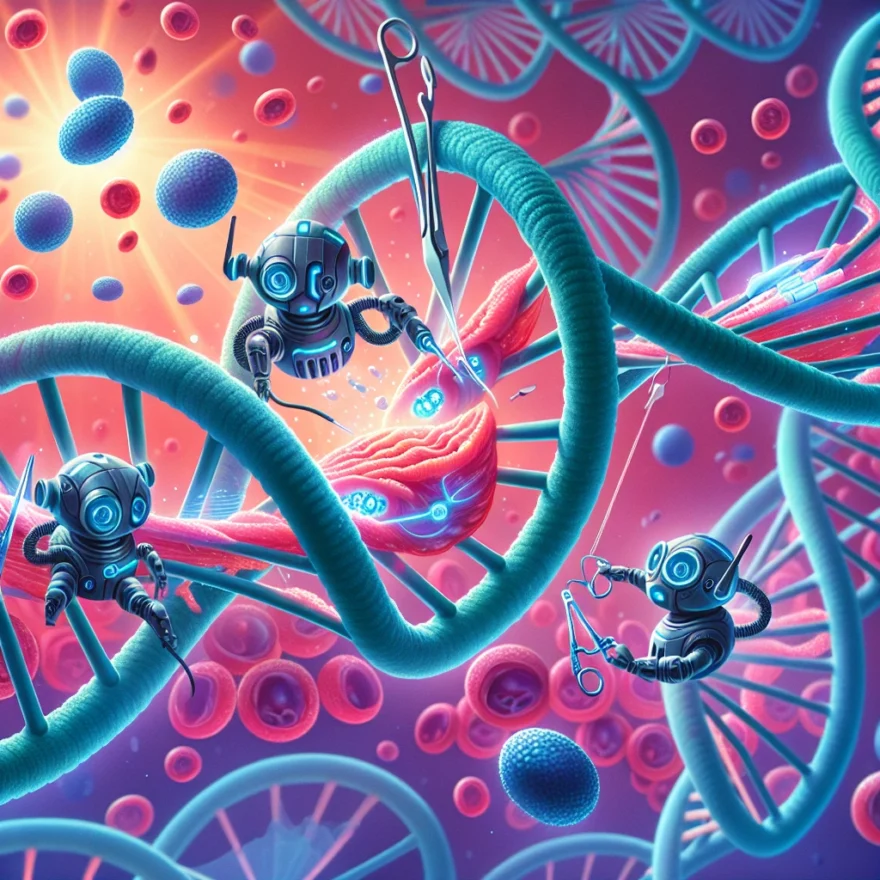
Nanotechnology also holds great potential in the field of surgery. Nanorobots, tiny devices capable of performing precise tasks at the cellular level, could revolutionize surgical procedures. These nanorobots could be used to repair damaged tissues, remove blockages in blood vessels, or even deliver drugs directly to cancer cells. By enabling minimally invasive procedures and enhancing surgical precision, nanotechnology could greatly improve patient outcomes and recovery times.
Furthermore, nanotechnology could play a crucial role in disease prevention. Nanosensors could be developed to detect biomarkers associated with various diseases, allowing for early diagnosis and intervention. Additionally, nanoparticles could be engineered to mimic the body’s natural defense mechanisms, helping to boost the immune system and prevent the onset of certain diseases.
The economic impact of nanotechnology in medicine is also worth considering. As nanotechnology continues to advance, it has the potential to drive down healthcare costs by enabling more targeted and efficient treatments. Additionally, the development and commercialization of nanotechnology-based medical products could create new industries and job opportunities.
Nanotechnology is also poised to revolutionize the field of personalized medicine. By utilizing nanoscale technologies, healthcare providers can tailor treatments to individual patients based on their unique genetic makeup, lifestyle, and medical history. This personalized approach has the potential to greatly improve treatment outcomes and patient satisfaction.
In the realm of cancer treatment, nanotechnology offers exciting possibilities. Nanoparticles can be designed to selectively target cancer cells, delivering chemotherapy drugs directly to the tumor while minimizing damage to healthy cells. This targeted approach could significantly enhance the efficacy of cancer treatments and reduce the debilitating side effects often associated with chemotherapy.
Regenerative medicine is another area where nanotechnology holds great promise. Nanomaterials can be used to create scaffolds that support the growth of new tissues and organs. These scaffolds can be seeded with stem cells or other regenerative cells, providing a framework for tissue regeneration. This approach could potentially revolutionize the treatment of injuries and diseases that currently have limited treatment options.
Lastly, nanotechnology has the potential to transform diagnostics. Nanosensors and nanodevices could be developed to detect and monitor biomarkers in real-time, providing rapid and accurate diagnostic information. This could lead to earlier detection of diseases and more effective treatment strategies.
In conclusion, the future possibilities of nanotechnology in medicine are vast and exciting. From targeted drug delivery to personalized medicine, from regenerative medicine to improved diagnostics, nanotechnology has the potential to revolutionize healthcare and improve patient outcomes. As researchers continue to push the boundaries of nanotechnology, we can expect to see even more groundbreaking advancements in the field of medicine.
Challenges and Ethical Considerations of Nanotechnology in Medicine
Nanotechnology has immense potential in revolutionizing medicine, but it also comes with its fair share of challenges and ethical considerations. As with any emerging technology, it is crucial to address these concerns to ensure the safe and responsible development and implementation of nanotechnology in medicine.
One of the primary challenges of nanotechnology in medicine is the potential toxicity of nanoparticles. While nanoparticles offer unique properties and capabilities, their small size also raises concerns about their potential to enter and accumulate in the body’s tissues and organs. This can potentially lead to adverse effects on human health. Researchers and scientists are actively studying the toxicity of nanoparticles and working towards developing safe and biocompatible materials for medical applications.
Another challenge is the regulatory framework surrounding nanotechnology in medicine. As this field is relatively new, there is a need for clear guidelines and regulations to ensure the safety and efficacy of nanotechnology-based medical products. Regulatory bodies around the world are working to establish appropriate standards and protocols to govern the development, testing, and commercialization of nanotechnology in medicine.
Ethical considerations also play a significant role in the integration of nanotechnology in medicine. One ethical concern is the potential for unequal access to nanotechnology-based medical treatments. If these technologies are expensive to develop and produce, they may only be available to those who can afford them, creating a healthcare disparity. Efforts must be made to ensure equitable access to nanotechnology-based medical advancements.
Privacy and security are additional ethical considerations. Nanotechnology in medicine often involves the collection and analysis of sensitive patient data. It is crucial to establish robust data protection measures to safeguard patient privacy and prevent unauthorized access or misuse of personal health information.
Furthermore, the societal impact of nanotechnology in medicine cannot be overlooked. It is essential to consider the broader implications of these advancements, such as their impact on employment, healthcare costs, and the overall healthcare system. Balancing the potential benefits of nanotechnology with these larger societal considerations is a complex task that requires careful evaluation and decision-making.
Overall, while nanotechnology holds great promise in revolutionizing medicine, it is vital to address the challenges and ethical considerations associated with its implementation. By actively addressing these concerns, we can ensure the responsible and equitable development of nanotechnology in medicine, maximizing its potential to improve patient care and outcomes.
Case Studies: Nanotechnology in Action
Nanotechnology has shown immense potential in revolutionizing the field of medicine. Through various case studies, we can observe how nanotechnology is already making a significant impact in healthcare. These examples highlight the diverse applications and benefits of nanotechnology in medicine.
1. Targeted Drug Delivery
One case study involves the use of nanotechnology for targeted drug delivery. Nanoparticles can be engineered to carry drugs directly to specific cells or tissues, increasing the effectiveness of treatment while minimizing side effects. For example, researchers have developed nanocarriers capable of delivering chemotherapy drugs directly to cancer cells, reducing damage to healthy cells and improving patient outcomes.
2. Enhanced Medical Imaging
Nanotechnology has also improved medical imaging techniques. Quantum dots, which are nanoscale semiconductor particles, have unique optical properties that make them ideal for imaging applications. By attaching quantum dots to specific molecules, researchers have been able to enhance the visualization of tumors, blood vessels, and other structures, enabling earlier and more accurate diagnoses.
3. Regenerative Medicine
Nanotechnology plays a crucial role in regenerative medicine, where damaged tissues or organs are repaired or replaced. In one case study, researchers used nanofibers to create a scaffold that mimics the natural extracellular matrix. This scaffold provides a supportive structure for cells to grow and regenerate, offering potential solutions for tissue engineering and organ transplantation.
4. Disease Detection
Nanotechnology has also shown promise in the early detection of diseases. For instance, researchers have developed nanosensors capable of detecting specific biomarkers associated with various diseases, including cancer and infectious diseases. These nanosensors can be used in point-of-care diagnostics, providing rapid and accurate results that can aid in early intervention and treatment.
5. Wound Healing
Nanotechnology has been utilized to enhance wound healing processes. By incorporating nanoparticles into dressings or bandages, researchers have created materials that promote faster healing, reduce infection rates, and improve overall wound management. Nanoparticles can release therapeutic agents, control moisture levels, and provide a protective barrier, enhancing the healing environment.
These case studies demonstrate the vast potential of nanotechnology in medicine. From targeted drug delivery to regenerative medicine and disease detection, nanotechnology is transforming the way we approach healthcare. As research and development in this field continue to advance, we can expect even more groundbreaking applications that will revolutionize medical treatments and improve patient outcomes.
The Role of Nanotechnology in Drug Delivery
Nanotechnology has revolutionized the field of drug delivery, offering new possibilities for targeted and controlled release of medications. By harnessing the unique properties of nanoparticles, scientists and researchers are developing innovative approaches to enhance drug efficacy and minimize side effects. Here, we explore the role of nanotechnology in drug delivery and its potential impact on medical treatments.
Nanoparticles, typically ranging in size from 1 to 100 nanometers, can be engineered to carry drugs and deliver them to specific cells or tissues in the body. These nanoparticles can be made from a variety of materials, including lipids, polymers, metals, and inorganic substances. Their small size and large surface area-to-volume ratio allow for efficient transport and interaction with biological systems.
One of the key advantages of using nanotechnology in drug delivery is the ability to target specific cells or tissues. By functionalizing the surface of nanoparticles with ligands or antibodies, they can be designed to selectively bind to specific receptors on target cells. This targeted approach enables the delivery of drugs directly to diseased cells while minimizing exposure to healthy cells, reducing the risk of side effects.
Moreover, nanotechnology can improve the solubility and stability of drugs, enhancing their bioavailability and therapeutic efficacy. Many drugs have poor solubility or stability, which can limit their effectiveness when administered conventionally. By encapsulating these drugs within nanoparticles, their stability can be improved, and their release can be controlled, allowing for sustained and controlled drug delivery.
Nanoparticles can also overcome biological barriers, such as the blood-brain barrier, which restricts the entry of therapeutic agents into the brain. Through surface modifications and engineering, nanoparticles can bypass these barriers, enabling the delivery of drugs to previously inaccessible sites.
In addition to targeted delivery and improved drug stability, nanotechnology can also enable combination therapy, where multiple drugs or therapeutic agents are delivered simultaneously. By encapsulating different drugs within the same nanoparticle or designing multifunctional nanoparticles, synergistic effects can be achieved, enhancing the therapeutic outcome.
Furthermore, nanotechnology offers the potential for personalized medicine by tailoring drug delivery systems to individual patients. By analyzing a patient’s genetic profile or disease characteristics, nanoparticles can be customized to deliver the right drug, at the right dose, to the right location, maximizing treatment effectiveness and minimizing adverse reactions.
Despite the numerous advantages, there are challenges and considerations associated with the use of nanotechnology in drug delivery. Safety concerns, such as potential toxicity and long-term effects of nanoparticles, need to be thoroughly addressed. Additionally, the scalability and cost-effectiveness of manufacturing nanoparticles for clinical applications require further optimization.
In conclusion, nanotechnology holds great promise in revolutionizing drug delivery in the field of medicine. By exploiting the unique properties of nanoparticles, targeted and controlled release of drugs can be achieved, improving treatment outcomes and minimizing side effects. However, further research and development are needed to address the challenges and ethical considerations associated with this emerging technology.
Nanotechnology in Medical Imaging
Medical imaging plays a crucial role in diagnosing and monitoring various diseases and conditions. The advancements in nanotechnology have revolutionized the field of medical imaging, allowing for more accurate and detailed visualization of the human body. Nanotechnology has the potential to enhance existing imaging techniques and introduce new imaging modalities, providing healthcare professionals with valuable insights into the structure and function of tissues and organs.
One of the key applications of nanotechnology in medical imaging is the development of contrast agents. Contrast agents are substances that are administered to enhance the visibility of specific tissues or organs during imaging procedures. Traditional contrast agents have limitations in terms of their stability, specificity, and toxicity. However, nanotechnology offers the opportunity to overcome these limitations and improve the effectiveness of contrast agents.
Nanoparticles, such as quantum dots and gold nanoparticles, have unique optical properties that make them ideal candidates for contrast agents. These nanoparticles can be engineered to emit or absorb specific wavelengths of light, allowing for better visualization of tissues and organs. Additionally, their small size enables them to penetrate deep into tissues, providing detailed imaging at the cellular and molecular level.
Another area where nanotechnology is making significant contributions to medical imaging is in the development of imaging probes. Imaging probes are used to target specific molecules or cells in the body, providing valuable information about disease progression and treatment response. Nanoparticles can be functionalized with targeting ligands, such as antibodies or peptides, to selectively bind to specific molecules or cells of interest.
For example, in cancer imaging, nanoparticles can be designed to target tumor-specific markers, allowing for the early detection and localization of tumors. This targeted approach not only improves the accuracy of cancer diagnosis but also enables healthcare professionals to monitor the effectiveness of treatment and detect any recurrence at an early stage.
Nanotechnology also offers the potential to combine multiple imaging modalities into a single platform, known as multimodal imaging. By integrating different imaging techniques, such as magnetic resonance imaging (MRI), computed tomography (CT), and positron emission tomography (PET), into a single system, healthcare professionals can obtain complementary information about the structure, function, and metabolism of tissues and organs.
Furthermore, nanotechnology can enhance the sensitivity and specificity of imaging techniques, allowing for the detection of diseases at an earlier stage. This early detection can significantly improve patient outcomes by enabling timely intervention and treatment.
Despite the numerous advantages of nanotechnology in medical imaging, there are also challenges and ethical considerations that need to be addressed. The long-term safety of nanoparticles, their potential accumulation in the body, and the ethical implications of using nanotechnology in healthcare are areas of ongoing research and debate.
In conclusion, nanotechnology has the potential to revolutionize medical imaging by improving the accuracy, sensitivity, and specificity of imaging techniques. From the development of advanced contrast agents and imaging probes to the integration of multiple imaging modalities, nanotechnology offers exciting possibilities for enhancing our understanding of the human body and improving patient care.
The Impact of Nanotechnology on Surgery
Nanotechnology has the potential to revolutionize the field of surgery, offering new possibilities for minimally invasive procedures, improved surgical precision, and enhanced post-operative recovery. By harnessing the unique properties of nanomaterials, surgeons can now perform procedures with greater accuracy and efficiency, leading to better patient outcomes.
One of the key areas where nanotechnology is making an impact in surgery is in the development of nanoscale surgical tools. These tools, often made of biocompatible materials such as carbon nanotubes or nanoparticles, are designed to be extremely small and precise. They can be used for tasks such as cutting, suturing, and tissue manipulation at the cellular level. With these tools, surgeons can perform delicate procedures with minimal damage to surrounding tissues, reducing the risk of complications and speeding up the healing process.
In addition to nanoscale surgical tools, nanotechnology is also being used to develop advanced imaging techniques that aid in surgical navigation. Nanoparticles can be engineered to selectively target specific tissues or cells, allowing surgeons to visualize and differentiate between healthy and diseased tissue in real-time. This enables more accurate tumor removal, identification of blood vessels, and mapping of critical structures, ultimately leading to safer and more effective surgeries.
Nanotechnology is also playing a crucial role in the field of regenerative medicine, which aims to restore, replace, or regenerate damaged tissues and organs. Nanomaterials, such as scaffolds or hydrogels, can be used to create a supportive environment for cell growth and tissue regeneration. These materials can be engineered to mimic the properties of the natural extracellular matrix, providing a framework for cells to adhere, proliferate, and differentiate. By incorporating growth factors or drugs into these nanomaterials, surgeons can further enhance tissue regeneration and promote healing.
Furthermore, nanotechnology has the potential to improve post-operative care and recovery. Nanoparticles can be used to develop targeted drug delivery systems, allowing for precise, controlled release of medications at the site of surgery. This not only reduces the systemic side effects of medications but also enhances their efficacy. Additionally, nanomaterials can be used to create smart dressings or bandages that monitor wound healing, detect infections, and release therapeutics as needed, promoting faster and more efficient recovery.
While the potential of nanotechnology in surgery is promising, there are also challenges and ethical considerations that need to be addressed. The long-term effects of nanomaterials on the human body, as well as their potential toxicity, need to be thoroughly studied and understood. Additionally, there are concerns regarding the ethical implications of nanotechnology, such as privacy concerns related to the use of nanosensors for patient monitoring.
In conclusion, nanotechnology is revolutionizing the field of surgery by offering new possibilities for minimally invasive procedures, improved surgical precision, and enhanced post-operative recovery. From nanoscale surgical tools to advanced imaging techniques, nanotechnology is transforming the way surgeries are performed. With ongoing research and development, the full potential of nanotechnology in surgery is yet to be realized, promising even more groundbreaking advancements in the future.
Nanotechnology for Disease Prevention
Nanotechnology has the potential to revolutionize disease prevention by offering innovative solutions at the molecular level. By manipulating and engineering materials at the nanoscale, scientists can create devices and systems that can detect, prevent, and even treat diseases before they become severe. Here are some exciting ways in which nanotechnology is being used for disease prevention:
- Nanoparticle-based Vaccines: Nanoparticles can be used to enhance the efficacy of vaccines by improving their delivery and targeting specific cells or tissues. These nanoparticles can encapsulate vaccine antigens, protecting them from degradation and allowing for controlled release. Additionally, they can be designed to stimulate specific immune responses, leading to a more robust and long-lasting immune protection against various diseases.
- Nanobiosensors: Nanotechnology has enabled the development of highly sensitive and selective biosensors for the early detection of diseases. These nanobiosensors can detect specific biomarkers or molecular changes associated with diseases, providing a rapid and accurate diagnosis. For instance, nanobiosensors can be used to detect cancer biomarkers in blood samples, enabling early detection and intervention.
- Nanoparticles for Water Purification: Waterborne diseases are a significant global health concern. Nanoparticles, such as silver nanoparticles, can be incorporated into water filtration systems to effectively remove bacteria, viruses, and other contaminants. This technology offers a cost-effective and sustainable solution for providing clean and safe drinking water, particularly in resource-limited settings.
- Nanocoatings for Medical Devices: Medical devices, such as catheters and implants, are prone to bacterial colonization, leading to infections. Nanocoatings with antimicrobial properties can be applied to these devices, preventing bacterial adhesion and biofilm formation. This reduces the risk of device-related infections and improves patient outcomes.
- Nanoparticle-based Drug Delivery: Nanoparticles can be engineered to deliver drugs directly to the target site, improving their efficacy and reducing side effects. This targeted drug delivery system allows for lower doses of medications, minimizing systemic toxicity. By precisely delivering therapeutic agents, nanotechnology enables more effective disease prevention and treatment.
These are just a few examples of how nanotechnology is transforming disease prevention. The ability to manipulate matter at the nanoscale opens up endless possibilities for creating innovative solutions to combat various diseases. As research in this field continues to advance, we can expect to see even more breakthroughs in disease prevention using nanotechnology.
The Economic Impact of Nanotechnology in Medicine
Nanotechnology has the potential to revolutionize the field of medicine, not only in terms of advancements in treatment and diagnostics, but also in terms of its economic impact. The integration of nanotechnology into medicine has already shown promising results, and its future implications are vast.
One of the key economic benefits of nanotechnology in medicine is the potential for cost savings. By utilizing nanoscale materials and devices, medical procedures can become more efficient and targeted, reducing the need for invasive surgeries and lengthy hospital stays. This can lead to significant cost savings for both patients and healthcare systems.
Additionally, nanotechnology offers the opportunity for personalized medicine, where treatments can be tailored to individual patients based on their specific needs and genetic makeup. This targeted approach can not only improve patient outcomes but also reduce the overall cost of healthcare by minimizing the use of ineffective or unnecessary treatments.
Another economic impact of nanotechnology in medicine lies in the field of drug development and delivery. Nanoparticles can be engineered to deliver drugs directly to the affected areas in the body, increasing the efficacy of treatments while minimizing side effects. This targeted drug delivery system has the potential to reduce the amount of medication needed, leading to cost savings and improved patient compliance.
Furthermore, nanotechnology has the potential to revolutionize medical imaging. Nanoparticles can be used as contrast agents to enhance the visibility of specific tissues or cells, allowing for more accurate and detailed imaging. This can lead to earlier detection and diagnosis of diseases, potentially reducing the overall cost of treatment and improving patient outcomes.
Additionally, the integration of nanotechnology into surgical procedures can have a significant economic impact. Nanoscale devices and tools can enable minimally invasive surgeries, reducing the need for large incisions and lengthy recovery times. This can result in shorter hospital stays, decreased healthcare costs, and faster patient recovery.
Moreover, nanotechnology has the potential to play a crucial role in disease prevention. Nanosensors can be developed to detect and monitor biomarkers associated with various diseases, allowing for early detection and intervention. By detecting diseases at their earliest stages, treatment can be initiated earlier, potentially reducing the overall cost of treatment and improving patient outcomes.
Overall, the economic impact of nanotechnology in medicine is vast and multifaceted. From cost savings in medical procedures and drug development to personalized medicine and improved diagnostics, nanotechnology has the potential to transform the healthcare industry. As research and development in this field continue to progress, it is expected that the economic benefits of nanotechnology in medicine will become more apparent and widespread.
Nanotechnology and Personalized Medicine
Nanotechnology has the potential to revolutionize personalized medicine by offering tailored treatments and diagnostics based on an individual’s unique genetic makeup and specific health needs. This emerging field combines the precision of nanoscale materials and devices with the advancements in genomics and molecular biology, allowing for more targeted and effective medical interventions.
Personalized medicine aims to move away from the traditional one-size-fits-all approach and instead focuses on providing treatments that are specifically tailored to each patient. By incorporating nanotechnology into personalized medicine, healthcare professionals can enhance the accuracy and effectiveness of diagnostics, drug delivery systems, and therapies.
One of the key areas where nanotechnology is making significant contributions to personalized medicine is in the development of targeted drug delivery systems. Nanoparticles can be engineered to carry drugs directly to the site of action, minimizing side effects and maximizing therapeutic outcomes. These nanoparticles can be designed to release the drug in a controlled manner, ensuring sustained and localized drug delivery.
In addition to targeted drug delivery, nanotechnology is also revolutionizing the field of medical imaging. Nanoparticles can be used as contrast agents to enhance the visibility of specific tissues or cells, allowing for more accurate and detailed imaging. This can aid in the early detection and diagnosis of diseases, enabling healthcare professionals to intervene at an earlier stage when treatments are more effective.
Nanotechnology also holds promise in regenerative medicine, where it can be used to engineer functional tissues and organs. By manipulating nanoscale materials, scientists can create scaffolds that mimic the structure and properties of natural tissues. These scaffolds can then be seeded with cells to facilitate tissue regeneration and repair.
Another exciting application of nanotechnology in personalized medicine is in the field of diagnostics. Nanosensors can be developed to detect specific biomarkers associated with various diseases. These sensors can provide real-time monitoring of a patient’s health status, allowing for early detection of disease progression or treatment response.
Despite the immense potential of nanotechnology in personalized medicine, there are several challenges and ethical considerations that need to be addressed. The safety of nanomaterials, their potential toxicity, and their long-term effects on human health are important areas of research. Additionally, ensuring equitable access to nanotechnology-based personalized medicine is crucial to avoid exacerbating existing healthcare disparities.
In conclusion, nanotechnology has the potential to revolutionize personalized medicine by offering targeted and tailored treatments and diagnostics. From targeted drug delivery to regenerative medicine and diagnostics, nanotechnology is poised to transform the way healthcare is delivered. However, it is essential to address the challenges and ethical considerations associated with this field to ensure its safe and equitable implementation.
Nanotechnology in Cancer Treatment
Nanotechnology has shown great promise in the field of cancer treatment, revolutionizing the way we approach this deadly disease. By harnessing the power of nanoparticles, scientists and researchers have developed innovative strategies to detect, diagnose, and treat cancer more effectively.
One of the most significant contributions of nanotechnology in cancer treatment is the development of targeted drug delivery systems. Traditional chemotherapy often leads to severe side effects due to the drugs’ non-specific action, damaging healthy cells along with cancerous ones. However, with nanotechnology, drugs can be encapsulated within nanoparticles and delivered directly to cancer cells, minimizing damage to healthy tissues.
These nanoparticles can be engineered to specifically target cancer cells by attaching ligands or antibodies that recognize and bind to cancer-specific markers on the cell surface. This targeted approach ensures that the drugs are delivered precisely to the tumor site, increasing their efficacy and reducing systemic toxicity.
In addition to targeted drug delivery, nanotechnology has also enabled the development of innovative imaging techniques for cancer diagnosis and monitoring. Nanoparticles can be designed to carry imaging agents that enhance the visibility of tumors in imaging modalities such as magnetic resonance imaging (MRI), computed tomography (CT), and positron emission tomography (PET). This allows for earlier and more accurate detection of cancer, leading to timely intervention and improved patient outcomes.
Furthermore, nanotechnology has opened up new avenues for cancer treatment through photothermal therapy and photodynamic therapy. In photothermal therapy, nanoparticles are designed to absorb light energy and convert it into heat, selectively destroying cancer cells when exposed to laser irradiation. Similarly, in photodynamic therapy, nanoparticles are used to generate reactive oxygen species that can kill cancer cells upon activation by light.
Another exciting area of research is the use of nanotechnology in immunotherapy, which harnesses the body’s immune system to fight cancer. Nanoparticles can be employed to deliver immunomodulatory agents directly to immune cells, enhancing their anti-tumor response and boosting the effectiveness of immunotherapy treatments.
Overall, nanotechnology has the potential to revolutionize cancer treatment by improving drug delivery, enabling early detection, and enhancing therapeutic efficacy. However, there are still challenges to overcome, such as ensuring the safety and biocompatibility of nanoparticles, optimizing their targeting capabilities, and addressing regulatory and ethical considerations.
With ongoing research and advancements in nanotechnology, we can expect to see even more innovative approaches in the future, leading to better outcomes and improved quality of life for cancer patients.
The Role of Nanotechnology in Regenerative Medicine
Nanotechnology has the potential to revolutionize regenerative medicine by offering innovative solutions for tissue engineering and organ transplantation. The ability to manipulate materials at the nanoscale allows scientists to create biomaterials with enhanced properties, such as improved biocompatibility and controlled release of growth factors.
One of the key applications of nanotechnology in regenerative medicine is the development of scaffolds for tissue engineering. These scaffolds provide a framework for cells to grow and differentiate into functional tissues. Nanomaterials, such as nanofibers and nanoparticles, can mimic the extracellular matrix and provide a suitable microenvironment for cell attachment, proliferation, and differentiation.
Nanotechnology also plays a crucial role in the delivery of growth factors and therapeutic agents to promote tissue regeneration. Nanoparticles can be engineered to encapsulate and release growth factors in a controlled manner, ensuring their sustained release at the site of injury. This targeted delivery system enhances the effectiveness of these factors and reduces potential side effects.
Furthermore, nanotechnology enables the development of smart biomaterials that can respond to the surrounding environment and provide real-time monitoring of tissue regeneration. For example, nanosensors embedded within the scaffolds can detect changes in pH, temperature, or the presence of specific biomarkers, allowing researchers to assess the progress of tissue regeneration and make necessary adjustments.
In addition to tissue engineering, nanotechnology holds promise for organ transplantation. The shortage of donor organs is a significant challenge in medicine, and nanotechnology offers potential solutions. Nanomaterials can be used to create artificial organs or assist in the regeneration of damaged organs. For instance, nanofibers can be used to create a vascular network within engineered organs, ensuring efficient nutrient and oxygen delivery.
Moreover, nanotechnology can aid in the development of personalized medicine approaches in regenerative medicine. By tailoring the properties of nanomaterials to specific patient requirements, such as surface chemistry and mechanical properties, personalized scaffolds can be created to enhance tissue regeneration and minimize immune rejection.
Despite the significant potential of nanotechnology in regenerative medicine, there are challenges that need to be addressed. The long-term biocompatibility and safety of nanomaterials, as well as the scalability of manufacturing processes, are areas of ongoing research. Ethical considerations regarding the use of nanotechnology in regenerative medicine also need to be carefully evaluated.
In conclusion, nanotechnology offers remarkable opportunities in the field of regenerative medicine. From tissue engineering to organ transplantation, the ability to manipulate materials at the nanoscale enables the development of advanced biomaterials and targeted delivery systems. With further research and development, nanotechnology has the potential to revolutionize the treatment of various diseases and injuries, improving patient outcomes and quality of life.
Nanotechnology and the Future of Diagnostics
As nanotechnology continues to advance, its potential in the field of diagnostics is becoming increasingly evident. The ability to manipulate and engineer materials at the nanoscale opens up new possibilities for detecting and monitoring diseases at an early stage, leading to more effective treatment and improved patient outcomes.
One of the key areas where nanotechnology is revolutionizing diagnostics is in the development of biosensors. These tiny devices, often made of nanomaterials such as nanoparticles or nanowires, can detect specific molecules or biomarkers associated with various diseases. By using nanoscale materials, biosensors can achieve high sensitivity and specificity, allowing for the early detection of diseases such as cancer, cardiovascular disorders, and infectious diseases.
Nanotechnology also offers the potential for non-invasive and real-time monitoring of disease progression. For example, researchers are developing nanosensors that can be implanted in the body to continuously monitor glucose levels in diabetic patients. These sensors can provide instant feedback and help patients manage their condition more effectively.
Furthermore, nanotechnology is enabling the development of lab-on-a-chip devices, which are portable diagnostic platforms that can perform multiple tests on a single chip. These devices incorporate nanoscale components such as microfluidic channels and nanosensors to analyze samples and provide rapid results. Lab-on-a-chip technology has the potential to revolutionize point-of-care diagnostics, allowing for faster and more accurate diagnosis in resource-limited settings.
Another exciting application of nanotechnology in diagnostics is the development of imaging agents with enhanced sensitivity and specificity. Nanoparticles can be engineered to carry imaging agents such as fluorescent dyes or magnetic nanoparticles, which can then be targeted to specific cells or tissues. This targeted imaging approach allows for more precise visualization of disease sites, aiding in early detection and accurate diagnosis.
Additionally, nanotechnology is playing a crucial role in the development of liquid biopsies, which are non-invasive tests that can detect genetic mutations or biomarkers associated with cancer. Nanoparticles can be used to capture and analyze circulating tumor cells or cell-free DNA in the blood, providing valuable information about the presence and progression of cancer.
Overall, the future of diagnostics is greatly influenced by the potential of nanotechnology. By harnessing the unique properties of nanomaterials, researchers are developing innovative diagnostic tools that are more sensitive, specific, and accessible. These advancements have the potential to revolutionize healthcare by enabling early disease detection, personalized treatment approaches, and improved patient outcomes.
Common Questions About Nanotechnology in Medicine
As nanotechnology continues to revolutionize the field of medicine, it is natural for people to have questions about its potential applications and implications. In this section, we will address some common questions related to nanotechnology in medicine.
1. What is nanotechnology?
Nanotechnology is the science, engineering, and application of materials and devices at the nanometer scale. It involves manipulating and controlling matter at the atomic and molecular level to create new structures and functionalities.
2. How is nanotechnology being used in medicine currently?
Nanotechnology has already made significant contributions to medicine. It is being used in various areas such as drug delivery, medical imaging, disease diagnosis, and regenerative medicine. Nanoparticles, nanocarriers, and nanosensors are some examples of nanotechnology-based tools used in medicine.
3. What are the future possibilities of nanotechnology in medicine?
The future possibilities of nanotechnology in medicine are vast. Researchers are exploring the potential of nanorobots for targeted drug delivery, nanoscale devices for real-time monitoring of health conditions, and nanomaterials for tissue engineering and organ regeneration.
4. Are there any challenges and ethical considerations associated with nanotechnology in medicine?
Yes, there are challenges and ethical considerations that need to be addressed. Some challenges include the potential toxicity of nanoparticles, regulatory issues, and the high cost of developing nanotechnology-based medical solutions. Ethical considerations involve ensuring patient safety, privacy, and equitable access to nanomedicine.
5. Can you provide examples of nanotechnology in action?
Certainly! One example is the use of nanosensors for detecting cancer biomarkers in the bloodstream, enabling early diagnosis. Another example is the development of nanocarriers that can deliver drugs directly to cancer cells, minimizing side effects.
6. How does nanotechnology contribute to drug delivery?
Nanotechnology offers precise control over drug delivery systems. Nanoparticles can be designed to release drugs at specific sites in the body, improving efficacy and reducing side effects. Additionally, nanocarriers can enhance drug stability and improve drug solubility.
7. How is nanotechnology advancing medical imaging?
Nanotechnology has improved medical imaging techniques by enhancing contrast agents and developing targeted imaging probes. Nanoparticles can be engineered to carry imaging agents to specific tissues or cells, enabling more accurate and detailed imaging.
8. What impact does nanotechnology have on surgery?
Nanotechnology has the potential to revolutionize surgery by enabling minimally invasive procedures and improving surgical precision. Nanoscale tools and instruments can be used for precise tissue cutting, suturing, and targeted drug delivery during surgery.
9. How can nanotechnology contribute to disease prevention?
Nanotechnology can play a crucial role in disease prevention by developing nanosensors for early detection of diseases, creating antimicrobial nanomaterials to combat infections, and designing targeted vaccines for improved immune response.
10. What is the economic impact of nanotechnology in medicine?
The economic impact of nanotechnology in medicine is significant. It has the potential to drive innovation, create new job opportunities, and improve healthcare outcomes. However, the high cost of research, development, and commercialization of nanomedicine products remains a challenge.
11. How does nanotechnology contribute to personalized medicine?
Nanotechnology enables personalized medicine by providing targeted drug delivery, personalized diagnostics, and tailored therapies. Nanoscale devices can be used to analyze individual genetic variations and deliver treatments specific to a patient’s unique needs.
12. How is nanotechnology being used in cancer treatment?
Nanotechnology offers promising solutions for cancer treatment. Nanoparticles can deliver chemotherapy drugs directly to tumor cells, reducing damage to healthy tissues. Additionally, nanotechnology-based imaging techniques can aid in early detection and monitoring of cancer.
13. What is the role of nanotechnology in regenerative medicine?
Nanotechnology plays a vital role in regenerative medicine by providing scaffolds and nanomaterials that support tissue regeneration. Nanoscale structures can mimic the extracellular matrix, promoting cell growth and tissue repair.
14. How does nanotechnology contribute to the future of diagnostics?
Nanotechnology enhances diagnostic capabilities by improving sensitivity and specificity. Nanosensors and nanodevices can detect disease markers at early stages, enabling timely intervention and better patient outcomes.
15. Are there any risks associated with nanotechnology in medicine?
While nanotechnology offers immense potential, there are risks that need to be addressed. These include the potential toxicity of nanoparticles, long-term effects on human health, and the environmental impact of nanomaterials.
These are just a few of the common questions and answers related to nanotechnology in medicine. As research and development in this field continue, more questions will arise, and it is important to stay informed about the latest advancements and discussions surrounding nanotechnology in medicine.