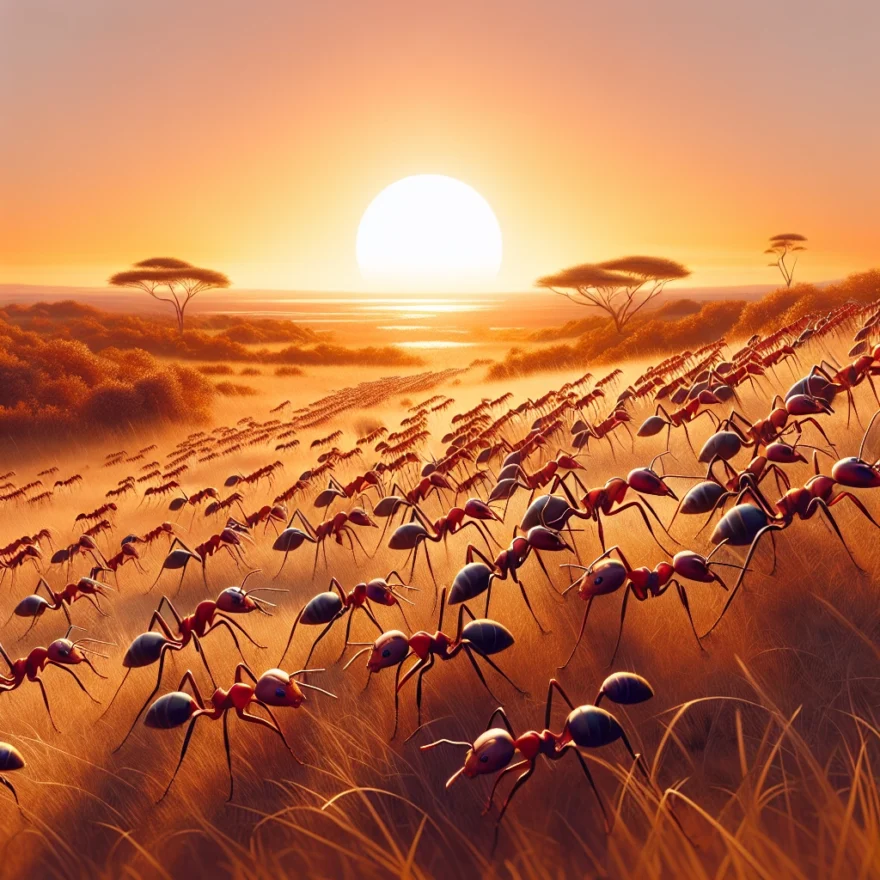
Introduction to African Red Ants
Often referred to as the “Red Warriors,” African red ants are a unique species of ants known for their striking red color and fascinating social behaviors. These ants, scientifically known as Dorylus species, are a part of the larger group of army ants, a name they’ve earned due to their aggressive foraging behavior and large colony sizes. Despite their small size, these insects are formidable predators, exhibiting a high level of organization and efficiency in their hunting activities.
African red ants are not just captivating for their vibrant hue, but also for their complex social structure and intriguing life cycle. They are eusocial insects, meaning they live in highly organized colonies where labor is divided among different types of ants, each with a specific role to play. This social structure, along with their adaptability and resilience, has allowed them to thrive in a variety of environments across the African continent.
While they may be small, African red ants play a significant role in their ecosystems. They are not only predators, but also scavengers and decomposers, helping to break down organic matter and recycle nutrients back into the soil. However, their interactions with humans can sometimes be problematic, leading to a complex relationship that is both fascinating and challenging to understand.
Whether you’re a seasoned entomologist or just a curious reader, there’s much to discover about these fascinating insects. From their hunting techniques to their life cycle, from their interactions with humans to their conservation status, we’ll delve into the world of African red ants and uncover the secrets of these red warriors.
Table of contents
Habitat and Distribution
Native to the vast and diverse continent of Africa, the African red ants, also known as the Red Warriors, have adapted to a wide range of habitats. These ants are incredibly versatile and can be found in various environments from the arid deserts of the Sahara to the lush rainforests of the Congo Basin, and from the savannas of East Africa to the highlands of South Africa.
While they are known to thrive in warmer climates, African red ants are not exclusive to these regions. Some species have been observed in more temperate zones, demonstrating their remarkable adaptability. They construct their nests in a variety of locations, including under rocks, inside logs, or in the soil. These nests can range from simple burrows to complex, multi-chambered structures, depending on the species and the specific environmental conditions.
Despite their wide distribution, African red ants are not evenly spread across the continent. Their population densities can vary significantly from one region to another, influenced by factors such as food availability, climate, and the presence of predators or competitors. For instance, they are typically more abundant in areas with a rich supply of food resources and a favorable climate, while their numbers may be limited in regions with harsh environmental conditions or strong competition from other ant species.
In recent years, there have been reports of African red ants expanding their range beyond the African continent, likely due to human activities such as trade and travel. These ants are known to be highly invasive and can establish new colonies in foreign environments, often at the expense of local ant species. As a result, they have become a concern in certain parts of the world where they have been introduced.
Overall, the African red ants’ wide distribution and adaptability to different habitats highlight their resilience and survival skills, which are key traits of these remarkable insects.
Diet and Hunting Techniques
The African Red Ants, also known as the Red Warriors, have a unique and fascinating diet that plays a crucial role in their survival and success as a species. These ants are omnivorous, meaning they consume both plant matter and other small animals.
Plant matter forms a significant part of the African Red Ants’ diet. They are known to feed on fruits, seeds, leaves, and nectar from various plants found in their habitat. This includes a wide range of plant species, allowing them to adapt to different environments and food sources.
However, what sets the African Red Ants apart is their exceptional hunting techniques. They are highly skilled predators, capable of capturing and devouring a variety of small animals. Their hunting techniques are well-coordinated and involve both individual and group efforts.
One of the primary hunting techniques employed by the African Red Ants is known as “swarming.” When a potential prey item is detected, a large number of ants quickly gather and surround the target. This overwhelming force makes it nearly impossible for the prey to escape.
Once the prey is surrounded, the African Red Ants use their powerful jaws to immobilize and kill it. These ants have strong mandibles that can deliver a painful bite, capable of subduing even larger prey. The venom injected by the ants during the bite also aids in immobilizing the prey.
Another hunting technique utilized by the African Red Ants is known as “group hunting.” In this technique, a group of ants works together to capture larger prey. They coordinate their movements and attack simultaneously, overwhelming the prey with their sheer numbers.
The African Red Ants’ hunting techniques are not limited to land. They are also known to venture into water bodies to hunt for aquatic insects, small fish, and amphibians. These ants can swim and navigate through water, making them versatile hunters.
It is important to note that the African Red Ants do not rely solely on hunting for their food. They also scavenge for dead animals, including insects, small mammals, and reptiles. This scavenging behavior helps them make the most of available food resources and ensures their survival during times of scarcity.
The diet and hunting techniques of the African Red Ants are crucial for maintaining the balance of their ecosystem. By consuming both plant matter and small animals, they play a significant role in controlling populations of certain insect species and contribute to the overall health of their habitat.
Social Structure and Behavior
African Red Ants, also known as the Red Warriors, are fascinating creatures with a complex social structure and behavior. These ants live in large colonies, which can consist of thousands to millions of individuals. Within these colonies, each ant has a specific role and contributes to the overall functioning of the society.
The social structure of African Red Ants is hierarchical, with a queen at the top. The queen is the largest ant in the colony and is responsible for reproduction. She lays eggs, which hatch into worker ants that perform various tasks. The workers are all female and are responsible for foraging, building and maintaining the nest, caring for the young, and defending the colony.
One interesting aspect of African Red Ant behavior is their aggressive nature. These ants are highly territorial and will fiercely defend their colony from intruders. They use their powerful jaws and stingers to attack and subdue their enemies. When threatened, they release pheromones to alert other colony members, who quickly join the defense.
African Red Ants also exhibit a fascinating behavior known as “raiding.” They form large raiding parties and go on organized hunts for food. These raids can be quite spectacular, with thousands of ants moving in a coordinated manner to overwhelm their prey. They are known to attack other insects, small vertebrates, and even larger animals if provoked.
Communication plays a crucial role in the social behavior of African Red Ants. They use chemical signals, or pheromones, to communicate with each other. These pheromones help in marking trails, identifying nestmates, and coordinating group activities. By following these chemical trails, the ants can navigate their environment efficiently and communicate important information to their fellow colony members.
Another interesting behavior of African Red Ants is their ability to form temporary alliances with other ant species. These alliances are typically formed to defend common resources or to launch joint attacks on larger prey. These cooperative interactions between different ant species showcase the complexity and adaptability of social behavior in ants.
Overall, the social structure and behavior of African Red Ants are remarkable. Their hierarchical organization, aggressive defense mechanisms, coordinated hunting techniques, and communication strategies all contribute to their success as a species. Understanding these behaviors not only provides insights into the fascinating world of ants but also highlights the importance of social cooperation and adaptation in the animal kingdom.
Reproduction and Life Cycle
The African Red Ants have a fascinating reproductive and life cycle that contributes to their success as a species. Let’s explore the different stages of their life and how they reproduce.
The life cycle of African Red Ants begins with the mating process. The reproductive males, known as drones, and the queen ants participate in a unique mating ritual. The drones leave their colony in search of a queen from another colony. Once they find a suitable queen, they release pheromones to attract her.
After mating, the queen stores the sperm in a specialized organ called the spermatheca. This allows her to fertilize eggs throughout her lifetime without needing to mate again. The queen has the remarkable ability to control the fertilization of eggs, allowing her to produce both male and female offspring as needed.
Once the queen is ready to lay eggs, she selects a suitable location within the colony. African Red Ants build intricate underground nests, which provide protection and a controlled environment for the developing eggs. The queen lays a large number of eggs, which are small and oval-shaped.
The eggs hatch into larvae after a few weeks. The larvae are initially helpless and rely on the workers to feed and care for them. The workers regurgitate food for the larvae, which consists of a mixture of partially digested insects and nectar.
As the larvae grow, they go through several molting stages, shedding their exoskeletons to accommodate their increasing size. During this time, the workers continue to provide nourishment and protection to the developing larvae.
Once the larvae reach a certain stage of development, they pupate. Pupation is a transformative stage where the larvae undergo metamorphosis and develop into adult ants. Inside the pupa, the body undergoes significant changes, including the development of wings and reproductive organs.
After the pupal stage, the adult ants emerge from their cocoons. At this point, they are fully developed and ready to take on their roles within the colony. The newly emerged ants are pale in color and soft-bodied. They gradually darken and harden as they age.
The lifespan of African Red Ants varies depending on their role within the colony. The workers generally live for a few months, while the queen can live for several years. The drones, however, have a much shorter lifespan and die shortly after mating.
It’s important to note that the reproductive and life cycle of African Red Ants is crucial for the survival and expansion of their colonies. The ability of the queen to control the sex of her offspring ensures a balanced population within the colony, while the workers’ dedication to caring for the larvae and pupae ensures the growth and sustainability of the ant community.
African Red Ants and Humans
African Red Ants, also known as the Red Warriors, have a complex relationship with humans. Due to their aggressive nature and painful sting, interactions between these ants and humans can often be unpleasant. Let’s take a closer look at the various aspects of this relationship:
1. Agricultural Impact:
African Red Ants can pose a significant threat to agricultural activities. They are known to damage crops by feeding on seeds, fruits, and leaves. Their large colonies can quickly strip plants of their foliage, leading to reduced yields and economic losses for farmers.
2. Human Encounters:
While African Red Ants primarily inhabit natural environments, they can occasionally invade human settlements in search of food and resources. These encounters can result in painful stings, as the ants aggressively defend their territory. It is important for individuals living in areas with these ants to take precautions to avoid accidental encounters.
3. Medical Concerns:
The sting of an African Red Ant can cause a burning sensation and intense pain. Some individuals may also experience allergic reactions, characterized by swelling, redness, and itching. In rare cases, severe allergic reactions can occur, requiring immediate medical attention.
4. Traditional Uses:
Despite their aggressive nature, African Red Ants have been utilized in traditional medicine in some African cultures. The venom of these ants is believed to have medicinal properties and is used to treat conditions such as rheumatism and arthritis. However, it is important to note that the efficacy of these traditional remedies has not been scientifically proven.
5. Ecological Importance:
While the interactions between African Red Ants and humans can be challenging, it is crucial to recognize the ecological role these ants play. They are important predators, helping to control populations of other insects and contributing to the overall balance of the ecosystem.
In conclusion, the relationship between African Red Ants and humans is a complex one. While they can pose challenges in agricultural settings and cause discomfort through their stings, it is essential to understand their ecological importance. By promoting coexistence and implementing effective pest management strategies, it is possible to mitigate the negative impacts of these ants while appreciating their role in the natural world.
Conservation Status and Threats
African Red Ants, also known as Safari Ants or Driver Ants, play a crucial role in their ecosystems. However, they face various conservation challenges and threats that impact their populations. Understanding these issues is vital for their long-term survival.
One of the significant threats to African Red Ants is habitat loss. As human populations expand and encroach upon natural areas, the ants’ habitats are being destroyed or fragmented. Deforestation, urbanization, and agricultural activities all contribute to the loss of their natural habitats.
Another threat to African Red Ants is the use of pesticides and insecticides. These chemicals are often used in agricultural practices to control pests, but they can also harm non-target species like the ants. Pesticides can contaminate the ants’ food sources and disrupt their delicate ecological balance.
Climate change is also a concern for African Red Ants. As temperatures rise and weather patterns become more unpredictable, it can affect the ants’ foraging patterns and reproductive cycles. Changes in rainfall patterns can impact the availability of food and nesting sites, further endangering their populations.
Invasive species pose yet another threat to African Red Ants. When introduced species, such as other ants or predators, are introduced into their habitats, they can disrupt the ants’ natural behaviors and outcompete them for resources. This can lead to declines in their populations and even local extinctions.
Additionally, human-wildlife conflict can impact African Red Ant populations. In some areas, these ants are considered agricultural pests as they can damage crops or invade human settlements. As a result, they are often subjected to eradication efforts, which can have negative consequences for their overall populations.
Efforts are being made to conserve African Red Ants and mitigate these threats. Protecting their natural habitats through the establishment of protected areas and national parks is crucial. These areas provide safe havens for the ants to thrive and carry out their ecological roles.
Furthermore, promoting sustainable agricultural practices that reduce the use of harmful pesticides can help minimize the negative impact on African Red Ant populations. Integrated pest management techniques, which focus on natural pest control methods, can be employed to strike a balance between agricultural needs and conservation.
Public awareness and education are also essential for the conservation of African Red Ants. By raising awareness about the importance of these ants in their ecosystems and dispelling misconceptions about them, people can develop a greater appreciation for their role and contribute to their conservation.
In conclusion, African Red Ants face several conservation challenges and threats, including habitat loss, pesticide use, climate change, invasive species, and human-wildlife conflict. Efforts to protect their habitats, promote sustainable practices, and raise awareness are crucial for their long-term survival. By understanding and addressing these threats, we can help ensure the continued existence of these fascinating and important insects.
Fascinating Facts about African Red Ants
African Red Ants, also known as the Red Warriors, are a fascinating species of ants that inhabit various regions of Africa. These ants are known for their unique characteristics and behaviors, making them a subject of interest for researchers and nature enthusiasts alike. Here are some fascinating facts about African Red Ants:
- African Red Ants are highly aggressive and territorial. They defend their colonies fiercely and are known for their powerful and painful bites.
- These ants have a distinct reddish-brown coloration, which helps them blend in with their natural surroundings.
- African Red Ants are primarily found in savannahs, grasslands, and forests across Africa. They have adapted to various climates and can thrive in both dry and humid environments.
- One of the most remarkable features of African Red Ants is their impressive hunting techniques. They employ a strategy called “raiding,” where a large number of worker ants venture out in search of food and attack any potential prey they encounter.
- These ants have a well-organized social structure, with a queen at the center of the colony. The queen is responsible for laying eggs, while the worker ants handle tasks such as foraging, nest maintenance, and defense.
- African Red Ants communicate through the use of chemical signals called pheromones. These pheromones help them coordinate their activities and alert other members of the colony to potential threats.
- Reproduction in African Red Ants is fascinating. The queen produces offspring through a process called parthenogenesis, where the eggs develop without fertilization. This allows the colony to grow rapidly.
- The life cycle of African Red Ants consists of several stages, including egg, larva, pupa, and adult. The time it takes for an ant to develop from an egg to an adult varies depending on environmental conditions.
- While African Red Ants play a crucial role in their ecosystems by controlling the population of other insects, they can also be considered pests when they invade human settlements and agricultural areas.
- Efforts are being made to conserve African Red Ant populations and protect their natural habitats. However, factors such as habitat loss, climate change, and the use of pesticides pose significant threats to their survival.
These fascinating facts about African Red Ants provide a glimpse into the intriguing world of these remarkable creatures. Their unique behaviors, social structure, and adaptability make them a captivating subject of study and admiration.
Common Questions about African Red Ants
Common Questions about African Red Ants
1. Are African red ants dangerous to humans?
African red ants can be dangerous to humans if they feel threatened or if their nest is disturbed. They have a strong and painful sting, and when they attack, they do so in large numbers. Their venom can cause allergic reactions in some individuals, leading to severe pain, swelling, and even anaphylactic shock. It is best to avoid provoking these ants and to give them a wide berth if you encounter them in the wild.
2. How do African red ants defend themselves?
African red ants have a remarkable defense mechanism. When their nest is disturbed, they release pheromones that alert the entire colony. The worker ants then swarm out of the nest and attack the intruder, biting and stinging relentlessly. They can also spray formic acid, which adds an extra level of defense. This coordinated response is what makes them such formidable warriors.
3. Do African red ants have any predators?
Yes, African red ants do have predators. Some species of birds, such as hornbills and honeyguides, have developed a fascinating symbiotic relationship with these ants. They are immune to the ants’ venom and have learned to lead the ants to termite mounds or beehives. The birds then feed on the insects or honey that the ants flush out during their attack. Other predators include certain species of spiders, reptiles, and mammals.
4. Can African red ants cause damage to crops or property?
While African red ants primarily feed on insects, they can also cause damage to crops and property. Their sheer numbers and aggressive behavior make them capable of stripping plants of their leaves and damaging agricultural crops. They can also infest buildings and electrical equipment, leading to costly repairs. Efforts are often made to control their population and prevent them from causing significant damage.
5. Are African red ants invasive species?
No, African red ants are not considered invasive species. They are native to Africa and have been a part of the ecosystem for thousands of years. However, their ability to adapt and thrive in various environments has led to their unintentional introduction in some regions outside of Africa. In these cases, they can have a negative impact on local ecosystems by outcompeting native ant species and disrupting the balance of the ecosystem.
6. Can African red ants be kept as pets?
Keeping African red ants as pets is not recommended. Their aggressive nature and painful sting make them difficult to handle safely. Additionally, their large colony size and specific habitat requirements make it challenging to provide them with suitable living conditions in captivity. It is best to appreciate these fascinating creatures from a safe distance in their natural habitat.