Introduction
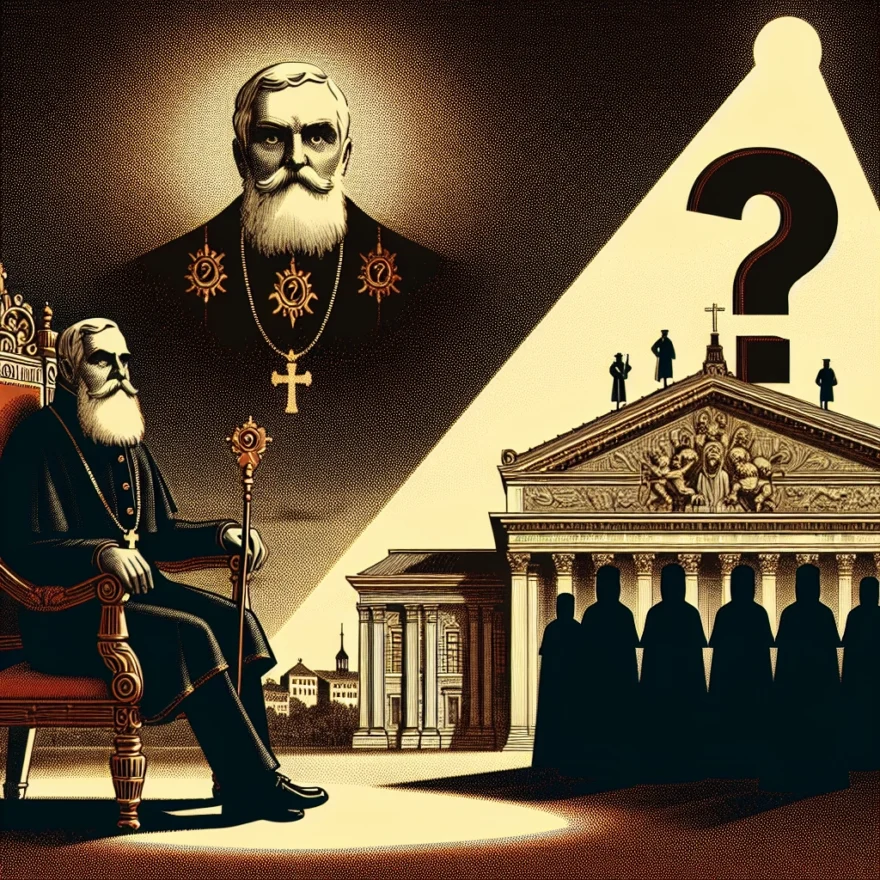
On the night of September 28, 1978, a seismic event occurred within the heart of the Vatican. The newly elected Pope, John Paul I, was found dead in his papal apartment, a mere 33 days after his election. The Vatican’s official statement declared the cause of death as a heart attack, but the circumstances surrounding his passing were shrouded in mystery and controversy. The Pope’s body was discovered under puzzling conditions, and the subsequent actions of the Vatican did little to quell the rising tide of suspicion.
From the onset, the Vatican’s handling of the situation was fraught with inconsistencies and secrecy. The lack of a formal autopsy, the rapid embalming of the Pope’s body, and the conflicting reports about the circumstances of his discovery, all served to fuel speculation about a possible conspiracy within the Church. The sudden death of a Pope who seemed intent on reforming the Church and its financial practices, coupled with the Vatican’s opaque and seemingly evasive handling of his death, led many to question whether Pope John Paul I’s death was natural or the result of a darker plot.
Over the years, these questions have given rise to numerous theories, ranging from claims of murder by poison to allegations of a high-level cover-up within the Vatican. The Church has consistently denied these allegations and maintained that Pope John Paul I died of natural causes. Yet, the mystery remains, casting a long shadow over the legacy of Pope John Paul I and the history of the Vatican itself.
This article delves into the enigmatic death of Pope John Paul I, exploring the facts, scrutinizing the theories, and evaluating the evidence. It seeks to shed light on one of the most perplexing mysteries in modern religious history, and to address the lingering question: Was the death of Pope John Paul I a case of natural causes, or was it a Vatican conspiracy?
Table of contents
Who was Pope John Paul I?
Born Albino Luciani on October 17, 1912, in Forno di Canale, Italy, the man who would become Pope John Paul I was the son of a bricklayer and a housemaid. He was ordained as a priest in 1935 and quickly rose through the ranks of the Catholic Church. By 1958, he was appointed Bishop of Vittorio Veneto by Pope John XXIII, and in 1969, Pope Paul VI promoted him to the rank of Cardinal.
Luciani was known for his humility, kindness, and commitment to social justice. He was a progressive force within the Church, advocating for the poor and marginalized. His warm personality and friendly demeanor earned him the nickname “The Smiling Pope.”
In August 1978, following the death of Pope Paul VI, Luciani was elected Pope. He took the name John Paul I, a symbolic gesture meant to honor his two immediate predecessors, John XXIII and Paul VI. His papacy, however, would be one of the shortest in history. Just 33 days after his election, Pope John Paul I was found dead in his bed in the early hours of September 29, 1978.
His unexpected death shocked the world and left many questioning the circumstances surrounding it. The Vatican declared that the Pope had died of a heart attack, but this explanation did not satisfy everyone. Rumors and theories began to circulate, suggesting that the Pope’s death was not due to natural causes but was the result of a conspiracy within the Vatican itself. These theories, fueled by inconsistencies in the Vatican’s account of the Pope’s death and the refusal to conduct an autopsy, continue to persist even today.
The Circumstances of His Death
On September 28, 1978, Pope John Paul I, born Albino Luciani, was elected as the 263rd Pope of the Catholic Church. His reign, however, was tragically short-lived, lasting only 33 days. The sudden and unexpected death of Pope John Paul I sparked widespread speculation and gave rise to numerous conspiracy theories.
The circumstances surrounding his death were shrouded in mystery. On the morning of September 29, 1978, Pope John Paul I was found dead in his bed by his personal secretary. The official cause of death, as reported by the Vatican, was a heart attack resulting from a pulmonary embolism. However, this explanation did little to quell the suspicions and doubts that arose in the aftermath of his passing.
Many people found it difficult to believe that a relatively healthy 65-year-old Pope could die so suddenly and unexpectedly. Some argued that the official cause of death was merely a cover-up for a more sinister truth.
One of the main points of contention was the lack of an autopsy performed on the body of Pope John Paul I. According to Vatican protocol at the time, autopsies were not routinely conducted on deceased Popes. This fueled speculation that the Vatican was hiding something.
Another aspect that raised eyebrows was the speed at which the Vatican handled the death and the subsequent election of Pope John Paul II. Some believed that the Vatican was eager to move on and avoid any further scrutiny or investigation into the circumstances surrounding Pope John Paul I’s death.
Furthermore, there were reports of discrepancies in the testimonies of those who were present at the time of his death. Some claimed that Pope John Paul I had been in good spirits and seemed healthy in the days leading up to his death, while others suggested that he had been displaying signs of fatigue and ill health.
All these factors contributed to the development of various conspiracy theories surrounding the death of Pope John Paul I. Some theories suggested that he was assassinated because he intended to expose corruption within the Vatican, while others proposed that he was killed to prevent him from implementing certain reforms within the Church.
Despite the persistent speculation and conspiracy theories, the Vatican has consistently maintained that Pope John Paul I’s death was the result of natural causes. They argue that his death was a tragic but entirely normal occurrence.
However, the doubts and unanswered questions surrounding his death continue to linger, fueling ongoing debates and discussions among historians, theologians, and conspiracy theorists.
The Conspiracy Theories
One of the most intriguing aspects surrounding the death of Pope John Paul I are the various conspiracy theories that have emerged over the years. These theories suggest that his death was not a result of natural causes, but rather a carefully orchestrated plot within the Vatican. While these theories remain speculative, they have captured the imaginations of many and continue to fuel speculation about what truly happened to the beloved Pope.
One popular conspiracy theory is that Pope John Paul I was assassinated because he was planning to expose corruption within the Vatican. It is believed that he had discovered financial irregularities and was preparing to take action against those responsible. This theory suggests that high-ranking officials within the Vatican conspired to silence him before he could reveal the truth.
Another theory suggests that Pope John Paul I’s death was part of a larger power struggle within the Church. Some believe that he was seen as a threat by certain factions within the Vatican who wanted to maintain their influence and control. According to this theory, his death was a calculated move to ensure that their power remained intact.
There are also theories that point to external forces at play. Some speculate that Pope John Paul I was killed as part of a larger conspiracy involving secret societies or even international governments. These theories often draw on historical events and alleged connections between the Vatican and powerful entities.
While these conspiracy theories are intriguing, it is important to note that there is no concrete evidence to support any of these claims. The Vatican has consistently maintained that Pope John Paul I died of natural causes, and multiple investigations have supported this conclusion. However, the persistence of these theories highlights the deep-seated skepticism and mistrust that exists towards powerful institutions like the Vatican.
Ultimately, the truth behind Pope John Paul I’s death may never be fully known. The Vatican’s response, the lack of substantial evidence, and the passage of time have all contributed to the enduring mystery surrounding his untimely demise. Whether it was a result of natural causes or a Vatican conspiracy, the death of Pope John Paul I continues to captivate the minds of those who seek answers.
The Vatican’s Response
In the wake of Pope John Paul I’s untimely death, the Vatican was faced with the daunting task of addressing the growing conspiracy theories surrounding the circumstances of his passing. The Vatican’s response to these allegations played a crucial role in shaping public perception and understanding of the events surrounding the death of the beloved pontiff.
The Vatican initially responded to the conspiracy theories by asserting that Pope John Paul I’s death was due to natural causes, specifically a heart attack. They emphasized that the pope had a history of heart problems and cited his demanding schedule and the stress associated with his new role as factors contributing to his deteriorating health.
To further quell suspicions, the Vatican conducted a thorough investigation into the events leading up to the pope’s death. They enlisted the help of medical experts and reviewed the available evidence, including witness testimonies and the results of the autopsy. The findings of the investigation supported the initial claims of natural causes, reaffirming that Pope John Paul I’s death was a tragic result of his pre-existing health conditions.
In an effort to address the specific conspiracy theories surrounding foul play within the Vatican, the Holy See released statements denying any involvement in the pope’s death. They emphasized the lack of motive and the absence of evidence pointing to a conspiracy. The Vatican maintained that the death of Pope John Paul I was a tragic event, but not one orchestrated by any sinister forces within the Church.
The Vatican’s response was met with mixed reactions. While some accepted the explanation and considered the matter resolved, others remained skeptical and continued to question the official narrative. The persistence of conspiracy theories led to ongoing debates and further investigations by independent researchers and journalists.
It is important to note that the Vatican’s response, while influential, does not definitively answer all the questions surrounding Pope John Paul I’s death. The conspiracy theories and doubts persist to this day, and the Vatican’s stance has not been able to completely dispel the suspicions surrounding the circumstances of his passing.
The Evidence
When examining the suspicious death of Pope John Paul I, it is essential to consider the available evidence surrounding the case. While some argue that his death was a result of natural causes, others believe that there is enough evidence to suggest a Vatican conspiracy. Let’s delve into the evidence:
The Autopsy Report
One of the primary pieces of evidence in this case is the official autopsy report. The report concluded that Pope John Paul I died of a heart attack caused by a pulmonary embolism. However, some conspiracy theorists question the validity of the report, suggesting that it may have been manipulated to conceal the true cause of death.
The Lack of Investigation
Another aspect that raises suspicion is the lack of a thorough investigation into the circumstances surrounding the Pope’s death. Critics argue that the Vatican did not conduct a proper inquiry, which fuels the conspiracy theories. They believe that a more comprehensive investigation could have provided clearer answers.
Inconsistencies in Witness Testimonies
There are inconsistencies in the testimonies of those who were present at the time of Pope John Paul I’s death. Some witnesses claim that they found the Pope’s body in one position, while others recall a different position. These inconsistencies have led some to question whether there was foul play involved.
The Missing Documents
One of the most intriguing pieces of evidence is the alleged disappearance of certain documents from the Pope’s desk. It is believed that these documents contained sensitive information about the Vatican’s financial affairs. The missing documents have fueled speculation that Pope John Paul I may have been murdered to prevent the exposure of corruption within the Church.
The Timing of His Death
The timing of Pope John Paul I’s death is also seen by some as suspicious. He passed away just 33 days after assuming the papacy, leading to speculation that he may have been eliminated because he was planning significant reforms within the Vatican.
The Vatican’s Secrecy
Critics argue that the Vatican’s lack of transparency and refusal to release certain documents related to the Pope’s death only adds to the suspicion. They believe that the secrecy surrounding the case indicates a cover-up and further supports the conspiracy theories.
While the evidence presented here raises questions about the official explanation of Pope John Paul I’s death, it is important to note that no definitive proof of a Vatican conspiracy has been uncovered. The case remains shrouded in mystery, leaving room for speculation and ongoing debate.
The Impact on the Church
After the suspicious death of Pope John Paul I, the impact on the Church was significant. The sudden loss of a pope, especially under mysterious circumstances, created a sense of unease and uncertainty among the faithful.
One of the immediate impacts was the need to elect a new pope. Just over a month after the death of Pope John Paul I, Cardinal Karol Wojtyła was elected as the new pontiff, taking the name Pope John Paul II. This transition brought a sense of stability back to the Church, but the shadow of suspicion still lingered.
The conspiracy theories surrounding Pope John Paul I’s death cast doubt on the transparency and integrity of the Vatican. Many believers questioned the motives and actions of the Church hierarchy. This led to a loss of trust in the institution and a sense of disillusionment among some Catholics.
Additionally, the controversy surrounding the death of Pope John Paul I highlighted the need for reform within the Vatican. Calls for greater transparency, accountability, and openness in the Church grew louder. The incident served as a wake-up call for the Church to address issues of corruption and secrecy.
The impact on the Church also extended to its relationship with the wider world. The suspicious circumstances surrounding the death of a pope attracted international attention and scrutiny. The reputation of the Vatican was tarnished, and it had to work hard to regain the trust and respect of both Catholics and non-Catholics.
However, it is important to note that despite the controversy, the Church continued to function and carry out its mission. Pope John Paul II, who succeeded Pope John Paul I, played a crucial role in restoring stability and guiding the Church through challenging times.
In conclusion, the suspicious death of Pope John Paul I had a profound impact on the Church. It raised questions about the transparency and integrity of the Vatican, led to calls for reform, and damaged the reputation of the institution. However, the Church persevered and continued to fulfill its mission, guided by subsequent popes.
Conclusion
After examining the various aspects surrounding the suspicious death of Pope John Paul I, it becomes clear that there are still many unanswered questions and conflicting theories. While the official cause of death was reported as a heart attack, the circumstances surrounding his sudden passing have fueled speculation of a Vatican conspiracy.
Pope John Paul I’s short-lived papacy and his unexpected death only 33 days after assuming the role have raised suspicions among many. The lack of a thorough investigation and the swift embalming of the body without an autopsy have only added to the skepticism surrounding his death.
The conspiracy theories surrounding Pope John Paul I’s death range from allegations of foul play by high-ranking officials within the Vatican to claims of involvement by powerful external forces. Some believe that the Pope may have been assassinated due to his intention to expose corruption within the Church.
Despite these theories, the Vatican has consistently denied any involvement in a cover-up or conspiracy surrounding the death of Pope John Paul I. They maintain that his death was a result of natural causes and that there is no evidence to suggest otherwise.
When examining the evidence, it is clear that there are discrepancies and unanswered questions. The lack of an autopsy, the hasty embalming process, and the inconsistencies in the accounts of those present at the time of his death all contribute to the suspicion surrounding the official narrative.
The impact of Pope John Paul I’s death on the Church cannot be underestimated. It created a sense of uncertainty and mistrust among the faithful, as well as further tarnishing the reputation of the Vatican. The controversy surrounding his death has also highlighted the need for transparency and accountability within the Church.
In conclusion, while the official cause of Pope John Paul I’s death may have been attributed to natural causes, the circumstances and conspiracy theories surrounding his passing cannot be easily dismissed. The lack of conclusive evidence and the inconsistencies in the official account leave room for doubt and speculation. The mysterious death of Pope John Paul I remains an unresolved and intriguing chapter in the history of the Vatican.
Common Questions and Answers
Q: Was Pope John Paul I’s death a natural cause or a result of a Vatican conspiracy?
A: The exact cause of Pope John Paul I’s death is still a subject of debate and speculation. While the official cause of death was reported as a heart attack, many conspiracy theories suggest foul play by the Vatican.
Q: What are some of the conspiracy theories surrounding Pope John Paul I’s death?
A: Some conspiracy theories suggest that Pope John Paul I was murdered because he was planning to expose corruption within the Vatican. Others claim that he was killed for his progressive views and attempts to reform the Church.
Q: What was the Vatican’s response to the conspiracy theories?
A: The Vatican has consistently denied any involvement in Pope John Paul I’s death and has maintained that he died of natural causes. They argue that the conspiracy theories are baseless and lack credible evidence.
Q: What evidence supports the conspiracy theories?
A: Supporters of the conspiracy theories point to various inconsistencies and irregularities surrounding the circumstances of Pope John Paul I’s death. These include the alleged lack of an autopsy, the hasty embalming of his body, and the sudden removal of documents from his room.
Q: How did Pope John Paul I’s death impact the Church?
A: Pope John Paul I’s short papacy and mysterious death left a significant impact on the Catholic Church. It heightened concerns about corruption within the Vatican and the need for transparency and reform. It also led to increased scrutiny of future papal successions.
Q: What is the conclusion regarding Pope John Paul I’s death?
A: The true cause of Pope John Paul I’s death may never be known with absolute certainty. While some believe it was a natural occurrence, others remain convinced that there was a Vatican conspiracy involved. The lack of concrete evidence makes it difficult to reach a definitive conclusion.
Q: Are there ongoing investigations into Pope John Paul I’s death?
A: As of now, there are no official ongoing investigations into Pope John Paul I’s death. However, the controversy surrounding his death continues to intrigue researchers, authors, and conspiracy theorists, leading to ongoing discussions and speculations.
Q: Has the Catholic Church made any reforms or changes as a result of Pope John Paul I’s death?
A: While Pope John Paul I’s death did not directly lead to immediate reforms or changes, it did contribute to a broader awareness of the need for transparency and accountability within the Catholic Church. Subsequent popes have made efforts to address these concerns and implement reforms.