Introduction
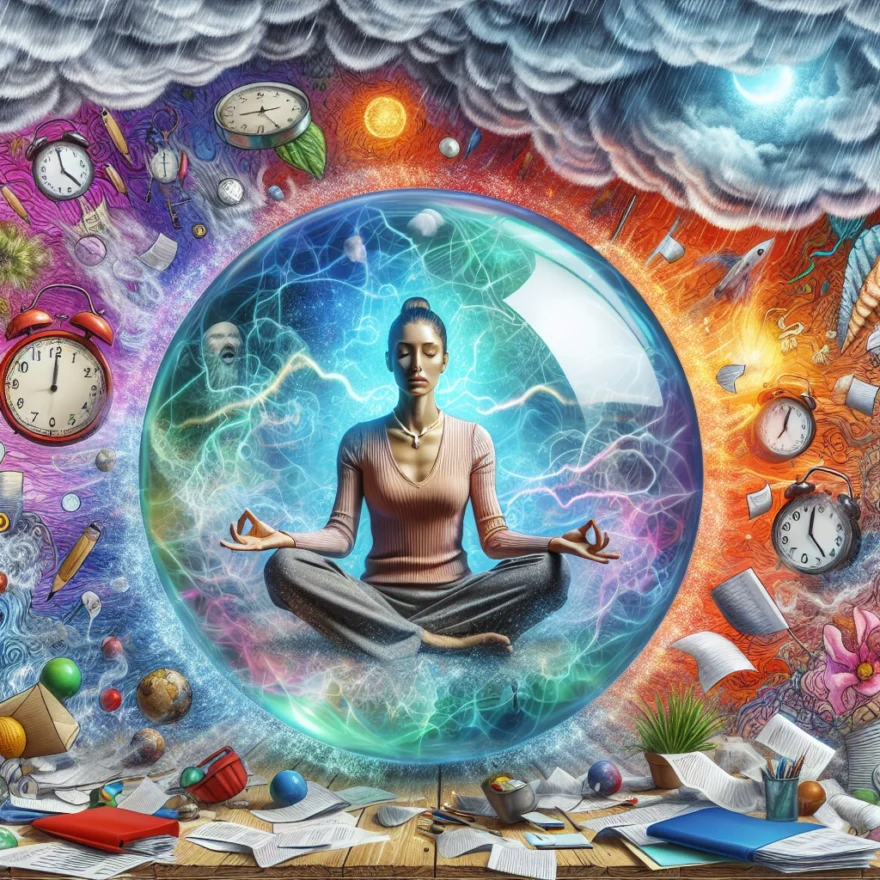
Living in an age of constant stimulation and stress, anxiety has become a common companion for many. Although conventional treatments like medication and psychotherapy are widely used and effective, they may not be for everyone. Some people may not respond well to these treatments, while others may simply prefer a more holistic approach to managing their anxiety. This is where unconventional approaches come into play. These methods, often rooted in ancient traditions and practices, offer an alternative way of managing anxiety that focuses on the person as a whole, rather than just the symptoms of anxiety.
Unconventional approaches to managing anxiety can vary widely, from mindfulness and meditation to physical activity and art therapy. Each approach offers its own unique set of benefits and can be tailored to suit individual needs and preferences. They can be used on their own or as a complement to conventional treatments, offering a more comprehensive approach to managing anxiety.
It’s important to note that while these unconventional approaches can be incredibly beneficial, they should not replace professional medical advice. Always consult with a healthcare provider before starting any new treatment plan. In this article, we will delve into these unconventional methods, exploring their benefits and how they can be incorporated into your daily routine to help manage anxiety.
Table of contents
- Introduction
- Understanding Anxiety
- Mindfulness and Meditation
- Physical Activity and Anxiety
- Art Therapy for Anxiety
- Music and Anxiety
- Aromatherapy and Anxiety
- Animal-Assisted Therapy
- Yoga and Anxiety
- Nature Therapy
- Nutrition and Anxiety
- Acupuncture for Anxiety
- Common Questions and Answers
- Conclusion
Understanding Anxiety
Anxiety, a common emotion characterized by feelings of tension, worried thoughts, and physical changes like increased blood pressure, is a normal reaction to stress. It is a part of our body’s natural response to danger, an automatic alarm that goes off when we feel threatened, under pressure, or are facing a challenging situation. It’s not just about feeling stressed or worried, but when these feelings don’t go away, it can lead to anxiety disorders. Anxiety disorders are the most common form of emotional disorder and can affect anyone at any age.
While conventional treatment methods such as medication and psychotherapy are effective for many people, they may not be suitable or desirable for everyone. Some people may not respond to conventional treatments, and some may prefer to manage their anxiety in a more natural way. The good news is that there are many alternative and unconventional approaches available that can help manage anxiety effectively.
These unconventional approaches often involve lifestyle changes and self-care strategies. They can be used alone or in combination with conventional treatments. These methods can include practices like mindfulness and meditation, physical activity, art therapy, music, aromatherapy, animal-assisted therapy, yoga, nature therapy, nutrition, and acupuncture.
It’s important to note that while these methods can be very effective, they’re not a quick fix. Managing anxiety takes time and practice. It’s also essential to consult with a healthcare provider before starting any new treatment method, especially if you’re currently taking medication for anxiety.
Mindfulness and Meditation
Anxiety can be a debilitating condition that affects many aspects of a person’s life. While conventional approaches such as therapy and medication are effective for managing anxiety, there are also unconventional approaches that can be beneficial in reducing symptoms and promoting overall well-being. One such approach is mindfulness and meditation.
Mindfulness is the practice of being fully present in the moment, observing and accepting one’s thoughts and feelings without judgment. It involves paying attention to the present moment and cultivating a non-reactive awareness of one’s thoughts and emotions. Meditation, on the other hand, is a technique used to train the mind and achieve a state of mental clarity and emotional calm.
When it comes to managing anxiety, mindfulness and meditation can be powerful tools. By practicing mindfulness, individuals can become more aware of their anxious thoughts and learn to observe them without becoming overwhelmed. This increased awareness can help break the cycle of anxious thinking and allow individuals to respond to their anxiety in a more calm and rational manner.
Meditation, on the other hand, can help individuals relax their bodies and minds, reducing the physical symptoms of anxiety such as rapid heartbeat and shallow breathing. By focusing on the breath or a specific object of meditation, individuals can redirect their attention away from anxious thoughts and into the present moment.
In addition to reducing anxiety symptoms, mindfulness and meditation have also been shown to improve overall well-being. Research has found that regular mindfulness practice can lead to decreased stress levels, improved sleep, and increased feelings of happiness and contentment. It can also enhance self-awareness and promote a greater sense of acceptance and compassion towards oneself and others.
To incorporate mindfulness and meditation into your daily routine, you can start by setting aside a few minutes each day to practice. Find a quiet and comfortable space where you won’t be interrupted. Close your eyes and take a few deep breaths, allowing yourself to relax and let go of any tension in your body.
Begin by focusing on your breath, noticing the sensation of the breath as it enters and leaves your body. If your mind starts to wander, gently bring your attention back to your breath without judgment. As you become more comfortable with this practice, you can gradually increase the duration of your meditation sessions.
There are also many resources available to help you incorporate mindfulness and meditation into your life. You can find guided meditation apps or websites that offer audio recordings to help you get started. You may also consider joining a meditation group or taking a mindfulness-based stress reduction course, which can provide additional support and guidance.
While mindfulness and meditation can be effective in managing anxiety, it’s important to note that they are not a substitute for professional help. If you are experiencing severe anxiety or if your symptoms are interfering with your daily life, it’s important to seek help from a qualified mental health professional.
In conclusion, mindfulness and meditation are unconventional approaches that can be beneficial in managing anxiety. By practicing mindfulness, individuals can become more aware of their anxious thoughts and learn to observe them without becoming overwhelmed. Meditation, on the other hand, can help individuals relax their bodies and minds, reducing the physical symptoms of anxiety. Incorporating mindfulness and meditation into your daily routine can lead to decreased stress levels, improved well-being, and a greater sense of self-awareness and acceptance.
Physical Activity and Anxiety
Physical activity has long been recognized as a beneficial approach for managing anxiety. Engaging in regular exercise not only improves physical health but also has a positive impact on mental well-being. When we exercise, our body releases endorphins, which are natural chemicals that act as mood elevators and help reduce feelings of anxiety and stress.
There are various forms of physical activity that can be effective in managing anxiety. One popular approach is aerobic exercise, which includes activities such as running, swimming, cycling, and dancing. These activities increase heart rate and promote the release of endorphins, leading to a sense of calm and relaxation.
In addition to aerobic exercise, strength training can also be beneficial for anxiety management. Engaging in activities like weightlifting or using resistance bands helps to build muscle strength and improve overall physical fitness. This can boost self-confidence and provide a sense of accomplishment, which can be particularly helpful for individuals experiencing anxiety.
Another unconventional approach to managing anxiety is practicing yoga. Yoga combines physical postures, breathing exercises, and meditation to promote relaxation and reduce stress. The focus on deep breathing and mindfulness during yoga practice helps to calm the mind and alleviate anxiety symptoms.
For those who prefer a more adventurous approach, outdoor activities such as hiking, rock climbing, or kayaking can provide a dual benefit of physical exertion and exposure to nature. Spending time in nature has been shown to have a positive impact on mental health, reducing symptoms of anxiety and improving overall well-being.
It’s important to note that the level and intensity of physical activity should be tailored to individual preferences and capabilities. It’s always a good idea to consult with a healthcare professional before starting any new exercise regimen, especially if you have any pre-existing medical conditions.
Incorporating physical activity into your daily routine can have a significant impact on managing anxiety. Whether it’s going for a jog, attending a yoga class, or simply taking a walk in nature, finding an activity that you enjoy and that gets your body moving can be a powerful tool in reducing anxiety and improving overall mental health.
Art Therapy for Anxiety
Anxiety can be a challenging condition to manage, and while conventional approaches such as therapy and medication can be effective, there are also unconventional methods that can provide relief. One such approach is art therapy, which has gained recognition for its ability to help individuals manage their anxiety in a creative and expressive way.
Art therapy involves using various art forms, such as painting, drawing, and sculpting, as a means of self-expression and exploration. It allows individuals to tap into their emotions and thoughts, providing an outlet for them to release their anxiety and gain a deeper understanding of their inner selves.
Engaging in art therapy can have several benefits for individuals with anxiety. Firstly, it serves as a form of distraction, redirecting the focus away from anxious thoughts and onto the creative process. This can help individuals relax and experience a sense of calmness.
Furthermore, art therapy promotes mindfulness, as it encourages individuals to be fully present in the moment and engage with their creative process. This mindfulness can help individuals gain a sense of control over their anxiety and reduce feelings of overwhelm.
Art therapy also allows individuals to externalize their anxiety, giving it a tangible form outside of themselves. This can be particularly helpful for those who struggle to put their feelings into words or find it difficult to express their emotions verbally. By visually representing their anxiety through art, individuals can gain a new perspective and a sense of distance from their anxious thoughts.
Additionally, art therapy can foster self-reflection and self-discovery. Through the process of creating art, individuals may uncover underlying emotions and triggers that contribute to their anxiety. This self-awareness can empower individuals to develop coping strategies and make positive changes in their lives.
It’s important to note that art therapy does not require any artistic skill or talent. The focus is not on creating a masterpiece but rather on the process of self-expression. Individuals are encouraged to let go of judgment and perfectionism and instead embrace the freedom and creativity that art therapy offers.
Art therapy can be practiced individually or in a group setting, under the guidance of a trained art therapist. In a group setting, individuals have the opportunity to connect with others who may be experiencing similar challenges, fostering a sense of support and community.
While art therapy should not replace conventional treatment methods, it can be a valuable complementary approach for managing anxiety. It offers a unique and creative way for individuals to explore their emotions, reduce stress, and gain a greater sense of self-awareness and control over their anxiety.
Music and Anxiety
Music has long been recognized as a powerful tool for relaxation and stress reduction. It has the ability to evoke emotions, calm the mind, and provide a sense of comfort. When it comes to managing anxiety, incorporating music into your daily routine can be an effective and unconventional approach.
Listening to calming music can help shift your focus away from anxious thoughts and promote a state of relaxation. It can also slow down your heart rate and breathing, reducing the physical symptoms of anxiety.
There are various genres of music that can be beneficial for anxiety management. Classical music, in particular, is known for its soothing and calming effects. The slow tempo and melodic patterns of classical compositions can help regulate breathing and promote a sense of tranquility.
Another genre that can be helpful is instrumental music, such as ambient or nature sounds. These types of music often lack lyrics, allowing you to fully immerse yourself in the melody and rhythm without any distractions. Nature sounds, like ocean waves or birds chirping, can create a peaceful atmosphere and help you feel more connected to the present moment.
Creating your own playlist of calming songs can be a great way to have a personalized collection of music that resonates with you. Experiment with different genres and artists to find what works best for you. Some individuals find that listening to music with a slow tempo and soft melodies is most effective, while others prefer more upbeat tunes that promote a positive mood.
In addition to listening to music, playing a musical instrument can also be a beneficial activity for managing anxiety. Learning to play an instrument requires focus and concentration, which can help distract your mind from anxious thoughts. It can also serve as a form of self-expression and provide a sense of accomplishment.
It’s important to note that while music can be a helpful tool in managing anxiety, it may not be a standalone solution. It is always recommended to seek professional help if you are experiencing severe or chronic anxiety symptoms.
Remember, everyone’s experience with anxiety is unique, and what works for one person may not work for another. It’s essential to explore different approaches and find what resonates with you personally. Incorporating music into your anxiety management routine can be a powerful and enjoyable way to promote relaxation and well-being.
Aromatherapy and Anxiety
Aromatherapy is an unconventional approach to managing anxiety that involves the use of essential oils derived from plants. These oils are extracted from various parts of plants, such as flowers, leaves, and roots, and are known for their therapeutic properties.
Essential oils can be used in different ways to alleviate anxiety symptoms. One common method is through inhalation, where the aroma of the oil is inhaled, stimulating the olfactory system and triggering a response in the brain. This can help promote relaxation, reduce stress, and calm the mind.
Another way to use essential oils for anxiety is through topical application. When diluted with a carrier oil, such as coconut or jojoba oil, essential oils can be applied to the skin through massage or as a part of a bath. The oils are absorbed into the bloodstream, allowing their calming effects to be experienced throughout the body.
Some essential oils that are commonly used for anxiety include:
- Lavender: Known for its calming properties, lavender oil can help reduce anxiety and promote relaxation.
- Chamomile: Chamomile oil is often used to alleviate stress and anxiety, as it has a soothing and sedative effect.
- Bergamot: This citrusy oil is known for its uplifting and mood-enhancing properties, making it beneficial for anxiety management.
- Ylang Ylang: Ylang Ylang oil has a sweet floral scent and is believed to help reduce anxiety and promote feelings of calmness.
- Frankincense: With its woody and earthy aroma, frankincense oil is often used to promote relaxation and reduce stress.
It’s important to note that while aromatherapy can be a helpful tool in managing anxiety, it should not replace professional treatment. It can be used as a complementary approach alongside other conventional therapies, such as medication or counseling.
When using essential oils for anxiety, it’s crucial to choose high-quality oils from reputable sources. Diluting the oils properly and following safety guidelines is also essential to prevent adverse reactions or skin sensitivities.
It’s recommended to consult with a qualified aromatherapist or healthcare professional who can guide you in selecting the right essential oils and provide proper usage instructions based on your individual needs and preferences.
Aromatherapy is just one of many unconventional approaches to managing anxiety. Exploring different methods and finding what works best for you can be a valuable part of your anxiety management plan.
Animal-Assisted Therapy
Animals have long been known to provide comfort and companionship to humans, and it is no surprise that they can also play a role in managing anxiety. Animal-assisted therapy (AAT) is a unique and unconventional approach that involves interactions with trained animals to improve emotional well-being.
Unlike traditional therapy methods, AAT incorporates the presence of animals into the treatment process. This can include activities such as petting, walking, or simply spending time with animals in a controlled environment. The bond formed with animals can help individuals with anxiety feel a sense of calm and relaxation.
Research has shown that animal-assisted therapy can have numerous benefits for individuals struggling with anxiety. Here are a few ways in which AAT can be beneficial:
1. Reducing stress: Interacting with animals has been found to lower cortisol levels, a hormone associated with stress. The presence of animals can create a soothing environment, promoting relaxation and reducing anxiety.
2. Increasing social interaction: Animals can act as social catalysts, helping individuals with anxiety to engage in social interactions more comfortably. This can be particularly beneficial for those who find it challenging to connect with others.
3. Providing emotional support: Animals have a unique ability to sense and respond to human emotions. They can offer unconditional love and support, providing a sense of comfort and security to individuals with anxiety.
4. Improving mood: Spending time with animals has been shown to increase the production of endorphins, which are natural mood-boosting chemicals in the brain. This can help alleviate symptoms of anxiety and promote a more positive outlook.
5. Enhancing mindfulness: Interacting with animals can help individuals with anxiety to focus their attention on the present moment. This can promote mindfulness and help redirect anxious thoughts, providing a sense of calm and grounding.
It is important to note that animal-assisted therapy should be conducted under the guidance of a trained professional. The animals involved in therapy sessions are typically certified and well-trained to ensure the safety and well-being of both the individuals and the animals.
While animal-assisted therapy may not be suitable for everyone, it can be a valuable addition to conventional anxiety management approaches. If you are considering AAT, it is recommended to consult with a healthcare professional or therapist who specializes in this form of therapy.
Overall, animal-assisted therapy offers a unique and unconventional approach to managing anxiety. The presence of animals can provide comfort, support, and a sense of calm, helping individuals to better cope with their anxiety symptoms.
Yoga and Anxiety
Yoga, an ancient practice originating in India, has gained popularity worldwide for its numerous physical and mental health benefits. It combines physical postures, controlled breathing, and meditation to promote overall well-being. In recent years, yoga has been recognized as an effective unconventional approach to managing anxiety.
Anxiety can manifest in various ways, such as excessive worry, restlessness, irritability, and difficulty concentrating. Yoga offers a holistic approach to address these symptoms by calming the mind, relaxing the body, and promoting a sense of inner peace.
Yoga involves gentle stretching and movement, which helps release tension and stress stored in the body. This physical aspect of yoga can help reduce muscle tension, promote relaxation, and increase overall flexibility and strength.
Moreover, the focus on deep, controlled breathing during yoga practice can activate the body’s relaxation response, reducing the production of stress hormones and promoting a sense of calmness. The rhythmic breathing patterns in yoga help regulate the autonomic nervous system, which plays a crucial role in managing anxiety.
In addition to the physical and breathing exercises, yoga incorporates mindfulness and meditation techniques. These practices encourage individuals to stay present in the moment, observe their thoughts without judgment, and cultivate a sense of inner awareness. By practicing mindfulness and meditation, individuals with anxiety can learn to detach from anxious thoughts and develop a more positive and peaceful mindset.
Yoga classes often provide a supportive and non-judgmental environment, allowing individuals to connect with others who may be experiencing similar challenges. This sense of community can help reduce feelings of isolation and provide a space for individuals to share their experiences and coping strategies.
It is important to note that while yoga can be beneficial for managing anxiety, it is not a substitute for professional treatment. If you are experiencing severe anxiety symptoms, it is essential to seek guidance from a qualified healthcare professional.
Nature Therapy
When it comes to managing anxiety, many people turn to unconventional approaches that go beyond traditional therapy and medication. One such approach is nature therapy, which harnesses the healing power of the natural world to help reduce anxiety and promote overall well-being.
Nature therapy, also known as ecotherapy or green therapy, involves immersing oneself in nature and engaging in activities that foster a connection with the natural environment. This approach recognizes that spending time in nature can have a profound impact on our mental health.
So how does nature therapy help with anxiety? Research has shown that spending time in nature can lower stress levels, reduce symptoms of anxiety, and improve overall mood. Being in nature allows us to disconnect from the demands and pressures of everyday life, providing a sense of calm and tranquility.
One way to engage in nature therapy is through forest bathing, a practice that originated in Japan. Forest bathing involves immersing oneself in the sights, sounds, and smells of the forest. This mindful and meditative experience can help reduce anxiety and promote a sense of well-being.
Another approach to nature therapy is gardening. Working with plants and being in a garden setting can have a therapeutic effect on anxiety. Gardening allows for a sense of accomplishment, as well as a connection with the natural world.
In addition to forest bathing and gardening, simply spending time outdoors can have a positive impact on anxiety levels. Whether it’s going for a hike, taking a walk in the park, or sitting by a lake, being in nature allows us to unplug from technology and the stresses of daily life.
It’s important to note that nature therapy is not a substitute for professional help, but rather a complementary approach that can enhance overall well-being. If you’re experiencing severe anxiety, it’s important to seek support from a qualified healthcare professional.
In conclusion, nature therapy is an unconventional approach to managing anxiety that harnesses the healing power of the natural world. Whether it’s through forest bathing, gardening, or simply spending time outdoors, connecting with nature can help reduce stress, alleviate anxiety symptoms, and promote a sense of calm and well-being.
Nutrition and Anxiety
When it comes to managing anxiety, many people overlook the role that nutrition plays in their mental well-being. What we eat can have a significant impact on our mood, energy levels, and overall mental health. Incorporating certain foods into your diet and making mindful choices can help alleviate anxiety symptoms and promote a sense of calm and balance.
One key aspect of nutrition and anxiety management is maintaining stable blood sugar levels. Fluctuations in blood sugar can lead to mood swings, irritability, and increased anxiety. To keep blood sugar levels steady, it is important to consume complex carbohydrates such as whole grains, legumes, and vegetables. These foods release glucose slowly into the bloodstream, providing a steady source of energy and preventing sudden spikes and crashes in blood sugar.
Additionally, incorporating foods rich in omega-3 fatty acids can be beneficial for anxiety management. Omega-3s are essential fats that play a crucial role in brain health. They have been found to reduce inflammation and promote the production of neurotransmitters that regulate mood, such as serotonin and dopamine. Good sources of omega-3s include fatty fish like salmon and sardines, chia seeds, flaxseeds, and walnuts.
Another important nutrient for anxiety management is magnesium. Magnesium is involved in over 300 biochemical reactions in the body, including those that regulate mood and reduce anxiety. Foods rich in magnesium include dark leafy greens, nuts and seeds, avocados, and bananas. Including these foods in your diet can help promote relaxation and reduce anxiety symptoms.
Furthermore, certain herbal teas and supplements have been found to have calming effects on the nervous system. Chamomile tea, for example, has been used for centuries as a natural remedy for anxiety and insomnia. Other herbs such as lavender, lemon balm, and passionflower have also shown promise in reducing anxiety symptoms. However, it is important to consult with a healthcare professional before starting any new herbal supplements to ensure safety and effectiveness.
In addition to incorporating anxiety-reducing foods, it is equally important to be mindful of the foods that may exacerbate anxiety symptoms. Stimulants such as caffeine and alcohol can increase feelings of anxiety and disrupt sleep patterns. It is advisable to limit or avoid these substances, especially if you are prone to anxiety.
Remember, nutrition is just one piece of the puzzle when it comes to managing anxiety. It is essential to adopt a holistic approach that includes other unconventional approaches such as mindfulness, physical activity, art therapy, and more. By incorporating these strategies into your daily routine, you can take proactive steps towards managing anxiety and promoting overall well-being.
Acupuncture for Anxiety
Acupuncture for Anxiety
Acupuncture is an ancient practice rooted in traditional Chinese medicine. It involves the insertion of thin needles into specific points on the body to stimulate energy flow and restore balance. While commonly used for pain relief, acupuncture has also shown promise in managing anxiety.
How does acupuncture work for anxiety?
According to traditional Chinese medicine, anxiety is often seen as an imbalance or blockage of energy within the body. Acupuncture aims to restore the flow of energy, known as qi, by targeting specific points along meridians or energy pathways.
Research suggests that acupuncture may help manage anxiety by:
1. Regulating neurotransmitters: Acupuncture has been found to influence the release of neurotransmitters such as serotonin, dopamine, and gamma-aminobutyric acid (GABA). These neurotransmitters play a crucial role in regulating mood and anxiety levels.
2. Reducing stress hormones: Acupuncture has been shown to reduce the levels of stress hormones, such as cortisol, in the body. High levels of cortisol are associated with increased anxiety and stress.
3. Promoting relaxation: Acupuncture sessions often induce a state of deep relaxation, which can help reduce anxiety symptoms. This relaxation response may be attributed to the release of endorphins, the body’s natural painkillers and mood enhancers.
What can you expect during an acupuncture session?
During an acupuncture session for anxiety, you can expect the following:
1. Consultation: The acupuncturist will first conduct a thorough consultation to understand your specific symptoms and medical history. This will help them determine the appropriate acupuncture points to target.
2. Insertion of needles: The acupuncturist will insert thin, sterile needles into specific points on your body. You may feel a slight prick or tingling sensation, but acupuncture is generally not painful.
3. Needle retention: The needles will be left in place for about 20-30 minutes while you lie comfortably. Some acupuncturists may gently stimulate the needles during the session.
4. Relaxation: Many people find acupuncture sessions to be deeply relaxing and may experience a sense of calm during and after the treatment.
Is acupuncture effective for anxiety?
While individual experiences may vary, several studies suggest that acupuncture can be an effective complementary therapy for managing anxiety. A review of multiple studies found that acupuncture significantly reduced anxiety symptoms compared to sham acupuncture or no treatment at all.
It’s important to note that acupuncture should not be used as a standalone treatment for severe anxiety disorders. It is best used in conjunction with other conventional approaches, such as therapy and medication, as part of a comprehensive treatment plan.
Are there any risks or side effects?
Acupuncture is generally considered safe when performed by a trained and licensed practitioner. However, some people may experience mild side effects such as temporary soreness, bruising, or bleeding at the insertion sites.
It’s crucial to choose a reputable acupuncturist and inform them about any existing medical conditions or medications you are taking. They will be able to tailor the treatment to your specific needs and ensure your safety.
In conclusion, acupuncture is an unconventional approach to managing anxiety that has shown promising results. By promoting relaxation, regulating neurotransmitters, and reducing stress hormones, acupuncture may help alleviate anxiety symptoms. However, it is important to consult with a healthcare professional before trying acupuncture and to use it as part of a comprehensive treatment plan for anxiety.
Common Questions and Answers
Q: Are unconventional approaches effective in managing anxiety?
A: Yes, unconventional approaches can be effective in managing anxiety. While traditional treatments like therapy and medication are commonly used, these unconventional approaches offer alternative methods that can complement or be used as standalone strategies for anxiety management.
Q: How does mindfulness and meditation help with anxiety?
A: Mindfulness and meditation practices involve focusing your attention on the present moment, which can help calm the mind and reduce anxiety. By practicing mindfulness, you can learn to observe your thoughts and emotions without judgment, allowing you to develop a greater sense of control over your anxiety.
Q: Can physical activity really help with anxiety?
A: Yes, physical activity has been shown to be beneficial for anxiety management. Exercise releases endorphins, which are natural mood boosters. Engaging in regular physical activity can also help reduce muscle tension and promote better sleep, both of which can contribute to a decrease in anxiety symptoms.
Q: How does art therapy help in managing anxiety?
A: Art therapy provides a creative outlet for individuals to express their emotions and thoughts. Engaging in art therapy can help reduce anxiety by promoting self-expression, relaxation, and stress relief. Creating art can also serve as a distraction from anxious thoughts and provide a sense of accomplishment.
Q: Can music be used as a tool to manage anxiety?
A: Yes, music has a powerful impact on our emotions and can be used as a tool to manage anxiety. Listening to calming music or engaging in music therapy can help reduce anxiety levels, promote relaxation, and provide a sense of comfort and tranquility.
Q: How does aromatherapy help in reducing anxiety?
A: Aromatherapy involves the use of essential oils to promote relaxation and alleviate anxiety symptoms. Certain scents, such as lavender and chamomile, have been found to have calming effects on the mind and body. Inhaling these scents or using them in a diffuser can help reduce anxiety and induce a sense of calmness.
Q: How does animal-assisted therapy benefit individuals with anxiety?
A: Animal-assisted therapy involves interactions with animals to promote emotional well-being. Interacting with animals, such as therapy dogs or horses, can help reduce anxiety by providing comfort, companionship, and a sense of unconditional love. Animals have a calming effect and can help individuals feel more relaxed and at ease.
Q: Can yoga help manage anxiety?
A: Yes, yoga combines physical movement, breathing exercises, and mindfulness, making it an effective practice for managing anxiety. Yoga helps promote relaxation, reduce muscle tension, and increase body awareness. Regular practice of yoga can help individuals develop coping mechanisms to manage anxiety symptoms.
Q: How does nature therapy contribute to anxiety management?
A: Nature therapy, also known as ecotherapy or green therapy, involves spending time in nature to improve mental well-being. Being in natural environments has been shown to reduce stress and anxiety levels, promote relaxation, and improve overall mood. Activities like hiking, gardening, or simply spending time in green spaces can have a positive impact on anxiety management.
Q: Can nutrition play a role in managing anxiety?
A: Yes, maintaining a healthy diet can play a role in managing anxiety. Certain nutrients, such as omega-3 fatty acids, magnesium, and B vitamins, have been linked to reducing anxiety symptoms. Avoiding excessive caffeine and sugar intake can also help stabilize mood and reduce anxiety levels.
Q: How does acupuncture help in reducing anxiety?
A: Acupuncture is an ancient Chinese practice that involves the insertion of thin needles into specific points on the body. It is believed to help balance the flow of energy and promote overall well-being. Acupuncture has been found to have a calming effect on the nervous system and can help alleviate symptoms of anxiety.
Q: Are these unconventional approaches suitable for everyone?
A: While these unconventional approaches can be beneficial for many individuals, it’s important to note that everyone is unique. What works for one person may not work for another. It’s always advisable to consult with a healthcare professional or therapist to determine the most suitable approach for managing your anxiety.
Q: Can these unconventional approaches replace traditional treatments for anxiety?
A: Unconventional approaches can be used as complementary strategies alongside traditional treatments for anxiety. However, it’s important to consult with a healthcare professional before making any changes to your treatment plan. They can provide guidance on how to incorporate these approaches into your overall anxiety management plan.
Conclusion
In conclusion, managing anxiety can be a complex and personal journey. While conventional approaches such as therapy and medication are widely used and effective, there are also unconventional approaches that can be explored to complement or enhance traditional treatment methods.
One such approach is mindfulness and meditation, which involves focusing on the present moment and cultivating a sense of calm and self-awareness. This practice can help individuals better manage their anxiety by reducing stress and promoting relaxation.
Physical activity, such as regular exercise, has been shown to have numerous benefits for both physical and mental health. Engaging in physical activity can help reduce anxiety symptoms by releasing endorphins, improving mood, and promoting overall well-being.
Art therapy offers a creative outlet for individuals to express their emotions and thoughts visually. Engaging in art therapy can provide a sense of relaxation and promote self-expression, which can be beneficial for managing anxiety.
Music has a powerful impact on our emotions and can be used as a tool for relaxation and stress reduction. Listening to calming music or engaging in music therapy can help individuals find relief from anxiety symptoms and promote a sense of tranquility.
Aromatherapy involves the use of essential oils to promote relaxation and alleviate anxiety. Certain scents, such as lavender or chamomile, have been found to have calming effects on the mind and body, making aromatherapy a potential complementary approach to managing anxiety.
Animal-assisted therapy involves interacting with animals, such as dogs or horses, to improve emotional well-being. The presence of animals can help reduce anxiety and provide comfort and companionship to individuals struggling with anxiety disorders.
Yoga combines physical postures, breathing exercises, and meditation to promote relaxation and reduce stress. Regular practice of yoga can help individuals manage anxiety by increasing body awareness, improving breathing patterns, and promoting a sense of inner calm.
Nature therapy, also known as ecotherapy or green therapy, involves spending time in nature to improve mental health and well-being. Being in natural environments can have a soothing effect on the mind and help individuals find solace from anxiety symptoms.
Proper nutrition plays a crucial role in overall health, including mental well-being. Consuming a balanced diet rich in nutrients can support brain function and help regulate mood, potentially reducing anxiety symptoms.
Acupuncture, a traditional Chinese medicine practice, involves the insertion of thin needles into specific points on the body. This technique is believed to help rebalance the body’s energy flow and may provide relief from anxiety symptoms when used as a complementary approach.
It is important to note that while these unconventional approaches may be helpful for managing anxiety, they should not replace professional medical advice or treatment. It is always recommended to consult with a healthcare professional before incorporating any new treatment methods.
In summary, exploring unconventional approaches to managing anxiety can provide individuals with additional tools and strategies to cope with their symptoms. By incorporating practices such as mindfulness, physical activity, art therapy, music, aromatherapy, animal-assisted therapy, yoga, nature therapy, nutrition, and acupuncture, individuals may find relief and improve their overall well-being.