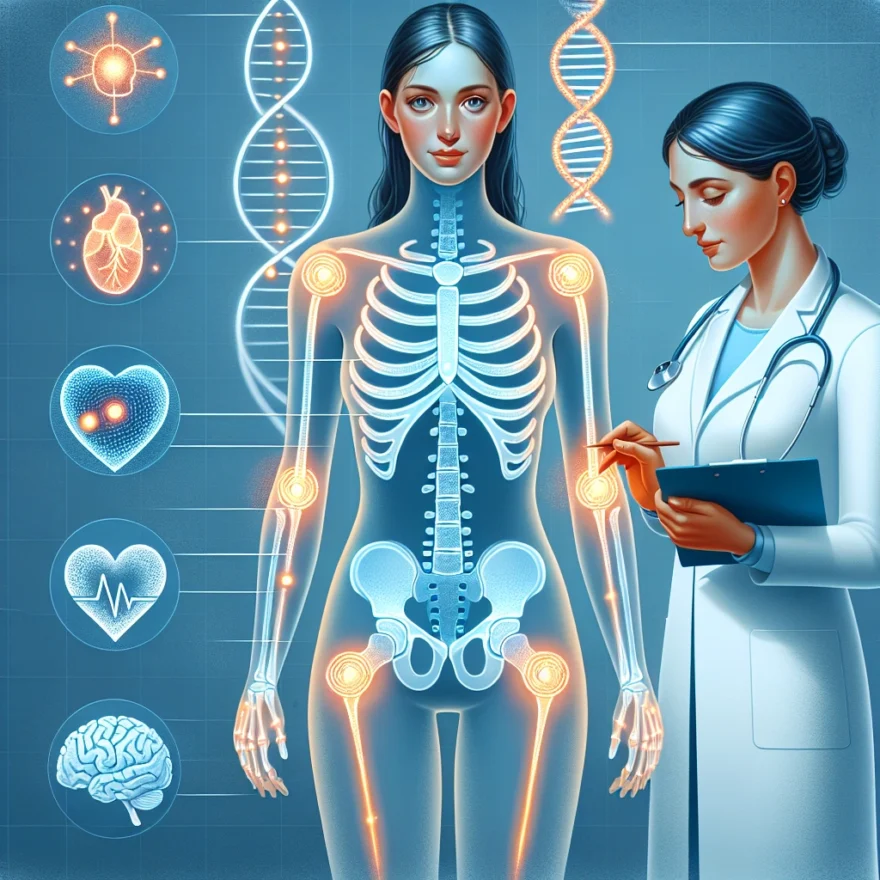
Introduction to Ehlers-Danlos Syndrome
Ehlers-Danlos Syndrome (EDS) is a group of inherited disorders that primarily affect your skin, joints, and blood vessels. Named after the two physicians who first identified it in the early 20th century, EDS is known for its hallmark symptoms: hypermobility, skin hyperextensibility, and tissue fragility. This means that those affected by EDS often have joints that stretch further than normal, skin that can be stretched more than usual, and tissue that breaks or bruises easily.
There are 13 recognized types of EDS, each with its own distinct set of symptoms and complications. Some forms are quite mild, while others can be life-threatening. Despite this variance, all types of EDS share a common cause – defects in the body’s connective tissue. Connective tissue provides support to many body parts such as the skin, muscles, and ligaments. The fragile skin and unstable joints found in EDS are due to faulty collagen, a protein that adds strength and elasticity to these tissues.
While it’s a relatively rare condition, it’s believed that EDS is underdiagnosed. This is due to a lack of awareness among both the public and healthcare professionals, as well as the wide range of symptoms that can sometimes be mistaken for other conditions. Understanding EDS – its causes, symptoms, and treatment options – is the first step towards improving the lives of those who live with this complex condition. This article aims to provide a comprehensive overview of Ehlers-Danlos Syndrome, offering valuable insights for patients, their families, and anyone interested in this intriguing area of medical science.
Table of contents
- Introduction to Ehlers-Danlos Syndrome
- The Genetics Behind Ehlers-Danlos Syndrome
- Recognizing the Symptoms of Ehlers-Danlos Syndrome
- Understanding the Causes of Ehlers-Danlos Syndrome
- Diagnosis of Ehlers-Danlos Syndrome
- Treatment Options for Ehlers-Danlos Syndrome
- Living with Ehlers-Danlos Syndrome
- Recent Research Developments in Ehlers-Danlos Syndrome
- Common Questions and Answers About Ehlers-Danlos Syndrome
- Conclusion: Understanding and Managing Ehlers-Danlos Syndrome
The Genetics Behind Ehlers-Danlos Syndrome
Ehlers-Danlos Syndrome (EDS) is a group of inherited disorders that primarily affect the body’s connective tissues, which provide support to the skin, bones, blood vessels, and other organs. The genetic basis of EDS is complex, with different types of the disorder being linked to mutations in a variety of genes.
Most forms of EDS are inherited in an autosomal dominant pattern, which means that an individual only needs to inherit one copy of the mutated gene from one parent to develop the disorder. However, some types of EDS are inherited in an autosomal recessive pattern, which means that an individual must inherit two copies of the mutated gene, one from each parent, to develop the disorder.
For instance, the Classical and Vascular types of EDS are usually caused by mutations in the COL5A1 or COL5A2 genes and the COL3A1 gene respectively. These genes provide instructions for making collagen, a major component of connective tissue. Mutations in these genes can disrupt the production or structure of collagen, leading to the signs and symptoms of EDS.
On the other hand, the Kyphoscoliotic type of EDS is usually caused by mutations in the PLOD1 gene. This gene provides instructions for making an enzyme that helps modify collagen after it is produced. Mutations in the PLOD1 gene disrupt this modification process, leading to the production of abnormal collagen and the symptoms of EDS.
It’s important to note that not all cases of EDS can be traced back to a known genetic mutation. In some cases, the genetic cause of the disorder is still unknown. This is an active area of research, as scientists continue to investigate the genetic basis of EDS to better understand the disorder and develop more effective treatments.
Recognizing the Symptoms of Ehlers-Danlos Syndrome
Ehlers-Danlos Syndrome (EDS) is a complex genetic disorder that affects the connective tissues in the body. It is important to recognize the symptoms of EDS in order to seek early diagnosis and appropriate treatment. While the symptoms can vary from person to person, there are some common signs to look out for:
- Joint hypermobility: One of the hallmark symptoms of EDS is excessive joint flexibility. Individuals with EDS may have joints that extend beyond the normal range of motion, making them more prone to dislocations and sprains.
- Skin abnormalities: EDS can affect the skin, causing it to be stretchy, fragile, and easily bruised. Some individuals may also develop abnormal scarring or have thin, translucent skin.
- Chronic pain: Many people with EDS experience chronic pain, which can be widespread or localized to specific joints or areas of the body. This pain is often described as a deep, aching sensation.
- Fatigue: Fatigue is a common symptom in EDS. Individuals may feel constantly tired, even after getting enough rest, due to the strain on their joints and connective tissues.
- Gastrointestinal issues: EDS can affect the digestive system, leading to problems such as acid reflux, irritable bowel syndrome (IBS), and constipation.
- Cardiovascular problems: Some forms of EDS can impact the cardiovascular system, causing issues like mitral valve prolapse, aortic root dilation, or abnormal heart rhythms.
- Frequent joint dislocations: Individuals with EDS may experience recurrent joint dislocations, particularly in the shoulders, knees, and hips.
- Easy bruising and slow wound healing: Due to the fragility of their skin, people with EDS may bruise easily and find that their wounds take longer to heal.
If you or someone you know is experiencing these symptoms, it is important to consult with a healthcare professional for a proper evaluation. Remember that the severity and combination of symptoms can vary widely among individuals with EDS, so a comprehensive assessment is crucial for an accurate diagnosis.
Understanding the Causes of Ehlers-Danlos Syndrome
Ehlers-Danlos Syndrome (EDS) is a group of genetic disorders that affect the connective tissues in the body. Connective tissues provide support and structure to various organs, including the skin, joints, blood vessels, and organs. Understanding the causes of Ehlers-Danlos Syndrome is crucial in order to better comprehend this complex condition.
EDS is primarily caused by genetic mutations that affect the production and structure of collagen, a key component of connective tissues. Collagen is responsible for providing strength and elasticity to the tissues, allowing them to withstand stress and maintain their shape.
There are several different types of EDS, each with its own specific genetic cause. The most common types include:
- Classical EDS: This type is caused by mutations in the COL5A1 or COL5A2 genes, which are responsible for the production of type V collagen.
- Hypermobile EDS: This type is believed to be caused by a combination of genetic factors and environmental influences. While the exact genetic cause is still unknown, it is thought to involve abnormalities in the production of collagen or other connective tissue proteins.
- Vascular EDS: This type is caused by mutations in the COL3A1 gene, which leads to the production of abnormal type III collagen. Vascular EDS is the most severe form of the condition and is associated with an increased risk of organ rupture and arterial dissection.
EDS can also be inherited in an autosomal dominant or autosomal recessive manner, depending on the specific type. Autosomal dominant inheritance means that an affected individual has a 50% chance of passing the condition on to each of their children. Autosomal recessive inheritance requires both parents to carry a copy of the mutated gene in order for their child to be affected.
In some cases, EDS can also occur sporadically, meaning that there is no family history of the condition. Sporadic cases may be caused by de novo mutations, which are genetic mutations that occur for the first time in an individual and are not inherited from either parent.
It is important to note that while genetic mutations play a significant role in the development of EDS, not all individuals with these mutations will necessarily develop symptoms. Other factors, such as environmental influences and individual variations, can also contribute to the variability in symptom presentation and severity.
Research into the causes of EDS is ongoing, with scientists working to identify additional genetic mutations and factors that may contribute to the development of the condition. This knowledge is crucial for improving diagnosis, treatment, and management strategies for individuals with EDS.
Diagnosis of Ehlers-Danlos Syndrome
Ehlers-Danlos Syndrome (EDS) is a complex condition that can be challenging to diagnose. Due to its wide range of symptoms and the overlap with other connective tissue disorders, a thorough evaluation is necessary to reach a definitive diagnosis. Here are some key aspects involved in the diagnosis of Ehlers-Danlos Syndrome:
Medical History: The first step in diagnosing EDS involves a detailed medical history. The healthcare provider will ask about your symptoms, their duration, and any family history of similar symptoms or connective tissue disorders. It is essential to provide accurate and comprehensive information to assist in the diagnostic process.
Physical Examination: A physical examination is crucial in identifying the characteristic signs and symptoms of EDS. The healthcare provider will assess your joints, skin, and other affected areas. They will look for hypermobility, skin elasticity, easy bruising, and other physical manifestations associated with EDS.
Beighton Score: The Beighton score is a widely used assessment tool to measure joint hypermobility. It involves a series of simple maneuvers to evaluate the flexibility of specific joints. A higher Beighton score indicates increased joint laxity, which is a common feature of EDS. However, it is important to note that a high Beighton score alone is not sufficient for an EDS diagnosis.
Genetic Testing: Genetic testing plays a crucial role in diagnosing certain types of EDS. Depending on the suspected subtype, a blood sample may be taken to analyze specific genes associated with EDS. Genetic testing can confirm the presence of a known genetic mutation, providing a definitive diagnosis. However, it is important to note that not all types of EDS have identified genetic markers.
Collagen Testing: In some cases, a skin biopsy may be performed to assess collagen production and structure. This procedure involves taking a small sample of skin tissue, which is then analyzed in a laboratory. Collagen testing can help identify abnormalities in collagen production, which is a hallmark of EDS.
Consultation with Specialists: Due to the complex nature of EDS, consultation with various specialists may be necessary to confirm the diagnosis. These specialists may include geneticists, rheumatologists, dermatologists, orthopedic surgeons, and other healthcare professionals with expertise in connective tissue disorders.
Differential Diagnosis: EDS shares symptoms with several other conditions, making the differential diagnosis process crucial. The healthcare provider will need to rule out other connective tissue disorders, such as Marfan syndrome, osteogenesis imperfecta, and hypermobility spectrum disorders, among others.
It is important to remember that the diagnostic process may vary depending on the individual and the suspected subtype of EDS. A comprehensive evaluation by a knowledgeable healthcare team is essential for an accurate diagnosis.
Treatment Options for Ehlers-Danlos Syndrome
Ehlers-Danlos Syndrome (EDS) is a complex condition that requires a comprehensive treatment approach. While there is no cure for EDS, there are various treatment options available to manage its symptoms and improve the quality of life for individuals with the condition.
The primary goals of treatment for Ehlers-Danlos Syndrome are to alleviate pain, prevent joint dislocations and injuries, manage complications, and improve overall function. The specific treatment plan may vary depending on the type and severity of EDS, as well as the individual’s symptoms and needs.
Here are some common treatment options for Ehlers-Danlos Syndrome:
1. Physical Therapy: Physical therapy plays a crucial role in managing EDS symptoms. A skilled physical therapist can develop a personalized exercise program to strengthen muscles, improve joint stability, and enhance flexibility. They may also provide guidance on proper body mechanics and techniques to prevent injuries.
2. Medications: Medications may be prescribed to manage pain, reduce inflammation, and control specific symptoms associated with EDS. Nonsteroidal anti-inflammatory drugs (NSAIDs) are commonly used to alleviate pain and inflammation. In some cases, muscle relaxants or low-dose antidepressants may be prescribed to help manage chronic pain.
3. Joint Protection and Support: The use of braces, splints, or orthotic devices can provide support and stability to vulnerable joints. These assistive devices can help prevent joint dislocations and reduce the risk of injuries. Custom-made orthotics may also be recommended to improve foot alignment and alleviate foot and ankle pain.
4. Pain Management Techniques: In addition to medications, various pain management techniques can be beneficial for individuals with EDS. These may include heat or cold therapy, transcutaneous electrical nerve stimulation (TENS), acupuncture, massage therapy, and relaxation techniques such as deep breathing and meditation.
5. Lifestyle Modifications: Making certain lifestyle modifications can greatly impact the management of EDS. This may involve avoiding activities that put excessive strain on joints, maintaining a healthy weight to reduce stress on the joints, and adopting proper body mechanics and ergonomics to prevent injuries.
6. Surgical Interventions: In severe cases of EDS where joint instability or dislocations are frequent and debilitating, surgical interventions may be considered. Surgical procedures can help stabilize joints, repair damaged tissues, and improve overall joint function. However, surgery is typically reserved for specific cases and is not a common treatment option for all individuals with EDS.
7. Psychological Support: Living with a chronic condition like EDS can be challenging both physically and emotionally. Psychological support, such as counseling or therapy, can help individuals cope with the emotional impact of EDS, manage stress, and develop effective strategies for self-care.
It is important for individuals with EDS to work closely with a multidisciplinary team of healthcare professionals, including rheumatologists, geneticists, physical therapists, and pain specialists, to develop a personalized treatment plan. Regular follow-up appointments and open communication with healthcare providers are essential to monitor the progress of treatment and make any necessary adjustments.
Remember, treatment for Ehlers-Danlos Syndrome is focused on symptom management and improving quality of life. Each individual’s experience with EDS is unique, so it is crucial to tailor the treatment plan to meet their specific needs and goals.
Living with Ehlers-Danlos Syndrome
Living with Ehlers-Danlos Syndrome can present unique challenges and require ongoing management. This genetic disorder affects the connective tissues in the body, leading to a wide range of symptoms and complications. While there is no cure for Ehlers-Danlos Syndrome, there are strategies and treatments that can help individuals with this condition lead fulfilling lives.
One of the key aspects of living with Ehlers-Danlos Syndrome is learning to manage and cope with chronic pain. Many individuals with this condition experience joint hypermobility and joint instability, which can result in frequent dislocations and subluxations. Physical therapy and targeted exercises can help strengthen the muscles around the affected joints, providing better support and reducing the risk of injury. Additionally, pain management techniques such as heat therapy, massage, and medication may be utilized to alleviate discomfort.
Another important aspect of living with Ehlers-Danlos Syndrome is understanding and managing the potential complications that can arise. This condition can affect various systems in the body, including the cardiovascular, gastrointestinal, and musculoskeletal systems. Regular check-ups with healthcare professionals specializing in Ehlers-Danlos Syndrome are crucial to monitor and address any potential issues. It is also essential for individuals with this condition to educate themselves about their specific type of Ehlers-Danlos Syndrome and its associated risks.
Adapting to a lifestyle that accommodates the limitations and challenges of Ehlers-Danlos Syndrome is vital for maintaining overall well-being. This may involve making modifications to daily activities, such as using assistive devices to aid mobility or implementing ergonomic changes in the home and workplace. Finding a balance between rest and activity is also crucial, as overexertion can exacerbate symptoms.
Support networks play a significant role in the lives of individuals with Ehlers-Danlos Syndrome. Connecting with others who have the condition can provide a sense of understanding and empathy. Online communities and support groups can offer a platform for sharing experiences, advice, and emotional support. It is important to surround oneself with a network of healthcare professionals, friends, and family members who are knowledgeable about the condition and can provide necessary support.
Mental health is another aspect that should not be overlooked when living with Ehlers-Danlos Syndrome. Chronic pain and the challenges associated with this condition can take a toll on an individual’s emotional well-being. Seeking therapy or counseling can be beneficial in managing the psychological impact of living with a chronic illness.
While living with Ehlers-Danlos Syndrome can present its own set of challenges, it is important to remember that individuals with this condition can still lead fulfilling lives. By understanding and managing the symptoms, complications, and limitations associated with Ehlers-Danlos Syndrome, individuals can find ways to adapt and thrive.
Recent Research Developments in Ehlers-Danlos Syndrome
Ehlers-Danlos Syndrome (EDS) is a complex genetic disorder that affects the connective tissues in the body. Over the years, there have been significant advancements in the understanding and treatment of EDS. Researchers and medical professionals continue to explore new developments in order to improve the lives of individuals with this condition. Here are some recent research developments in Ehlers-Danlos Syndrome:
1. Genetic Studies
Recent research has focused on identifying specific genetic mutations associated with different types of EDS. By pinpointing these genetic markers, scientists can better understand the underlying causes of the syndrome and develop targeted treatments. This research has also led to advancements in genetic testing, allowing for more accurate and efficient diagnosis of EDS.
2. Connective Tissue Research
Scientists are studying the structure and function of connective tissues in individuals with EDS. This research aims to uncover the mechanisms behind the weakened connective tissues seen in EDS patients. By gaining a deeper understanding of the molecular and cellular processes involved, researchers hope to develop therapies that can strengthen and support these tissues.
3. Pain Management Strategies
Pain is a common symptom experienced by individuals with EDS. Recent research has focused on finding effective pain management strategies specifically tailored to the unique needs of EDS patients. This includes exploring alternative therapies, such as acupuncture and physical therapy, as well as developing new medications that can target the underlying causes of pain in EDS.
4. Lifestyle Modifications
Researchers are also investigating the impact of lifestyle modifications on managing EDS symptoms. This includes studying the benefits of exercise, diet, and stress management techniques in reducing pain and improving overall quality of life for individuals with EDS. By identifying the most effective lifestyle interventions, healthcare professionals can provide patients with valuable strategies for self-care.
5. Collaborative Efforts
Recent years have seen an increase in collaborative efforts between researchers, medical professionals, and patient advocacy groups in the field of EDS. This collaboration has facilitated the sharing of knowledge, resources, and patient experiences, leading to a more comprehensive understanding of the condition. These partnerships have also helped raise awareness about EDS and improve access to specialized care for individuals affected by the syndrome.
As research in Ehlers-Danlos Syndrome continues to evolve, it is important to stay informed about the latest developments. These advancements offer hope for improved diagnosis, treatment, and management of EDS, ultimately enhancing the lives of individuals living with this complex condition.
Common Questions and Answers About Ehlers-Danlos Syndrome
Common Questions and Answers About Ehlers-Danlos Syndrome
Here are some common questions and answers about Ehlers-Danlos Syndrome:
1. What is Ehlers-Danlos Syndrome?
Ehlers-Danlos Syndrome (EDS) is a group of genetic disorders that affect the connective tissues in the body. It is characterized by overly flexible joints, stretchy skin, and fragile blood vessels.
2. How common is Ehlers-Danlos Syndrome?
Ehlers-Danlos Syndrome is considered a rare condition, affecting approximately 1 in 5,000 people worldwide. However, it is believed that the actual number of cases may be higher due to underdiagnosis and misdiagnosis.
3. What are the main symptoms of Ehlers-Danlos Syndrome?
The main symptoms of Ehlers-Danlos Syndrome include joint hypermobility, skin hyperextensibility, easy bruising, chronic pain, and joint dislocations. Other symptoms may include digestive issues, cardiovascular problems, and fatigue.
4. What causes Ehlers-Danlos Syndrome?
Ehlers-Danlos Syndrome is caused by mutations in certain genes that are responsible for producing collagen, a key component of connective tissues. These mutations can weaken the connective tissues, leading to the characteristic symptoms of the condition.
5. How is Ehlers-Danlos Syndrome diagnosed?
Ehlers-Danlos Syndrome is typically diagnosed through a combination of medical history evaluation, physical examination, and genetic testing. A geneticist or a specialist in connective tissue disorders can help in the diagnosis process.
6. Is there a cure for Ehlers-Danlos Syndrome?
Currently, there is no cure for Ehlers-Danlos Syndrome. Treatment mainly focuses on managing the symptoms and preventing complications. Physical therapy, pain management strategies, and lifestyle modifications are often recommended.
7. Can Ehlers-Danlos Syndrome be passed on to children?
Yes, Ehlers-Danlos Syndrome is a genetic condition that can be inherited from a parent. The specific inheritance pattern depends on the type of EDS and the genes involved. Genetic counseling is recommended for individuals with EDS who are planning to have children.
8. Are there any recent advancements in the treatment of Ehlers-Danlos Syndrome?
Research in Ehlers-Danlos Syndrome is ongoing, and there have been some promising developments in understanding the underlying mechanisms of the condition. However, there are no breakthrough treatments available yet. It is important for individuals with EDS to stay updated with the latest research and consult with healthcare professionals.
9. How does Ehlers-Danlos Syndrome affect daily life?
Ehlers-Danlos Syndrome can have a significant impact on daily life. Individuals with EDS may experience chronic pain, fatigue, and limitations in their physical activities. They may require assistive devices, such as braces or mobility aids, and may need to make adjustments to their lifestyle to manage their condition effectively.
10. Where can I find support for Ehlers-Danlos Syndrome?
There are several support groups and organizations dedicated to Ehlers-Danlos Syndrome. These groups provide valuable resources, information, and a community of individuals who understand the challenges of living with EDS. Online forums and social media platforms can also be helpful in connecting with others.
Remember, it is essential to consult with a healthcare professional for personalized information and guidance regarding Ehlers-Danlos Syndrome.
Conclusion: Understanding and Managing Ehlers-Danlos Syndrome
Ehlers-Danlos Syndrome (EDS) is a complex and often misunderstood genetic disorder that affects the body’s connective tissues. Throughout this article, we have explored the various aspects of EDS, including its causes, symptoms, diagnosis, and treatment options. Now, let us delve into the conclusion, where we will discuss the importance of understanding and managing this condition.
Living with Ehlers-Danlos Syndrome can present numerous challenges, both physically and emotionally. However, with proper understanding and management, individuals with EDS can lead fulfilling lives. Education about the condition is key, as it helps patients and their loved ones navigate the complexities of EDS and develop strategies to cope with its impact.
One of the most crucial aspects of managing EDS is early diagnosis. By recognizing the symptoms and seeking medical attention promptly, individuals can receive appropriate treatment and support. Additionally, healthcare professionals must stay informed about the latest research and advancements in EDS to provide the best care possible.
While there is currently no cure for EDS, treatment options focus on symptom management and improving the quality of life. This may include a combination of physical therapy, medication, assistive devices, and lifestyle modifications. Each individual with EDS may require a personalized treatment plan tailored to their specific needs.
It is important for individuals with EDS to work closely with a multidisciplinary medical team, including rheumatologists, geneticists, physical therapists, and occupational therapists. This collaborative approach ensures comprehensive and holistic care, addressing not only the physical symptoms but also the psychological and emotional well-being of the patient.
Support groups and online communities can also play a significant role in managing EDS. Connecting with others who share similar experiences can provide a sense of belonging, understanding, and emotional support. These communities often offer valuable resources, tips, and coping strategies that can enhance the overall management of EDS.
Furthermore, recent research developments in EDS have shed light on potential new treatment avenues and improved diagnostic techniques. As scientists continue to unravel the complexities of this condition, it is essential for individuals with EDS to stay informed and engage with their healthcare providers to explore these advancements.
In conclusion, understanding and managing Ehlers-Danlos Syndrome requires a comprehensive approach that encompasses education, early diagnosis, personalized treatment plans, and the support of healthcare professionals and communities. By fostering a proactive and collaborative approach, individuals with EDS can optimize their quality of life and navigate the challenges associated with this condition.