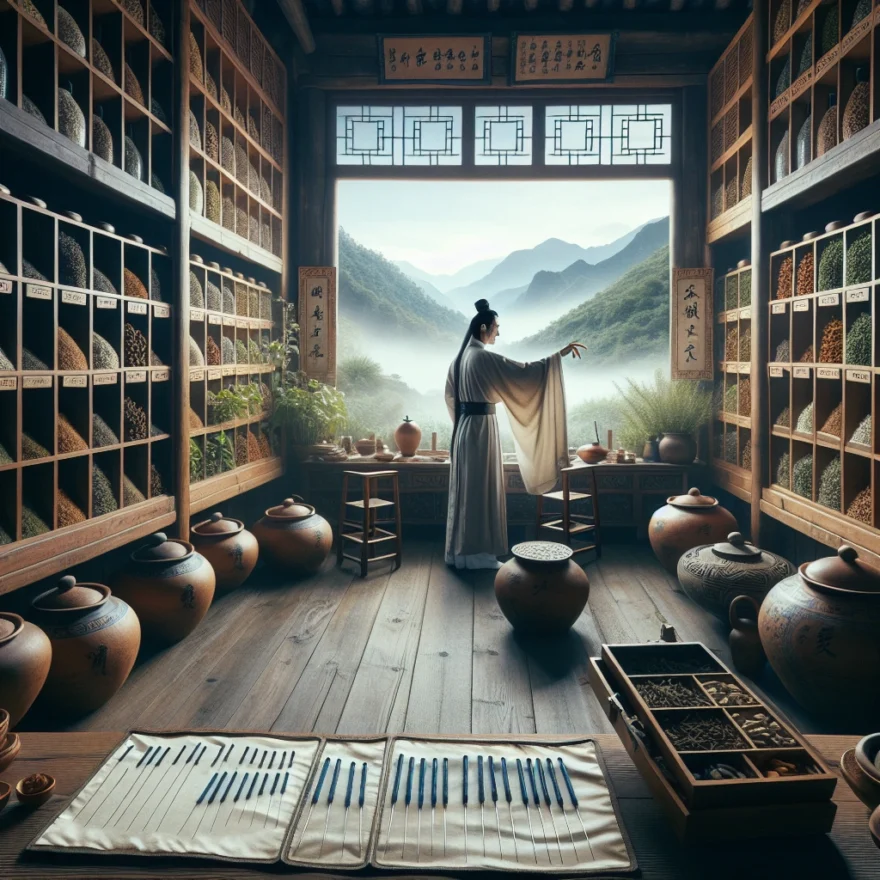
Introduction to Traditional Chinese Medicine
Deeply rooted in the rich tapestry of Chinese history and culture, Traditional Chinese Medicine (TCM) is a healing system that has been practiced for more than 2,500 years. It is a comprehensive healthcare system that views the body as a holistic entity where every part is interconnected. TCM is based on the philosophy of Taoism and the fundamental belief that the universe is governed by laws of balance and harmony. This belief extends to the human body, which is seen as a microcosm of the universe, with its own set of balanced and harmonious systems.
In TCM, health is perceived as a state of harmony within the body, and illness is considered to be a disruption of this balance. The goal of TCM is not only to treat illness, but also to maintain health and prevent disease by restoring and maintaining the body’s balance. This is achieved through various therapeutic methods, such as acupuncture, herbal medicine, dietary therapy, exercise, and massage.
Unlike Western medicine, which tends to focus on treating symptoms, TCM aims to address the root cause of disease and to treat the whole person, not just the disease. It takes into account the individual’s physical condition, emotional state, lifestyle, diet, and the environment in which they live. TCM practitioners use a variety of diagnostic methods, including observation, listening and smelling, questioning, and pulse-taking, to understand the patient’s condition and formulate a personalized treatment plan.
TCM’s unique approach to health and healing has been recognized by the World Health Organization and is used by millions of people around the world. Despite its ancient origins, TCM continues to evolve and adapt to the needs of modern society, offering a natural, holistic, and personalized approach to health and wellness.
As we delve deeper into the secrets of Traditional Chinese Medicine in the following sections, we will explore its fundamental theories, therapeutic methods, and its role in promoting health and preventing disease. We will also address common questions and misconceptions about TCM, providing a comprehensive understanding of this ancient yet enduring system of medicine.
Table of contents
- Introduction to Traditional Chinese Medicine
- The Five Elements Theory
- Qi and Meridians
- Acupuncture and Moxibustion
- Chinese Herbal Medicine
- Tui Na and Cupping
- Diet and Nutrition in Traditional Chinese Medicine
- Tai Chi and Qigong
- The Role of Mind and Spirit
- Common Questions about Traditional Chinese Medicine
The Five Elements Theory
Immersed in the heart of traditional Chinese medicine is an ancient philosophy known as the Five Elements Theory, also referred to as Wu Xing. This profound system is not only the foundation of Chinese medicine, but also a guiding principle of Chinese metaphysics and philosophy. It is a holistic system that categorizes all natural phenomena into five fundamental elements: Wood, Fire, Earth, Metal, and Water. Each of these elements represents different aspects of nature, and they are used to explain the interrelationships and interactions among the body’s organs and systems.
The Wood element, for instance, is associated with growth and vitality, and is linked to the liver and gallbladder in the human body. Fire, representing warmth and energy, is connected to the heart and small intestine. Earth, the symbol of nourishment and stability, corresponds to the spleen and stomach. Metal, symbolizing refinement and structure, is associated with the lungs and large intestine. Lastly, Water, the element of resource and willpower, is linked to the kidneys and bladder.
These elements do not work in isolation. Instead, they follow specific cycles of generation and control, maintaining a delicate balance within the body. In the generating cycle, each element nurtures and supports the next one: Wood fuels Fire, Fire creates Earth (ash), Earth bears Metal, Metal collects Water (as in condensation), and Water nourishes Wood. In the controlling cycle, each element checks and balances the other: Wood parts Earth, Earth absorbs Water, Water quenches Fire, Fire melts Metal, and Metal chops Wood.
When this equilibrium is disrupted, disease can occur. For example, if the Wood element (liver) is out of balance, it can ‘overact’ on Earth (spleen), causing digestive issues. This is why traditional Chinese medicine practitioners always consider the state of the Five Elements in the body when diagnosing and treating illnesses. They aim to restore the harmony of these elements, thereby promoting health and wellbeing.
Understanding the Five Elements Theory provides a deeper insight into the holistic approach of traditional Chinese medicine. It is an integral part of various therapeutic practices, including acupuncture, herbal medicine, Qigong, and dietary therapy. By embracing this ancient wisdom, one can achieve a greater balance in life, improved health, and a deeper connection with nature.
Qi and Meridians
Traditional Chinese Medicine (TCM) is a holistic approach to healthcare that has been practiced for thousands of years. One of the fundamental concepts in TCM is the belief in Qi (pronounced “chee”), which can be understood as the vital energy that flows through the body. According to TCM, Qi is responsible for maintaining health and vitality.
In TCM, it is believed that Qi flows through a network of channels called meridians. These meridians are like rivers, carrying Qi to different parts of the body. There are twelve main meridians, each associated with a specific organ system in the body. The meridians are interconnected and form a complex web of energy pathways.
The flow of Qi through the meridians is essential for maintaining balance and harmony within the body. When there is an imbalance or blockage in the flow of Qi, it can lead to various health problems. TCM aims to restore the balance and smooth flow of Qi through the use of different techniques.
Acupuncture is one of the most well-known techniques used in TCM to manipulate the flow of Qi. It involves the insertion of thin needles into specific points along the meridians to stimulate or sedate the Qi. By targeting these points, acupuncturists can help to restore the balance of Qi and promote healing.
Moxibustion is another technique used in TCM to stimulate the flow of Qi. It involves the burning of dried mugwort (Artemisia vulgaris) near the acupuncture points to warm and invigorate the Qi.
Aside from acupuncture and moxibustion, there are other methods in TCM that focus on restoring the flow of Qi. Tui Na, a form of Chinese therapeutic massage, uses various hand techniques and manipulations to stimulate the meridians and promote the flow of Qi.
Cupping is another technique that involves placing glass cups on the skin to create suction. This suction helps to stimulate the flow of Qi and remove any stagnation or blockages in the meridians.
In addition to these techniques, TCM also emphasizes the importance of maintaining a healthy lifestyle and diet to support the flow of Qi. Certain foods and herbs are believed to have specific energetic properties that can help to tonify or regulate Qi in the body.
Tai Chi and Qigong are also practices that are deeply rooted in TCM. These gentle exercises combine movement, breath control, and meditation to cultivate and balance Qi within the body.
It is important to note that the concept of Qi and meridians in TCM may not align with the Western understanding of the human body. However, TCM has been used for centuries and continues to be a popular form of healthcare in many parts of the world.
Overall, the understanding and manipulation of Qi and meridians are central to the practice of Traditional Chinese Medicine. By working with these energetic pathways, TCM aims to restore balance and promote optimal health and well-being.
Acupuncture and Moxibustion
Traditional Chinese Medicine (TCM) encompasses a wide range of practices and therapies, one of the most well-known being acupuncture and moxibustion. These ancient techniques have been used for centuries to promote healing and balance in the body.
Acupuncture involves the insertion of thin needles into specific points on the body, known as acupuncture points. These points are believed to be connected to channels or meridians through which energy, or Qi, flows. By stimulating these points, acupuncture aims to restore the flow of Qi and promote overall well-being.
Moxibustion, on the other hand, involves the burning of a herb called mugwort near the acupuncture points. The heat generated from the burning mugwort is believed to stimulate the flow of Qi and promote healing.
Acupuncture and moxibustion are often used together as complementary therapies in TCM. They are believed to have a wide range of benefits, including:
- Relieving pain: Acupuncture is commonly used to alleviate various types of pain, such as headaches, back pain, and arthritis.
- Reducing inflammation: Acupuncture has been found to have anti-inflammatory effects, which can help in the treatment of conditions like allergies and autoimmune disorders.
- Improving digestion: Acupuncture can help regulate the digestive system, addressing issues such as indigestion, bloating, and constipation.
- Boosting the immune system: By stimulating the body’s natural defense mechanisms, acupuncture can strengthen the immune system and improve overall health.
- Reducing stress and anxiety: Acupuncture is known to have a calming effect on the body and mind, promoting relaxation and reducing stress levels.
During an acupuncture session, the practitioner will carefully assess the individual’s condition and determine the most appropriate acupuncture points to target. The needles used are typically very thin and are inserted gently into the skin. The sensation experienced during acupuncture varies from person to person, but it is generally described as a mild tingling or dull ache.
Moxibustion, on the other hand, involves the burning of mugwort either directly on the skin or indirectly above the skin. The heat generated from the burning mugwort penetrates the acupuncture points, providing a warming and therapeutic effect.
It is important to note that acupuncture and moxibustion should only be performed by trained and qualified practitioners. Safety and hygiene are paramount in these practices to minimize the risk of infection or injury.
Acupuncture and moxibustion are just two of the many fascinating therapies within the realm of Traditional Chinese Medicine. By understanding and embracing these ancient practices, we can tap into a wealth of knowledge and wisdom that has been passed down through generations, promoting holistic health and well-being.
Chinese Herbal Medicine
Traditional Chinese Medicine (TCM) has a rich history of utilizing herbal medicine as a fundamental component of its healing practices. Chinese herbal medicine is based on the concept of restoring balance and harmony within the body, and it has been used for thousands of years to treat a wide range of ailments and promote overall well-being.
Unlike Western medicine, which often focuses on treating symptoms, Chinese herbal medicine aims to address the underlying imbalances or disharmonies that may be causing the symptoms. Practitioners of TCM believe that each herb has its own unique properties and energetics, and when combined in specific formulas, they can have powerful healing effects.
The selection of herbs in Chinese medicine is based on several factors, including the individual’s constitution, the specific condition being treated, and the desired therapeutic outcome. Chinese herbal formulas are typically composed of multiple herbs, which work synergistically to enhance their effectiveness and minimize potential side effects.
One of the distinguishing features of Chinese herbal medicine is its emphasis on individualized treatment. TCM practitioners take into account the patient’s unique pattern of disharmony, which is determined through a thorough assessment of their symptoms, medical history, and pulse and tongue diagnosis. Based on this information, a customized herbal formula is prescribed to address the root cause of the imbalance.
Chinese herbal medicine can be administered in various forms, including decoctions (strong herbal teas), powders, pills, or tinctures. Each form has its own advantages and may be chosen based on the patient’s preferences and the nature of the condition being treated.
It’s important to note that Chinese herbal medicine should be prescribed and supervised by a qualified TCM practitioner. They have the knowledge and expertise to ensure the safe and effective use of herbal remedies, taking into consideration any potential interactions with medications or other treatments.
Research has shown that Chinese herbal medicine can be beneficial for a wide range of conditions, including digestive disorders, respiratory conditions, hormonal imbalances, musculoskeletal issues, and mental-emotional disorders. However, it’s important to remember that TCM takes a holistic approach to health, and treatment may involve a combination of herbal medicine, acupuncture, dietary changes, and lifestyle modifications.
Overall, Chinese herbal medicine offers a unique and time-tested approach to healing, which can complement and enhance Western medical treatments. By addressing the underlying imbalances in the body and promoting natural healing processes, it aims to restore harmony and promote optimal health and well-being.
Tui Na and Cupping
Traditional Chinese Medicine encompasses a variety of therapeutic techniques, each with its own unique benefits and applications. One such technique is Tui Na, which is a form of therapeutic massage commonly used in conjunction with other TCM treatments.
Tui Na involves the application of pressure and manipulation techniques to specific points on the body to promote healing and balance. It is based on the principles of Qi and meridians, aiming to stimulate the flow of Qi and remove any blockages or imbalances that may be causing health issues.
Tui Na is often used to treat musculoskeletal conditions such as back pain, joint pain, and sports injuries. The therapist may use various techniques including kneading, rolling, and pressing to target specific areas of tension or discomfort. By manipulating the soft tissues and muscles, Tui Na can help improve circulation, reduce inflammation, and alleviate pain.
Cupping is another technique commonly used in Traditional Chinese Medicine. It involves placing special cups on the skin to create a suction effect. This suction helps to increase blood flow to the area and promote healing.
Cupping is often used to treat respiratory conditions such as coughs, asthma, and bronchitis. The cups are typically left in place for a few minutes, creating circular marks on the skin that may last for several days. Cupping is believed to help remove toxins from the body, improve circulation, and stimulate the immune system.
Both Tui Na and cupping are non-invasive techniques that can be used to complement other TCM treatments or as standalone therapies. They are generally safe when performed by trained practitioners, but it is important to consult with a qualified TCM practitioner before undergoing any treatment.
In conclusion, Tui Na and cupping are two valuable therapeutic techniques within Traditional Chinese Medicine. Tui Na can help address musculoskeletal issues and promote overall wellness, while cupping can aid in respiratory conditions and detoxification. By incorporating these techniques into a comprehensive treatment plan, individuals can experience the benefits of TCM in promoting balance and improving their overall health and well-being.
Diet and Nutrition in Traditional Chinese Medicine
Traditional Chinese Medicine (TCM) places great emphasis on the role of diet and nutrition in maintaining health and preventing diseases. In TCM, food is seen as a form of medicine that can be used to balance the body and promote overall well-being.
According to TCM principles, different types of food have different energetic properties that can affect the body in various ways. The goal of TCM nutrition is to achieve a harmonious balance between yin and yang energies, as well as to nourish the organs and support the flow of qi.
One important concept in TCM nutrition is the classification of foods based on their thermal nature. Foods are categorized as either warming, cooling, or neutral. Warming foods, such as ginger and cinnamon, are believed to increase yang energy and promote circulation. Cooling foods, such as cucumber and watermelon, are thought to reduce heat and excess yang energy. Neutral foods, like rice and beans, have a balancing effect and are considered suitable for most individuals.
In addition to thermal nature, TCM also considers the five flavors of food: sour, bitter, sweet, pungent, and salty. Each flavor is associated with specific organs and has different effects on the body. For example, sour foods, like lemons and vinegar, are believed to have astringent properties and can help tonify the liver. Bitter foods, such as dandelion greens and bitter melon, are thought to clear heat and detoxify the body. Sweet foods, like honey and dates, are believed to nourish the spleen and promote digestion. Pungent foods, such as garlic and ginger, are believed to disperse qi and invigorate circulation. Salty foods, like seaweed and miso, are thought to soften hardness and lubricate the intestines.
TCM also emphasizes the importance of eating in accordance with the seasons. In each season, certain foods are believed to be more beneficial for the body. For example, during the summer, when yang energy is at its peak, it is recommended to consume cooling foods to balance the body’s energy. These may include watermelon, cucumber, and mung bean sprouts. In the winter, when yin energy is predominant, warming foods like ginger, cinnamon, and hearty soups are often recommended to nourish the body and promote circulation.
When it comes to mealtime practices, TCM encourages mindful eating and paying attention to the body’s signals of hunger and fullness. It is advised to eat slowly, chew food thoroughly, and avoid overeating. TCM also recommends avoiding excessive consumption of cold or raw foods, as they are believed to weaken the digestive system and lead to imbalances.
It is important to note that TCM nutrition is highly individualized, and recommendations may vary depending on a person’s constitution, health condition, and specific needs. Consulting with a qualified TCM practitioner or nutritionist is recommended to receive personalized dietary advice.
Tai Chi and Qigong
Tai Chi and Qigong are two ancient practices that are an integral part of Traditional Chinese Medicine (TCM). These mind-body exercises have been passed down for generations and are known for their numerous health benefits.
Tai Chi, also known as Tai Chi Chuan, is a martial art that originated in ancient China. It is characterized by slow, flowing movements and deep breathing. Tai Chi is based on the principles of Yin and Yang, the balance of opposing forces, and the flow of Qi (energy) through the body.
Qigong, on the other hand, is a broader term that encompasses various exercises and techniques aimed at cultivating and balancing Qi. Qigong exercises can include gentle movements, meditation, breathing techniques, and visualization.
Both Tai Chi and Qigong are designed to promote the flow of Qi throughout the body, balance the Yin and Yang energies, and enhance overall health and well-being. These practices are often used in conjunction with other TCM therapies to treat a wide range of conditions.
Regular practice of Tai Chi and Qigong has been shown to have numerous health benefits. These include:
- Stress reduction: Tai Chi and Qigong promote relaxation and help reduce stress levels. The slow, deliberate movements and focused breathing help calm the mind and release tension in the body.
- Improved balance and flexibility: The gentle movements in Tai Chi and Qigong help improve balance, coordination, and flexibility. This is especially beneficial for older adults who may be at a higher risk of falls.
- Enhanced cardiovascular health: Tai Chi and Qigong can improve cardiovascular fitness by increasing circulation, lowering blood pressure, and reducing the risk of heart disease.
- Boosted immune system: Regular practice of Tai Chi and Qigong has been shown to strengthen the immune system, making individuals less susceptible to illness and disease.
- Pain relief: Tai Chi and Qigong can help alleviate chronic pain conditions such as arthritis and fibromyalgia. The gentle movements and stretching help improve joint mobility and reduce inflammation.
- Improved mental clarity and focus: The meditative aspects of Tai Chi and Qigong promote mental clarity, concentration, and mindfulness. These practices have been shown to improve cognitive function and memory.
Tai Chi and Qigong can be practiced by people of all ages and fitness levels. They are low-impact exercises that can be modified to suit individual needs. It is always recommended to learn Tai Chi and Qigong from a qualified instructor to ensure proper form and technique.
In conclusion, Tai Chi and Qigong are powerful practices that have been used for centuries in Traditional Chinese Medicine. These mind-body exercises offer a holistic approach to health and well-being, promoting physical, mental, and spiritual balance. Incorporating Tai Chi and Qigong into your daily routine can have profound effects on your overall health and vitality.
The Role of Mind and Spirit
Within the realm of Traditional Chinese Medicine (TCM), there is a deep understanding and recognition of the interconnectedness between the mind, body, and spirit. In TCM, it is believed that the mind and spirit play a crucial role in maintaining overall health and well-being.
According to TCM philosophy, emotions are considered to be a significant factor in the development of disease. Emotional imbalances, such as stress, anger, grief, and worry, can disrupt the flow of Qi (vital energy) and lead to disharmony within the body. Therefore, addressing the emotional well-being of an individual is an essential aspect of TCM treatment.
TCM offers various techniques and practices to support the role of the mind and spirit in maintaining health. One such practice is meditation, which is often used to calm the mind, reduce stress, and promote relaxation. Meditation is believed to help balance the flow of Qi and restore harmony within the body.
Another important aspect of TCM is the concept of cultivating a positive mindset. It is believed that a positive and optimistic attitude can enhance the body’s ability to heal and recover from illness. TCM practitioners often encourage their patients to engage in activities that bring joy and promote a sense of well-being.
In addition to meditation and cultivating a positive mindset, TCM also emphasizes the importance of maintaining a healthy lifestyle. This includes getting enough restful sleep, engaging in regular physical activity, and practicing proper nutrition. These lifestyle factors are believed to support the overall well-being of the mind, body, and spirit.
Furthermore, TCM recognizes the role of the environment in influencing a person’s health. It is believed that living in harmony with nature and the seasons can have a positive impact on overall well-being. TCM practitioners often advise their patients to spend time in nature, practice mindfulness, and connect with the natural world.
Overall, the role of the mind and spirit in TCM is viewed as integral to achieving and maintaining good health. By addressing emotional well-being, practicing meditation, cultivating a positive mindset, adopting a healthy lifestyle, and connecting with nature, individuals can support their overall well-being and promote balance within their mind, body, and spirit.
Common Questions about Traditional Chinese Medicine
Traditional Chinese Medicine (TCM) is a holistic approach to healthcare that has been practiced for thousands of years in China. It encompasses a wide range of therapies and practices aimed at restoring balance and harmony within the body. As with any form of medicine, there are often questions and misconceptions surrounding TCM. In this section, we will address some common questions about Traditional Chinese Medicine.
1. Is Traditional Chinese Medicine effective?
Yes, Traditional Chinese Medicine has been proven to be effective in treating a variety of health conditions. Many studies have shown positive outcomes in areas such as pain management, digestive disorders, respiratory issues, and mental health. However, it’s important to note that TCM works on a different paradigm than Western medicine, so its effectiveness may be perceived differently.
2. How does Traditional Chinese Medicine differ from Western medicine?
Traditional Chinese Medicine takes a holistic approach, considering the body, mind, and spirit as interconnected. It focuses on restoring balance and harmony within the body, while Western medicine often focuses on treating specific symptoms or diseases. TCM also emphasizes the importance of prevention and maintaining overall health.
3. Is Traditional Chinese Medicine safe?
When practiced by trained and qualified practitioners, Traditional Chinese Medicine is generally considered safe. However, it’s important to disclose any existing health conditions or medications to your TCM practitioner to ensure safe and appropriate treatment. As with any form of healthcare, there may be potential risks and side effects, but these are typically minimal when TCM is administered correctly.
4. Can Traditional Chinese Medicine be used alongside Western medicine?
Yes, Traditional Chinese Medicine can be used alongside Western medicine. In fact, many people choose to integrate both approaches to achieve a more comprehensive and balanced healthcare plan. It’s important to communicate with both your TCM practitioner and Western healthcare provider to ensure coordination and avoid any potential interactions between treatments.
5. How long does it take to see results with Traditional Chinese Medicine?
The time it takes to see results with Traditional Chinese Medicine can vary depending on the individual and the specific condition being treated. Some people may experience immediate relief, while others may require several sessions or weeks of treatment before significant improvements are noticed. Patience and consistency are key when it comes to TCM.
6. Can Traditional Chinese Medicine help with chronic conditions?
Yes, Traditional Chinese Medicine can be beneficial for chronic conditions. TCM takes a holistic approach to address the underlying imbalances contributing to the condition, rather than just treating the symptoms. However, it’s important to consult with a qualified TCM practitioner to determine the most appropriate treatment plan for your specific condition.
7. Is Traditional Chinese Medicine suitable for everyone?
Traditional Chinese Medicine is generally safe and suitable for most people, including children and the elderly. However, there may be certain situations where TCM is not recommended, such as during pregnancy, certain acute medical emergencies, or when there are contraindications with specific medications. It’s always best to consult with a qualified TCM practitioner to determine the suitability of treatment.
8. Can Traditional Chinese Medicine be used for preventative care?
Absolutely! Traditional Chinese Medicine places a strong emphasis on preventative care and maintaining overall health and well-being. Regular acupuncture sessions, herbal remedies, dietary adjustments, and practices like Tai Chi and Qigong can all contribute to preventing imbalances and promoting optimal health.
9. How do I find a qualified Traditional Chinese Medicine practitioner?
When seeking a qualified Traditional Chinese Medicine practitioner, it’s important to do your research. Look for practitioners who are licensed and certified in TCM, and consider their experience and reputation. You can also ask for recommendations from trusted healthcare providers or seek referrals from friends or family members who have had positive experiences with TCM.
10. Can I learn and practice Traditional Chinese Medicine myself?
While it’s always beneficial to have a qualified practitioner guide you in Traditional Chinese Medicine, there are aspects of TCM that you can incorporate into your own lifestyle. Practices like Tai Chi, Qigong, and mindful eating can be learned and practiced independently. However, it’s important to remember that TCM is a complex system of medicine, and in-depth knowledge and training are required to provide comprehensive treatment.