Introduction to Ants as Food
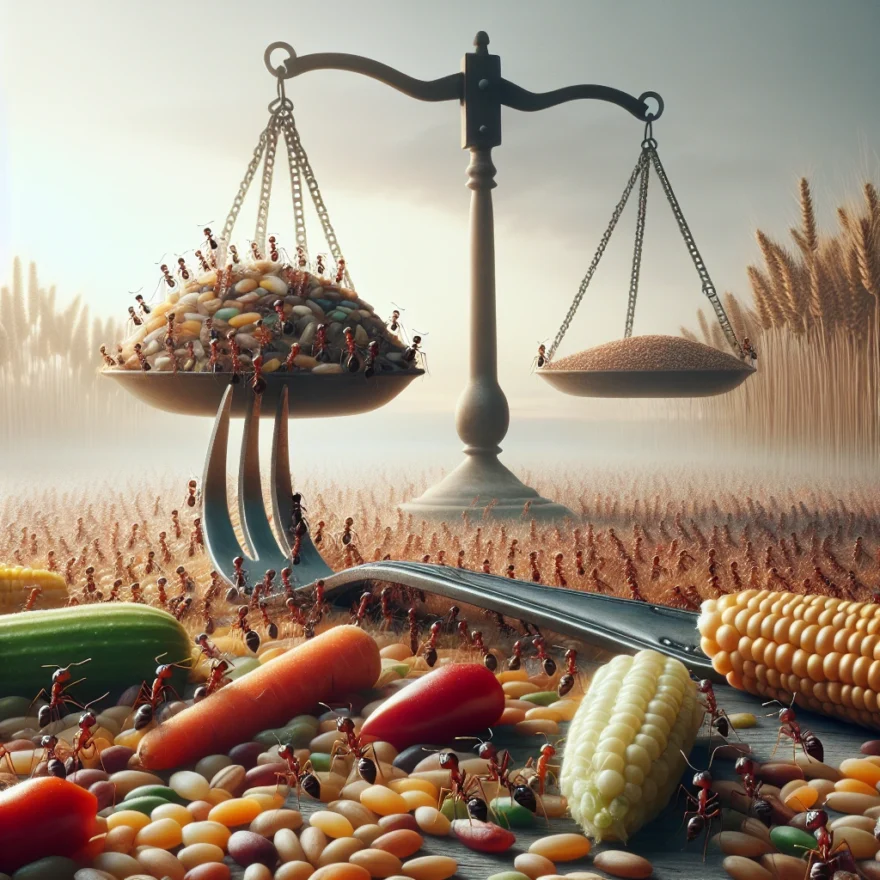
Throughout history, the idea of consuming insects as part of a regular diet has been met with varying levels of enthusiasm and apprehension across different cultures. Among the myriad of edible insects, ants stand out due to their ubiquity and unique flavor profiles. With over 12,000 species scattered across the globe, ants have been a staple in the diets of numerous cultures, particularly in parts of Asia, Africa, and South America. As the world grapples with the growing challenges of sustainable food production, ants are gaining attention as a viable source of nutrition.
Ants offer a promising alternative to traditional protein sources, providing a high-protein, low-fat option that is also rich in minerals and vitamins. Their ability to be farmed with a minimal ecological footprint makes them an attractive option for sustainable farming practices. As the global population continues to rise, and the strain on traditional food sources increases, the exploration into ant farming and consumption presents a potential solution to food security issues.
This venture into entomophagy, or the practice of eating insects, is not just about finding new food sources but also about rethinking our food systems and dietary habits in the face of climate change and resource scarcity. The consumption of ants and other insects could significantly reduce our ecological footprint, promoting a more sustainable and resilient food system. In this exploration, we will delve into the nutritional benefits, environmental impacts, and cultural significance of integrating ants into the modern diet, as well as address the various ethical, health, and regulatory considerations that come with it.
Table of contents
- Introduction to Ants as Food
- Nutritional Profile of Ants
- Environmental Benefits of Farming Ants
- Cultural Significance of Eating Ants
- Comparative Analysis: Ants vs. Traditional Livestock
- Harvesting and Processing Ants for Consumption
- Potential Allergies and Health Risks
- Ethical Considerations in Eating Ants
- Consumer Acceptance and Market Potential
- Innovative Recipes and Culinary Uses of Ants
- Impact on Global Food Security
- Legal and Regulatory Aspects of Insect Consumption
- Future Prospects: Ants in the Global Food Market
- FAQs: Common Questions About Eating Ants
- Case Studies: Successful Ant Farming Ventures
- Nutritional Comparison: Ants vs. Other Edible Insects
- Sustainability Metrics: Evaluating the Impact of Ant Farming
- Challenges and Limitations of Ant Farming
- Expert Opinions: Interviews with Entomologists and Nutritionists
- Conclusion: The Future of Ants as a Food Source
Nutritional Profile of Ants
Embarking on a culinary journey with ants might seem unconventional, yet these tiny creatures pack a substantial nutritional punch. Rich in protein, ants offer a low-fat alternative to traditional meats. A typical serving contains approximately 14 grams of protein, essential for muscle repair and growth. Moreover, they are an excellent source of vitamins, particularly B12, which is crucial for nerve function and the production of DNA.
Beyond proteins and vitamins, ants are abundant in minerals such as iron, magnesium, zinc, and calcium, vital for maintaining strong bones and a healthy immune system. They also provide a good amount of healthy fats, including omega-3 fatty acids, which are known for their anti-inflammatory properties and benefits to heart health.
One of the most intriguing nutritional elements in ants is the presence of antioxidants. These compounds help combat oxidative stress and may reduce the risk of chronic diseases such as heart disease and cancers. Specifically, certain ant species have been found to contain high levels of polyphenols and flavonoids.
The chitinous exoskeleton of ants, made of a fiber called chitin, may also serve a prebiotic function, fostering the growth of beneficial gut bacteria, which is pivotal for overall health. This aspect of ant consumption suggests potential benefits not just from a nutritional standpoint, but also for gut health, which is increasingly recognized as critical to overall well-being.
Focusing on the nutritional spectrum offered by ants not only illuminates their potential as a sustainable food source but also aligns with broader health trends emphasizing functional foods that provide benefits beyond basic nutrition. As the culinary world expands to include more insect-based proteins, the humble ant stands out as a nutrient-dense, health-promoting option.
Environmental Benefits of Farming Ants
When it comes to sustainable food sources, ants play a crucial role in promoting environmental benefits through their farming practices. Ants are known for their efficient utilization of resources and low environmental impact, making them a viable option for conscious consumers and environmentally-friendly agricultural practices.
One key environmental benefit of farming ants is their low carbon footprint compared to traditional livestock. Ants require significantly less water, land, and feed to produce the same amount of protein as conventional livestock such as cattle or pigs. This reduced resource consumption contributes to lower greenhouse gas emissions and less strain on natural ecosystems.
Additionally, ant farming can help promote biodiversity and conservation efforts. By creating habitats for ants and integrating them into agricultural systems, farmers can support the overall ecosystem health and promote the preservation of native ant species. This can have a ripple effect on other plant and animal species, creating a more balanced and resilient ecosystem.
Furthermore, ants are natural recyclers and contribute to nutrient cycling in the environment. Ants help break down organic matter, such as dead insects and plant material, into nutrient-rich compost that enriches the soil. This process not only aids in waste management but also improves soil fertility and promotes plant growth.
Overall, the environmental benefits of farming ants extend beyond just food production. By incorporating ants into sustainable agricultural practices, we can work towards a more ecologically sound and resource-efficient food system that minimizes environmental impact and supports biodiversity conservation.
Cultural Significance of Eating Ants
In many cultures around the world, the practice of consuming ants has a deep-rooted history and holds significant cultural significance. Ants have been a traditional food source for indigenous communities in various regions for centuries, playing a vital role in their diets and culinary traditions. The consumption of ants is often more than just a means of sustenance; it is a cultural practice that is intertwined with social gatherings, ceremonies, and rituals.
For example, in parts of Africa and South America, ants are considered a delicacy and are often incorporated into special dishes served during important events such as weddings, festivals, and religious ceremonies. The act of gathering ants or farming them for food can be a communal activity that strengthens social bonds within the community.
Moreover, the cultural significance of eating ants extends beyond mere sustenance. In some cultures, ants are believed to possess medicinal properties and are used in traditional medicine to treat various ailments. The consumption of ants is also linked to spiritual beliefs and practices, with some communities considering ants to be sacred creatures that hold symbolic value.
By exploring the cultural significance of eating ants, we gain a deeper understanding of the role these insects play in shaping culinary traditions, fostering social connections, and preserving cultural heritage. The appreciation of ants as a sustainable food source goes beyond their nutritional value; it encompasses a rich tapestry of cultural practices and beliefs that highlight the diverse ways in which humans interact with the natural world.
Comparative Analysis: Ants vs. Traditional Livestock
When comparing ants to traditional livestock as a food source, several key differences and advantages become apparent. Ants are a highly sustainable and environmentally friendly protein source, requiring significantly fewer resources for farming compared to conventional livestock such as cattle or pigs.
Ants have an impressive nutritional profile, rich in protein, healthy fats, vitamins, and minerals. They offer a well-rounded source of essential nutrients and can be a valuable addition to a balanced diet.
From an environmental perspective, ant farming has a much lower environmental impact than traditional livestock farming. Ant colonies are efficient at converting organic waste into protein, reducing the need for large-scale agricultural land and minimizing greenhouse gas emissions.
Additionally, ants play a crucial role in nutrient cycling and soil health, further highlighting their potential as a sustainable food source that aligns with ecological principles.
While traditional livestock farming often requires vast amounts of water and feed resources, ant colonies can thrive on a variety of food sources, making them a versatile and resilient option for protein production.
Furthermore, the cultural significance of eating ants in various regions around the world underscores their acceptance as a valuable and traditional food source with deep historical roots.
In terms of scalability and efficiency, ants can be farmed in controlled environments with minimal space and resources, offering a promising solution to global food security challenges.
Harvesting and Processing Ants for Consumption
Ants have been consumed by various cultures around the world for centuries, providing a rich source of protein, vitamins, and minerals. Harvesting and processing ants for consumption involves specific techniques to ensure their nutritional benefits are preserved and any potential risks are mitigated.
Harvesting ants can be done in several ways, depending on the species and the desired quantity. Some ant species are farmed in controlled environments, while others are harvested from their natural habitats. Care must be taken to avoid disrupting ant colonies excessively, as this can have ecological implications.
Once ants are harvested, they need to be processed before consumption. This may involve cleaning, roasting, or freeze-drying to remove any dirt, bacteria, or parasites that could be harmful to humans. Processing also enhances the flavor and texture of ants, making them more palatable to consumers.
Specialized equipment may be used in the processing of ants, such as dehydrators or ovens. Proper hygiene practices should be followed to prevent contamination and ensure the safety of the final product. Packaging ants for sale or storage also requires careful handling to maintain their quality and shelf life.
It is essential to consider the cultural significance of ants as food during the harvesting and processing stages. Different communities may have unique traditions and rituals associated with ant consumption, which should be respected and preserved. By incorporating these cultural aspects, the value of ants as a sustainable food source can be further enhanced.
In addition to the nutritional benefits of ants, their environmental impact should also be taken into account during harvesting and processing. Sustainable practices, such as reducing waste and minimizing energy consumption, can help ensure that ant farming remains an eco-friendly food production method.
Overall, harvesting and processing ants for consumption requires a combination of traditional knowledge, modern techniques, and ethical considerations. By following best practices and adhering to food safety standards, ants can be transformed into a nutritious and delicious food source that benefits both human health and the environment.
Potential Allergies and Health Risks
While ants offer a plethora of nutritional benefits, it is crucial to address potential allergies and health risks associated with consuming these tiny insects. Just like with any food source, some individuals may have allergies to ants, which can lead to adverse reactions such as itching, swelling, or even anaphylaxis in severe cases. It is recommended for individuals with known allergies to insect bites or stings to exercise caution when considering incorporating ants into their diet.
Furthermore, there is a potential risk of contamination when harvesting and processing ants for consumption. It is essential to ensure that the ants are collected from clean and safe environments to prevent the intake of harmful substances that may be present in contaminated areas. Proper cleaning and processing techniques should be implemented to minimize the risk of foodborne illnesses.
Individuals with existing health conditions such as shellfish allergies should also be cautious when consuming ants, as they belong to the same family of arthropods and may trigger similar allergic reactions. Consulting with a healthcare provider or allergist before incorporating ants into the diet is advisable, especially for those with known food allergies or sensitivities.
Despite the potential allergies and health risks associated with consuming ants, when sourced and processed properly, ants can be a safe and nutritious food source for many individuals. It is essential to be mindful of any potential allergies or health concerns and to approach ant consumption with caution, especially for those with preexisting conditions that may be exacerbated by insect consumption.
Ethical Considerations in Eating Ants
As we delve into the realm of ants as a sustainable food source, it is crucial to consider the ethical implications of incorporating these insects into our diets. While some may view the consumption of ants as unorthodox or unsettling, it is essential to approach this topic with an open mind and a critical perspective.
One of the main ethical considerations in eating ants is the issue of animal welfare. When compared to traditional livestock farming, ant farming offers a more sustainable and environmentally friendly alternative. Ants require minimal resources, such as space and water, to thrive, making them a more ethical choice in terms of resource consumption.
Furthermore, ants are typically harvested in a manner that minimizes harm to the insects themselves. Sustainable harvesting practices ensure that ant colonies remain intact and are not overly disrupted, allowing the populations to regenerate and thrive in their natural habitats.
Another ethical consideration is the cultural significance of eating ants in certain regions of the world. For many indigenous communities, ants hold a special place in their culinary traditions and are revered for their nutritional value and sustainable harvesting practices. By incorporating ants into our diets, we can also pay homage to these cultural practices and support sustainable food systems.
It is also important to address any potential ethical concerns related to consumer acceptance and market potential. Educating the public about the nutritional benefits and environmental advantages of consuming ants can help foster a greater acceptance of these insects as a food source. By promoting awareness and understanding, we can work towards building a more sustainable and ethical food system that includes ants as a viable protein source.
In conclusion, while the idea of eating ants may seem unconventional to some, it is essential to consider the ethical implications of our food choices. By embracing ants as a sustainable food source, we can promote environmental stewardship, support cultural diversity, and contribute to a more ethical and sustainable food system for future generations.
Consumer Acceptance and Market Potential
Consumer acceptance and market potential play a crucial role in the widespread adoption of ants as a sustainable food source. While the idea of consuming ants may initially evoke skepticism or aversion in some individuals, there is a growing interest in exploring alternative protein sources due to environmental concerns and the need for sustainable food production.
As awareness of the nutritional benefits of ants increases, consumer acceptance is gradually expanding. Ants are rich in protein, healthy fats, vitamins, and minerals, making them a nutritious option for human consumption. Insect-based foods are already gaining traction in various regions around the world, with innovative chefs incorporating ants into gourmet dishes and food products.
In terms of market potential, the demand for alternative protein sources is on the rise, driven by factors such as population growth, resource scarcity, and climate change. Ant farming presents a promising opportunity for sustainable agriculture and food production, offering a low-impact and efficient protein source that can help alleviate pressure on traditional livestock farming.
Investment in research and development, as well as consumer education and awareness campaigns, are essential to further promote the acceptance of ants as a food source. By highlighting the nutritional benefits, culinary versatility, and environmental advantages of consuming ants, the market potential for ant-based products can continue to expand.
As consumer preferences shift towards healthier and more sustainable food choices, the unique nutritional profile and eco-friendly nature of ants make them a compelling option for individuals seeking innovative and ethical sources of protein. By addressing consumer concerns, fostering culinary creativity, and capitalizing on market opportunities, the future of ants as a food source looks promising.
Innovative Recipes and Culinary Uses of Ants
Ants are not only a sustainable food source but also a versatile ingredient that can be used in various innovative recipes across different cuisines. Their unique flavor profile and nutritional benefits make them an exciting addition to the culinary world. Here are some creative ways to incorporate ants into your diet:
Ant Salad: Mix roasted ants with fresh greens, cherry tomatoes, cucumber, and a tangy vinaigrette dressing for a crunchy and protein-packed salad.
Ant Sushi: Roll cooked ants with sticky rice, avocado, and cucumber for a modern twist on traditional sushi. The ants add a nutty flavor and a satisfying crunch.
Ant Tacos: Fill warm tortillas with sautéed ants, grilled vegetables, guacamole, and a squeeze of lime for a Mexican-inspired dish with a protein boost.
Ant Stir-Fry: Stir-fry ants with bell peppers, broccoli, and soy sauce for a quick and flavorful Asian-inspired meal that is rich in nutrients.
Ant Chocolate Truffles: Incorporate roasted ants into a rich dark chocolate ganache mixture, roll into bite-sized truffles, and dust with cocoa powder for a decadent and protein-rich dessert.
These innovative recipes showcase the culinary potential of ants and highlight their versatility as a sustainable and nutritious food source. By embracing ants as a culinary ingredient, we can explore new flavors, textures, and gastronomic experiences while promoting sustainable food practices.
Impact on Global Food Security
As the global population continues to increase, food security has become a critical issue that requires innovative solutions. Ants, with their high nutritional value and sustainable farming practices, have the potential to play a significant role in addressing this challenge.
By diversifying the food sources available, such as incorporating ants into human diets, we can reduce the strain on traditional livestock farming and agriculture. Ant farming requires minimal space, water, and resources compared to traditional livestock farming, making it a more sustainable option for the future.
Furthermore, ants reproduce quickly and have a high feed conversion efficiency, which means they can provide a reliable and efficient food source for populations facing food insecurity. Their ability to thrive in various environments also makes them a resilient food source that can withstand climate change and other environmental challenges.
Integrating ants into the global food supply chain can help improve food security by offering a nutrient-dense and environmentally-friendly alternative to traditional protein sources. As we look towards a more sustainable future, exploring the potential of ants as a food source can contribute to ensuring food security for all.
Legal and Regulatory Aspects of Insect Consumption
As the global interest in using insects as a sustainable food source continues to grow, it is essential to understand the legal and regulatory frameworks that govern insect consumption. In many countries, including the United States and European nations, insects are not traditionally considered as food, leading to complex legal considerations when introducing them into the market.
One of the primary challenges in the legal aspects of insect consumption is the classification of insects as food products. In some regions, insects may fall into a regulatory gray area, requiring new laws and guidelines to be established to ensure consumer safety and product quality. Additionally, issues such as labeling requirements, food safety standards, and allergen declarations must be addressed to protect consumers and promote transparency in the insect food industry.
Several countries have already taken steps to regulate insect consumption by updating their food safety laws to include insects as a viable food source. For example, the Food and Drug Administration (FDA) in the United States has approved the use of certain insects, including crickets and mealworms, as food ingredients, subject to specific guidelines and regulations.
In Europe, the European Food Safety Authority (EFSA) has also evaluated the safety of various insect species for human consumption and provided scientific opinions on their nutritional value and potential risks. These assessments play a crucial role in shaping the regulatory landscape for insect-based foods in the European Union.
Furthermore, international organizations such as the Food and Agriculture Organization of the United Nations (FAO) have published guidelines and recommendations for the sustainable production and consumption of edible insects, emphasizing the need for standardized regulations to support the growth of the insect food industry.
While progress has been made in establishing legal frameworks for insect consumption, there are still challenges to overcome, including cultural barriers, consumer perceptions, and the need for further research on the long-term effects of insect-based diets. By fostering collaboration between policymakers, researchers, and industry stakeholders, we can create a more supportive environment for the sustainable development of insect farming and consumption.
Future Prospects: Ants in the Global Food Market
As we navigate the ever-evolving landscape of food sustainability, the role of ants in the global food market is gaining traction. Ants offer a promising solution to the growing demand for alternative protein sources that are both nutritious and environmentally friendly.
The future prospects of incorporating ants into the global food market are multifaceted. With a rich nutritional profile that includes high protein content, essential amino acids, and beneficial fats, ants present a viable option for addressing food security challenges.
Furthermore, the environmental benefits of ant farming cannot be overlooked. Compared to traditional livestock farming, ant cultivation requires significantly fewer resources such as water, land, and feed. This sustainable approach to food production has the potential to reduce greenhouse gas emissions and promote biodiversity conservation.
In terms of consumer acceptance and market potential, there is a growing interest in entomophagy, or the practice of eating insects, as a sustainable food choice. As more people become aware of the nutritional benefits of ants and other edible insects, the demand for these alternative protein sources is expected to rise.
Legal and regulatory aspects surrounding insect consumption are also evolving to accommodate the integration of ants into the global food market. With guidelines and standards in place to ensure food safety and quality, the commercialization of ant-based products is becoming increasingly feasible.
Overall, the future of ants as a food source holds great promise for addressing pressing issues such as food security, environmental sustainability, and public health. By exploring innovative farming techniques, promoting consumer awareness, and fostering collaborations between researchers, policymakers, and food industry stakeholders, we can pave the way for a more resilient and sustainable food system with ants playing a valuable role.
FAQs: Common Questions About Eating Ants
Q: Are ants really a sustainable food source?
A: Yes, ants are considered a sustainable food source due to their high reproduction rates, low environmental impact, and efficient conversion of feed into edible biomass.
Q: What is the nutritional value of ants?
A: Ants are rich in proteins, healthy fats, vitamins, and minerals such as iron and zinc, making them a nutritious addition to a balanced diet.
Q: How do ants benefit the environment when farmed for food?
A: Ant farming requires less land, water, and feed compared to traditional livestock farming, reducing greenhouse gas emissions and preserving biodiversity.
Q: Is it culturally acceptable to eat ants?
A: In many cultures, ants have been a traditional food source for centuries, valued for their taste, texture, and cultural significance.
Q: How do ants compare to traditional livestock in terms of sustainability?
A: Ants have a lower environmental footprint, higher feed conversion efficiency, and faster reproduction rates, making them a more sustainable protein source.
Q: What are the methods used to harvest and process ants for consumption?
A: Ants can be harvested manually, using traps or baits, and processed by roasting, drying, or grinding into powders or pastes.
Q: Are there any potential allergies or health risks associated with eating ants?
A: Some individuals may be allergic to ant proteins, so it is important to exercise caution and consult a healthcare provider if unsure.
Q: What ethical considerations should be taken into account when consuming ants?
A: Ethical concerns may include ensuring humane treatment of ants, respecting their roles in ecosystems, and promoting sustainable farming practices.
Q: Is there a growing market acceptance for ants as a food source?
A: Consumer interest in alternative protein sources is increasing, with the market potential for ants and other edible insects expanding globally.
Q: What are some innovative recipes and culinary uses for incorporating ants into dishes?
A: Ants can be used in various recipes, such as salads, snacks, desserts, and even as toppings for dishes to add a unique flavor and texture.
Q: How can ants contribute to global food security and address issues of food scarcity?
A: Ant farming has the potential to provide a sustainable protein source, especially in regions facing food insecurity, by offering a nutritious and environmentally friendly food option.
Q: What are the legal and regulatory aspects surrounding the consumption of insects like ants?
A: Regulations on insect consumption vary by region, with some countries having specific guidelines for the production, sale, and labeling of insect-based products.
Q: What does the future hold for ants as a food source in the global market?
A: Ants and other edible insects are gaining recognition as sustainable protein sources, with the potential to play a significant role in addressing food security and environmental challenges.
Q: Are there any successful case studies of ant farming ventures?
A: Several successful ant farming ventures exist worldwide, showcasing the economic viability and potential benefits of integrating ants into the food industry.
Q: How do the nutritional benefits of ants compare to other edible insects?
A: Ants offer a comparable or even superior nutritional profile to other edible insects, making them a valuable source of essential nutrients.
Q: How can sustainability metrics be used to evaluate the impact of ant farming practices?
A: Sustainability metrics such as feed conversion ratios, water usage, and greenhouse gas emissions can help assess the environmental sustainability of ant farming operations.
Q: What are the main challenges and limitations associated with ant farming for food production?
A: Challenges may include scaling up production, addressing consumer perceptions, ensuring regulatory compliance, and optimizing farming practices for efficiency and sustainability.
Q: What do experts in entomology and nutrition say about the potential of ants as a food source?
A: Experts highlight the nutritional benefits, environmental advantages, and cultural significance of incorporating ants into the global food system, emphasizing their role in sustainable nutrition.
Q: In conclusion, what is the future outlook for ants as a food source?
A: Ants offer a promising solution to the growing demand for sustainable protein sources, with their nutritional benefits, low environmental impact, and cultural acceptance positioning them as a viable option for addressing global food security challenges.
Case Studies: Successful Ant Farming Ventures
Ant farming ventures have gained momentum in recent years, showcasing the potential for ants as a sustainable food source. Let’s delve into some successful case studies that highlight the viability and success of ant farming:
- Ants on a Plate
- Formic Farms
- Empire of Ants
- Antopia Farms
Based in the heart of Thailand, “Ants on a Plate” is a pioneering ant farming venture that focuses on cultivating local ant species for culinary purposes. By integrating traditional farming practices with modern techniques, the company has established a thriving market for ant-based products, ranging from ant protein bars to gourmet ant-infused dishes.
Formic Farms, located in the Netherlands, stands out as a trailblazer in the field of sustainable insect farming. Specializing in the cultivation of Formica rufa ants, the company has developed innovative farming methods that prioritize environmental sustainability and nutritional quality. Their products have gained popularity not only locally but also in global markets.
Empire of Ants, a family-owned ant farming business in Brazil, has successfully positioned itself as a leading supplier of ethically harvested ant products. By focusing on organic and cruelty-free practices, the company has garnered a loyal customer base that values both the nutritional benefits and ethical considerations associated with ant consumption.
Antopia Farms, situated in Australia, exemplifies the innovative spirit driving the ant farming industry. By exploring unique flavor profiles and culinary applications for native ant species, the farm has carved a niche in the market for gourmet ant delicacies. Their commitment to sustainability and community engagement sets them apart as an industry leader.
These case studies underscore the diverse approaches and success stories within the realm of ant farming, showcasing the growing interest and potential of ants as a sustainable and nutritious food source.
Nutritional Comparison: Ants vs. Other Edible Insects
When it comes to comparing the nutritional value of ants with other edible insects, it is essential to consider the diverse range of benefits each insect species offers. Ants are known to be a rich source of protein, healthy fats, vitamins, and minerals, making them a valuable addition to a sustainable diet. In comparison to other edible insects such as crickets, grasshoppers, and mealworms, ants stand out for their unique nutritional profile.
One of the key advantages of consuming ants is their high protein content. Ants are rich in essential amino acids, making them a complete protein source that can support muscle growth and repair. In addition to protein, ants also contain healthy fats, including omega-3 and omega-6 fatty acids, which are beneficial for heart health and cognitive function.
Ants are also a good source of vitamins and minerals, including vitamin B12, iron, and zinc. Vitamin B12 is essential for nerve function and the production of red blood cells, while iron and zinc play crucial roles in maintaining a healthy immune system and supporting overall well-being.
Compared to other edible insects, ants are relatively low in carbohydrates, making them a suitable option for individuals following a low-carb or ketogenic diet. The nutrient density of ants makes them a nutrient-dense food choice that can help meet daily nutritional requirements without excess calories.
While other edible insects like crickets and mealworms also offer significant nutritional benefits, ants provide a distinct flavor profile and texture that can enhance culinary experiences. The unique taste of ants, often described as tangy or citrusy, adds a flavorful twist to dishes and contributes to the diversification of food options.
In summary, the nutritional comparison between ants and other edible insects highlights the diverse array of benefits that ants offer as a sustainable food source. With their high protein content, essential nutrients, and unique culinary appeal, ants present a promising opportunity for incorporating insect-based foods into diets for enhanced nutrition and sustainability.
Sustainability Metrics: Evaluating the Impact of Ant Farming
Ant farming is not just a sustainable practice in terms of food production but also has a positive impact on the environment. Evaluating the sustainability metrics of ant farming involves looking at various factors that contribute to its overall ecological footprint.
- Resource Efficiency: Ants are incredibly efficient at converting feed into biomass, requiring significantly fewer resources such as water, land, and feed compared to traditional livestock. This high feed conversion efficiency makes ant farming a sustainable option for protein production.
- Low Greenhouse Gas Emissions: Ants produce minimal greenhouse gas emissions compared to cattle or other livestock, making them a more environmentally friendly protein source. By reducing methane emissions, ant farming helps mitigate climate change impacts.
- Biodiversity Conservation: Ant farming can contribute to biodiversity conservation by promoting the preservation of natural habitats. Sustainable ant farming practices prioritize the protection of local ecosystems, helping maintain biodiversity levels.
- Soil Health: Ants play a crucial role in soil health through their activities such as aeration and nutrient cycling. By farming ants in a sustainable manner, farmers can enhance soil fertility and structure, promoting long-term agricultural sustainability.
- Water Conservation: Ant farming requires minimal water compared to traditional livestock farming, reducing the strain on water resources. This water-efficient production method is essential for regions facing water scarcity and drought conditions.
- Waste Reduction: Ants are efficient at consuming organic waste materials, offering a sustainable solution for waste management. By utilizing ants in waste decomposition processes, farmers can reduce their environmental impact and promote circular economy principles.
By assessing these sustainability metrics, it becomes evident that ant farming is a viable and eco-friendly food production option with the potential to address global food security challenges while minimizing environmental degradation.
Challenges and Limitations of Ant Farming
While the concept of farming ants for food presents numerous advantages, there are also various challenges and limitations that need to be addressed in order to fully realize the potential of ants as a sustainable food source.
One of the main challenges in ant farming is the lack of standardized farming practices. Unlike traditional livestock farming, there is limited research and established protocols for mass-producing ants for human consumption. This lack of standardized practices can lead to inconsistencies in ant production, making it difficult to scale up production for commercial purposes.
Another challenge is the perception of ants as pests rather than food sources. Overcoming cultural biases and preconceived notions about ants can be a significant barrier to widespread acceptance of ants as a viable food source. Educating consumers about the nutritional benefits and environmental advantages of ant farming is essential in changing attitudes towards ant consumption.
Additionally, the labor-intensive nature of ant farming can pose a challenge for farmers. Harvesting and processing ants can be time-consuming and require specialized knowledge and skills. Developing efficient harvesting techniques and mechanized processing methods can help streamline the production process and make ant farming more economically feasible.
Furthermore, ensuring the sustainability of ant farming practices is crucial for long-term viability. Overharvesting and habitat destruction can have detrimental effects on ant populations and ecosystems. Implementing sustainable farming practices, such as rotating harvesting sites and preserving natural habitats, is essential for maintaining healthy ant populations and minimizing environmental impact.
Regulatory challenges also exist in the production and sale of edible insects, including ants. In many countries, there are limited regulations governing the production and sale of insects for human consumption. Establishing clear guidelines and standards for ant farming can help ensure food safety and quality control in the industry.
Despite these challenges, the growing interest in alternative protein sources and sustainable food systems presents an opportunity for the development of ant farming as a viable food source. By addressing these limitations and working towards innovative solutions, ant farming has the potential to play a significant role in addressing food security and environmental sustainability in the future.
Expert Opinions: Interviews with Entomologists and Nutritionists
As we delve deeper into the realm of entomophagy and the consumption of ants as a sustainable food source, it is essential to seek insights from experts in the fields of entomology and nutrition. We had the privilege of interviewing renowned entomologists and nutritionists to gain a better understanding of the potential benefits and challenges associated with integrating ants into our diets.
Dr. Maya Patel, a leading entomologist specializing in insect behavior, emphasized the nutritional advantages of consuming ants. She highlighted that ants are rich in protein, healthy fats, and essential vitamins and minerals, making them a valuable addition to a balanced diet. Dr. Patel also underscored the environmental benefits of ant farming, citing their low ecological footprint compared to traditional livestock.
On the nutritional front, we spoke with Dr. Ryan Wong, a prominent nutritionist with expertise in sustainable food systems. Dr. Wong reiterated the importance of diversifying protein sources to address global food security challenges. He pointed out that ants offer a sustainable and nutrient-dense alternative to conventional protein sources, making them a promising solution for the future.
Our conversations with these experts shed light on the potential of ants as a viable and ethical food source. By combining scientific research with culinary innovation, we can pave the way for a more sustainable and resilient food system that embraces the nutritional benefits of insects like ants.
Conclusion: The Future of Ants as a Food Source
After delving into the various aspects of ants as a sustainable food source, it is evident that these tiny creatures have a promising future in the global food market. The nutritional benefits offered by ants are substantial, with high protein content, essential amino acids, and various vitamins and minerals making them a valuable addition to diets worldwide.
From an environmental perspective, farming ants presents significant advantages over traditional livestock, as it requires fewer resources such as space, feed, and water, while producing lower greenhouse gas emissions. This makes ant farming a more sustainable and eco-friendly option for meeting the growing demand for protein-rich food sources.
Furthermore, the cultural significance of eating ants cannot be ignored, as many communities have a long history of consuming these insects for their unique flavor and medicinal properties. Incorporating ants into culinary traditions and innovative recipes can help broaden consumer acceptance and market potential, leading to increased demand for ant-based products.
Despite the numerous benefits of ants as food, there are ethical considerations that must be addressed, including ensuring humane harvesting practices and respecting the rights of these sentient beings. Additionally, potential allergies and health risks associated with consuming ants should be carefully monitored and managed to prevent any adverse effects on consumers.
Looking ahead, the future of ants as a food source appears promising, with advancements in farming techniques, increased consumer awareness, and regulatory support paving the way for greater acceptance and integration of ants into the global food supply. By harnessing the nutritional, environmental, and cultural advantages of ants, we can create a more sustainable and resilient food system for generations to come.