Introduction to Psyllids
Psyllids, also known as plant lice or jumping plant lice, are small, sap-sucking insects that can cause significant damage to a wide variety of plants and crops. These tiny pests belong to the family Psyllidae and are often mistaken for aphids or whiteflies due to their similar appearance and feeding habits. However, psyllids are unique in their ability to jump, which sets them apart from other plant-sucking insects.
These insects can be found worldwide, with more than 3,000 species identified so far. Psyllids are not only a nuisance for gardeners and farmers, but they can also transmit plant diseases, such as citrus greening, which can have devastating effects on agricultural industries. Therefore, understanding how to identify and control these insects is crucial for maintaining healthy plants and protecting our food sources.
In this comprehensive guide, we will explore the life cycle of psyllids, how to identify their presence, and the damage they can cause to plants. We will also discuss various control methods, including natural predators, prevention techniques, organic and chemical options, and integrated pest management strategies. Additionally, we will delve into the impact of psyllids on agriculture, commonly affected plants and crops, and psyllid-resistant plant varieties. By the end of this article, you will have a thorough understanding of psyllids and how to protect your plants from these pesky insects.
Table of contents
- Introduction to Psyllids
- The Life Cycle of Psyllids
- Identifying Psyllid Infestations
- Common Types of Psyllids
- Damage Caused by Psyllids
- Natural Predators of Psyllids
- Preventing Psyllid Infestations
- Organic Control Methods for Psyllids
- Chemical Control Options for Psyllids
- Integrated Pest Management for Psyllids
- Monitoring and Scouting for Psyllids
- Psyllids and Their Impact on Agriculture
- Commonly Affected Plants and Crops
- Psyllid-Resistant Plant Varieties
- Frequently Asked Questions about Psyllids
- Myths and Misconceptions about Psyllids
- Case Studies: Successful Psyllid Control
- Resources for Further Reading on Psyllids
- Conclusion: Protecting Your Plants from Psyllids
The Life Cycle of Psyllids
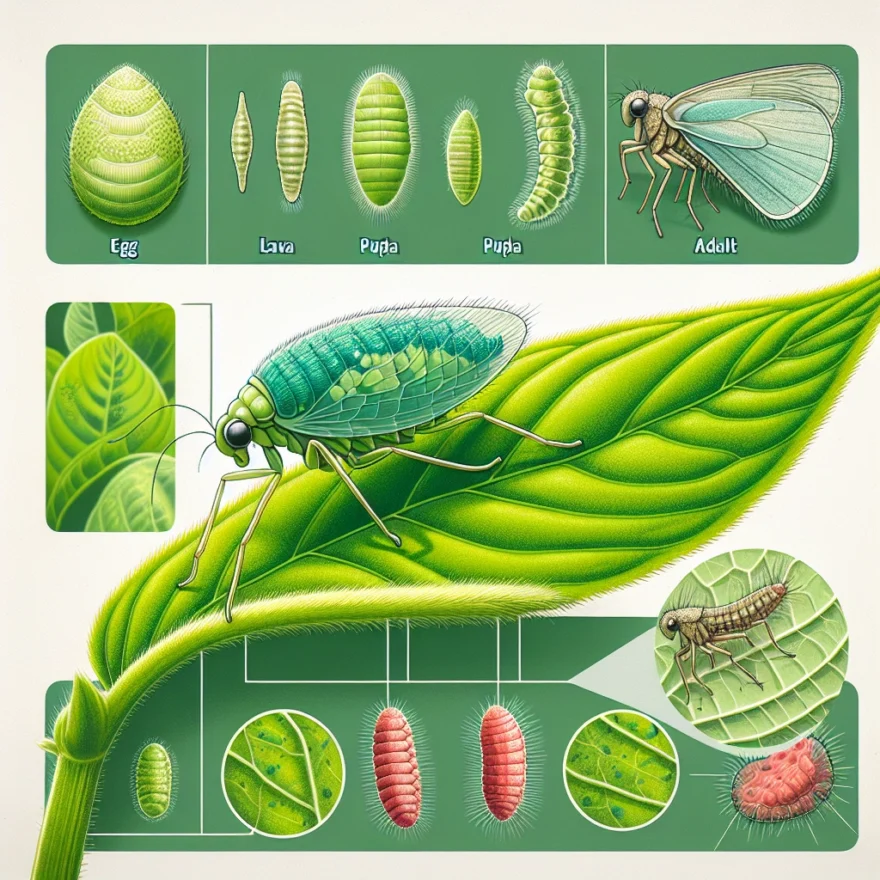
Understanding the life cycle of psyllids is essential in effectively identifying and controlling these plant-sucking insects. The life cycle of psyllids consists of four main stages: egg, nymph, pre-adult, and adult. This knowledge will help you determine the best time to implement control measures and monitor their populations in your garden or farm.
Psyllids typically lay their eggs on the underside of leaves, close to the veins, or on the tips of new growth. They prefer young, tender plant tissue as it provides an optimal environment for their offspring to feed and develop. The eggs are small, oval-shaped, and can be yellow, orange, or white, depending on the species. Female psyllids can lay up to several hundred eggs in their lifetime, which usually spans a few weeks.
After about a week, the eggs hatch into nymphs, which are the most destructive stage of the psyllid life cycle. Nymphs are small, flat, and wingless, with a yellow or green color that helps them blend in with the plant foliage. They feed on plant sap using their piercing-sucking mouthparts, causing damage to the host plant and potentially transmitting plant diseases. As they feed, nymphs excrete a sugary substance called honeydew, which can lead to the growth of sooty mold on the plant’s surface. Nymphs go through five instars, or growth stages, before reaching adulthood, with each stage lasting about a week.
The pre-adult stage, also known as the wing bud stage, is when the nymphs develop wing pads and start to resemble miniature adults. This stage is relatively short, lasting just a few days before the psyllids molt and become adults.
Adult psyllids are small, winged insects that measure between 2 to 4 millimeters in length. Their coloration varies depending on the species, ranging from green, yellow, or brown to black. They have distinctive, clear wings that are held roof-like over their bodies when at rest. Adult psyllids are also capable of jumping, which is a key characteristic that sets them apart from other plant-sucking insects like aphids and whiteflies. Males and females mate soon after reaching adulthood, and the females begin laying eggs shortly after, starting a new generation of psyllids.
The entire life cycle of psyllids can be completed in as little as three to four weeks, depending on the species and environmental conditions. This rapid reproduction rate allows psyllid populations to increase quickly, making early detection and control crucial in preventing significant plant damage and potential crop loss.
Identifying Psyllid Infestations
Psyllids are small, sap-sucking insects that can cause significant damage to plants and crops. Identifying a psyllid infestation can be challenging as they are often small and difficult to spot. However, there are a few key signs to look out for:
- Leaf curling or distortion: Psyllids often cause leaves to curl or become distorted, which can be a sign of an infestation.
- Yellowing or discoloration: Infested leaves may turn yellow or become discolored, which can be a sign of psyllid damage.
- Sticky residue: Psyllids secrete a sticky, sugary substance called honeydew, which can accumulate on leaves and attract other insects.
- Presence of psyllids: If you see small, winged insects on your plants, they may be psyllids. Look for insects that are about 1/8 inch long and have a distinctive triangular shape.
If you suspect that your plants are infested with psyllids, it’s important to act quickly to prevent further damage. Psyllids can reproduce rapidly and cause significant damage to plants and crops if left unchecked.
Next, we’ll explore the different types of psyllids that commonly infest plants and crops, as well as the damage they can cause.
Common Types of Psyllids
Psyllids are a diverse group of insects that can be found all over the world. There are over 3,000 known species of psyllids, and they come in a wide range of shapes, sizes, and colors. Some of the most common types of psyllids include:
- Asian citrus psyllid: This psyllid is a major pest of citrus trees and can cause significant damage to crops. It is native to Asia but has spread to other parts of the world.
- Potato psyllid: This psyllid is a major pest of potatoes and other crops in the nightshade family. It is found throughout North and South America.
- Tomato psyllid: This psyllid is a major pest of tomatoes and other crops in the nightshade family. It is found throughout the world.
- Carrot psyllid: This psyllid is a major pest of carrots and other crops in the parsley family. It is found throughout Europe and North America.
- Pear psylla: This psyllid is a major pest of pear trees and can cause significant damage to crops. It is found throughout North America and Europe.
- Ash psyllid: This psyllid is a major pest of ash trees and can cause significant damage to the trees. It is found throughout North America.
Each type of psyllid has its own unique characteristics and behaviors, which can make them difficult to control. It is important to correctly identify the type of psyllid that is affecting your plants in order to choose the most effective control methods.
Damage Caused by Psyllids
Psyllids are notorious for causing damage to plants through their feeding habits. These insects feed on the sap of plants, which can lead to stunted growth, yellowing of leaves, and premature leaf drop. Psyllids can also transmit plant diseases, which can further weaken and damage plants.
The damage caused by psyllids can vary depending on the type of plant they infest. For example, psyllids that infest citrus trees can cause a condition known as citrus greening, which can result in misshapen and bitter fruit. Psyllids that infest potato plants can cause a condition known as psyllid yellows, which can reduce yields and quality of the potatoes.
One of the most notable effects of psyllid damage is the production of honeydew, a sticky substance that is excreted by the insects as they feed. Honeydew can attract other pests such as ants and wasps, which can further damage the plant and spread disease.
In addition to the physical damage caused by psyllids, the stress of infestation can also make plants more susceptible to other pests and diseases. This can lead to a vicious cycle of damage and decline that can be difficult to break without intervention.
It is important to identify psyllid infestations early and take action to control them in order to minimize the damage they can cause to plants and crops.
Natural Predators of Psyllids
Psyllids are a common pest that can cause significant damage to plants and crops. One effective way to control psyllid populations is by using natural predators. These predators can help keep psyllid populations in check and reduce the need for chemical pesticides.
Some of the most effective natural predators of psyllids include:
- Ladybugs: Ladybugs are a common predator of psyllids and other plant-sucking insects. They are attracted to psyllids and will feed on both the adults and the nymphs.
- Lacewings: Lacewings are another beneficial insect that can help control psyllid populations. They are attracted to psyllids and will feed on both the adults and the nymphs.
- Parasitic Wasps: There are several species of parasitic wasps that are effective at controlling psyllids. These wasps lay their eggs inside the psyllid nymphs, which then hatch and consume the psyllid from the inside out.
- Predatory Mites: Predatory mites are another natural predator of psyllids. They are small, spider-like creatures that feed on the psyllid nymphs.
Using natural predators to control psyllids can be an effective and environmentally-friendly way to protect your plants. However, it is important to remember that natural predators may not be enough to completely eliminate psyllid populations. In some cases, it may be necessary to use additional control methods, such as organic or chemical pesticides.
Preventing Psyllid Infestations
Preventing psyllid infestations is crucial to keeping your plants healthy and productive. Here are some tips to help prevent psyllids from infesting your garden:
- Clean up debris: Psyllids are attracted to areas with lots of debris, so it’s important to clean up any fallen leaves, branches, or other debris in your garden.
- Plant selection: Choose plants that are less attractive to psyllids. Some plants that are less likely to attract psyllids include marigolds, lavender, and rosemary.
- Companion planting: Planting certain plants together can help repel psyllids. For example, planting garlic or chives near your crops can help keep psyllids away.
- Proper watering: Overwatering can attract psyllids, so it’s important to water your plants properly. Water deeply and infrequently, rather than frequently and shallowly.
- Mulching: Mulching can help prevent psyllids by reducing the amount of moisture in the soil, which psyllids are attracted to.
- Row covers: Covering your plants with row covers can prevent psyllids from accessing them.
By following these tips, you can help prevent psyllid infestations and keep your plants healthy and productive.
Organic Control Methods for Psyllids
Organic control methods for psyllids are a great way to manage these plant-sucking insects without harming the environment. These methods are also safe for humans and animals, making them an ideal choice for those who are concerned about the use of chemicals.
The following are some effective organic control methods for psyllids:
- Neem Oil: This is a natural insecticide that is derived from the neem tree. It works by disrupting the insect’s hormonal balance, causing it to stop feeding and eventually die. Neem oil is safe for humans and pets, but it can be harmful to beneficial insects, so use it sparingly and only when necessary.
- Diatomaceous Earth: This is a natural powder made from the fossilized remains of diatoms. It works by dehydrating the insects, causing them to die. Diatomaceous earth is safe for humans and pets, but it can be harmful to beneficial insects, so use it sparingly and only when necessary.
- Beneficial Insects: There are several beneficial insects that prey on psyllids, including ladybugs, lacewings, and parasitic wasps. You can attract these insects to your garden by planting flowers that they like, such as marigolds, zinnias, and sunflowers.
- Companion Planting: Planting certain plants alongside your crops can help to repel psyllids. Some plants that are known to repel psyllids include garlic, onions, and chives.
- Cultural Controls: Keeping your plants healthy and well-maintained can help to prevent psyllid infestations. This includes watering your plants regularly, fertilizing them as needed, and pruning away any dead or diseased branches.
It’s important to remember that organic control methods may not be as effective as chemical control methods, but they are a safer and more environmentally friendly option. If you do choose to use chemicals, be sure to read the label carefully and follow all instructions to ensure safe and effective use.
Chemical Control Options for Psyllids
Chemical control options for psyllids should be used as a last resort, after all other methods have failed. Chemical control involves the use of pesticides to kill psyllids and prevent further damage to plants and crops. However, it is important to use these chemicals responsibly, as they can have negative effects on the environment and other organisms.
Before using any chemical control options, it is important to identify the specific type of psyllid infestation and choose the appropriate pesticide. Some common pesticides used for psyllid control include neonicotinoids, pyrethroids, and organophosphates.
Neonicotinoids are a group of pesticides that are commonly used for psyllid control. They work by affecting the nervous system of the psyllid, causing paralysis and death. However, neonicotinoids have been linked to negative effects on bees and other pollinators, so their use should be limited and only applied when necessary.
Pyrethroids are another group of pesticides that are commonly used for psyllid control. They work by affecting the nervous system of the psyllid, causing paralysis and death. Pyrethroids are generally less harmful to bees and other pollinators than neonicotinoids, but they can still have negative effects on other organisms.
Organophosphates are a group of pesticides that are commonly used for psyllid control. They work by affecting the nervous system of the psyllid, causing paralysis and death. Organophosphates are generally more harmful to humans and other organisms than neonicotinoids and pyrethroids, so their use should be limited and only applied when necessary.
When using any pesticide, it is important to follow the instructions on the label carefully. This includes wearing protective clothing and gear, applying the pesticide at the appropriate time and rate, and properly disposing of any unused pesticide or containers.
It is also important to be aware of the potential negative effects of pesticides on the environment and other organisms. Pesticides can contaminate soil and water, harm beneficial insects and animals, and contribute to the development of pesticide-resistant psyllids.
Overall, chemical control options for psyllids should be used sparingly and only as a last resort. Integrated pest management and natural control methods should be used first to minimize the negative effects of pesticides on the environment and other organisms.
Integrated Pest Management for Psyllids
Integrated Pest Management (IPM) is a holistic approach to pest control that involves a combination of different methods to manage pests. When it comes to psyllids, IPM can be an effective way to control these plant-sucking insects while minimizing the use of pesticides.
IPM for psyllids involves a combination of cultural, physical, biological, and chemical control methods. The goal is to create an environment that is less favorable to psyllids, while also using natural predators and other control methods to keep them in check.
Cultural control methods include practices like crop rotation, planting psyllid-resistant varieties, and maintaining healthy soil conditions. By rotating crops and planting resistant varieties, you can disrupt the psyllid life cycle and reduce their numbers. Healthy soil conditions can also help plants resist psyllid attacks.
Physical control methods involve physically removing psyllids from plants. This can be done by handpicking or using a vacuum to suck up psyllids. Sticky traps can also be used to capture psyllids and prevent them from reaching plants.
Biological control methods involve using natural predators to control psyllid populations. Ladybugs, lacewings, and parasitic wasps are all natural predators of psyllids and can be introduced to your garden or farm to help control psyllids.
Chemical control methods should be used as a last resort and only when other methods have failed. When using pesticides, it is important to choose a product that is specifically labeled for psyllids and to follow all instructions carefully.
IPM for psyllids also involves monitoring and scouting for psyllids regularly. By monitoring psyllid populations, you can catch infestations early and take action before they become a major problem. Scouting involves inspecting plants regularly for signs of psyllid damage or infestation.
Overall, IPM for psyllids is a comprehensive approach to pest control that can be highly effective when implemented properly. By combining different control methods and monitoring psyllid populations regularly, you can protect your plants from damage while minimizing the use of pesticides.
Monitoring and Scouting for Psyllids
Psyllids can be difficult to control once they have established themselves on a plant or in a garden. That’s why it’s important to monitor and scout for psyllids regularly to catch infestations early and prevent them from spreading.
One of the easiest ways to monitor for psyllids is to simply inspect your plants regularly. Look for signs of damage such as yellowing or curling leaves, stunted growth, or distorted fruit. You may also see the insects themselves on the plant or flying around it.
Another effective method of monitoring for psyllids is to use sticky traps. These traps are coated with a sticky substance that psyllids will get stuck to when they land on them. Place the traps around your garden or near your plants and check them regularly for psyllids.
Scouting for psyllids involves actively searching for the insects in your garden or on your plants. This can be done by visually inspecting the plants or by shaking them over a white piece of paper to dislodge any insects that may be hiding on the leaves.
It’s important to monitor and scout for psyllids regularly, especially during the growing season when they are most active. Catching an infestation early can make it much easier to control and prevent it from spreading to other plants in your garden.
Psyllids and Their Impact on Agriculture
Psyllids are a significant threat to agriculture, as they can cause significant damage to crops and plants. These insects are known for their ability to suck the sap out of plants, causing them to wilt and die. Psyllids can also transmit diseases to plants, which can further damage crops and reduce yields.
Psyllids are particularly harmful to fruit trees, such as citrus and apple trees, as well as to vegetables like potatoes and tomatoes. In fact, psyllid infestations have been known to cause significant damage to entire orchards and fields, leading to millions of dollars in losses for farmers.
Psyllids are also a concern for greenhouse growers, as they can quickly spread throughout an enclosed space and infect multiple plants. This can lead to the loss of entire crops and significant financial losses for growers.
As a result, it is essential for farmers and growers to take steps to prevent and control psyllid infestations. This can include implementing organic and chemical control methods, as well as utilizing psyllid-resistant plant varieties.
Integrated pest management (IPM) strategies can also be effective in controlling psyllids, as they involve a combination of cultural, biological, and chemical control methods. By using a variety of approaches, growers can reduce the risk of psyllid infestations and protect their crops from damage.
Commonly Affected Plants and Crops
Psyllids are known to infest a wide variety of plants and crops, causing significant damage and yield loss. Some of the most commonly affected plants and crops include:
- Citrus trees: Psyllids are particularly damaging to citrus trees, causing stunted growth, leaf curling, and fruit drop. They are also known to transmit a deadly bacterial disease called citrus greening.
- Potatoes: Psyllids can cause significant damage to potato crops, resulting in reduced yields and poor quality tubers. They are also known to transmit a disease called zebra chip.
- Tomatoes: Psyllids can infest tomato plants, causing yellowing and curling of leaves, stunted growth, and reduced fruit production.
- Peppers: Psyllids can cause significant damage to pepper plants, resulting in reduced yields and poor fruit quality.
- Eggplants: Psyllids can infest eggplant plants, causing yellowing and curling of leaves, stunted growth, and reduced fruit production.
- Mint: Psyllids are known to infest mint plants, causing yellowing and curling of leaves, stunted growth, and reduced oil production.
- Carrots: Psyllids can cause significant damage to carrot crops, resulting in reduced yields and poor quality roots.
- Almonds: Psyllids can infest almond trees, causing leaf yellowing, defoliation, and reduced nut production.
- Olive trees: Psyllids can cause significant damage to olive trees, resulting in reduced yields and poor quality fruit.
- Lettuce: Psyllids can infest lettuce plants, causing yellowing and curling of leaves, stunted growth, and reduced quality.
It is important for growers to monitor their plants and crops for psyllid infestations and take appropriate measures to control them before they cause significant damage. Implementing preventative measures such as crop rotation, maintaining healthy soil, and using psyllid-resistant plant varieties can also help reduce the risk of infestations.
Psyllid-Resistant Plant Varieties
Psyllids can cause significant damage to plants and crops, leading to reduced yields and economic losses for farmers. One way to prevent psyllid infestations is by planting psyllid-resistant plant varieties. These plants have been bred or genetically modified to be less susceptible to psyllid attacks, making them a valuable tool in integrated pest management (IPM) strategies.
Psyllid-resistant plant varieties are available for a variety of crops, including potatoes, tomatoes, citrus fruits, and grapes. For example, the potato variety ‘Russet Burbank’ has been bred to resist psyllid infestations, reducing the need for chemical pesticides. Similarly, the tomato variety ‘Terenzo’ has been developed to resist psyllid attacks, reducing the risk of crop damage.
Citrus trees are particularly vulnerable to psyllid infestations, which can cause a disease called citrus greening. To combat this problem, researchers have developed psyllid-resistant citrus varieties, such as ‘US Early Pride’, ‘US Seedless’, and ‘US Sunburst’. These varieties have been shown to have lower psyllid populations and reduced incidence of citrus greening.
In addition to traditional breeding techniques, genetic modification has also been used to create psyllid-resistant plant varieties. For example, researchers have developed genetically modified citrus trees that produce a protein that is toxic to psyllids. These trees have shown promise in reducing psyllid populations and slowing the spread of citrus greening.
While psyllid-resistant plant varieties can be a valuable tool in IPM strategies, it is important to note that they are not a silver bullet. Psyllids can still infest these plants, although to a lesser degree, and other pests and diseases may still affect them. Therefore, it is important to use psyllid-resistant plant varieties in conjunction with other IPM practices, such as monitoring and scouting, crop rotation, and the use of natural predators.
Overall, psyllid-resistant plant varieties offer a promising solution to the problem of psyllid infestations in crops. By using these plants in conjunction with other IPM practices, farmers can reduce the risk of crop damage and improve their yields, leading to a more sustainable and profitable agricultural system.
Frequently Asked Questions about Psyllids
What are Psyllids?
Psyllids are small, sap-sucking insects that feed on the sap of plants. They are commonly found on a variety of plants, including fruit trees, vegetables, and ornamental plants. They are known for their ability to cause significant damage to plants and crops, making them a major pest for farmers and gardeners alike.
How do Psyllids damage plants?
Psyllids damage plants by feeding on their sap, which can cause stunted growth, yellowing leaves, and premature leaf drop. In severe infestations, psyllids can kill plants or cause significant damage to crops, leading to reduced yields and economic losses for farmers.
What are some natural predators of Psyllids?
There are several natural predators of psyllids, including ladybugs, lacewings, and parasitic wasps. These predators can help to control psyllid populations and reduce the need for chemical pesticides.
What are some organic control methods for Psyllids?
Organic control methods for psyllids include introducing natural predators, using insecticidal soaps or oils, and using physical barriers such as row covers. These methods are generally safer for the environment and for beneficial insects than chemical pesticides.
What are some chemical control options for Psyllids?
Chemical control options for psyllids include insecticides such as neonicotinoids and pyrethroids. However, these pesticides can be harmful to beneficial insects and can lead to pesticide resistance in psyllids.
What is Integrated Pest Management (IPM) for Psyllids?
Integrated Pest Management (IPM) for psyllids involves using a combination of cultural, biological, and chemical control methods to manage psyllid populations. This approach is generally more effective and sustainable than relying solely on chemical pesticides.
What are some common plants and crops affected by Psyllids?
Psyllids can affect a wide variety of plants and crops, including citrus trees, potatoes, tomatoes, and peppers. They are also commonly found on ornamental plants such as boxwood and holly.
What are some Psyllid-resistant plant varieties?
There are several plant varieties that are resistant to psyllids, including some citrus varieties and potato varieties. Planting these resistant varieties can help to reduce the risk of psyllid infestations.
What are some common myths and misconceptions about Psyllids?
One common myth about psyllids is that they can be controlled by spraying plants with water. However, this is generally ineffective and can actually spread psyllids to other plants. Another misconception is that psyllids only affect citrus trees, when in fact they can infest a wide variety of plants.
What are some resources for further reading on Psyllids?
There are several resources available for further reading on psyllids, including extension publications from universities and government agencies, as well as scientific journals and books on pest management.
Myths and Misconceptions about Psyllids
Psyllids are often misunderstood insects, and there are many myths and misconceptions surrounding them. Here are some of the most common:
- Myth: Psyllids only attack unhealthy plants. While it is true that psyllids are attracted to weak or stressed plants, they can also attack healthy plants.
- Myth: Psyllids only feed on leaves. While psyllids do primarily feed on leaves, they can also feed on stems, flowers, and fruit.
- Myth: Psyllids only affect a few types of plants. While some species of psyllids are more commonly found on certain plants, they can potentially infest a wide variety of plant species.
- Myth: Natural predators will always keep psyllids in check. While natural predators such as ladybugs and lacewings can help control psyllid populations, they may not always be present in sufficient numbers to provide effective control.
- Myth: Chemical pesticides are the only way to control psyllids. While chemical pesticides can be effective, there are also a variety of organic and integrated pest management methods that can be used to control psyllids.
It is important to separate fact from fiction when it comes to psyllids in order to effectively control and prevent infestations.
Case Studies: Successful Psyllid Control
Psyllids can be a challenging pest to control, but there are many success stories of farmers and gardeners who have effectively managed infestations. Here are a few case studies:
Case Study 1: Citrus Psyllids in California
Citrus growers in California have been battling the Asian citrus psyllid (ACP) for years. This pest not only sucks sap from trees, but it can also transmit a deadly disease called huanglongbing (HLB) or citrus greening. In 2008, ACP was first detected in California, and by 2012, HLB was found in the state. Since then, the California Department of Food and Agriculture has implemented a statewide program to monitor and manage ACP and HLB. This program includes spraying insecticides, releasing natural predators, removing infected trees, and enforcing quarantines to prevent the movement of citrus plants and fruit.
Case Study 2: Tomato Psyllids in New Zealand
In 2006, tomato psyllids were first detected in New Zealand, causing significant damage to tomato crops. The psyllids were resistant to many pesticides, making control difficult. However, researchers at Plant and Food Research developed a new control method using a virus that infects and kills the psyllids. This virus, called Psyllid Yellows Phytoplasma, was found to be highly effective in reducing psyllid populations. The virus is now used in conjunction with other control methods, such as insecticides and biological control agents.
Case Study 3: Potato Psyllids in Idaho
In 2011, potato psyllids were first detected in Idaho, causing concern for potato growers in the state. Potato psyllids can transmit a disease called zebra chip, which can cause significant yield losses. Researchers at the University of Idaho Extension developed a monitoring and management program for potato psyllids, which includes scouting for psyllids, using sticky traps, and spraying insecticides when necessary. The program has been successful in reducing psyllid populations and preventing the spread of zebra chip disease.
These case studies demonstrate that effective psyllid control requires a combination of methods, including monitoring, prevention, natural predators, and chemical control. By implementing an integrated pest management approach, farmers and gardeners can protect their plants from psyllids and minimize the damage caused by these plant-sucking insects.
Resources for Further Reading on Psyllids
If you’re interested in learning more about psyllids and how to control them, there are plenty of resources available to help you. Here are a few of our top recommendations:
- Psyllids on Citrus Trees – This resource from the Western Australia Department of Primary Industries and Regional Development provides detailed information on psyllids that affect citrus trees, including identification, monitoring, and control strategies.
- UC IPM Pest Management Guidelines: Citrus – This comprehensive guide from the University of California Integrated Pest Management Program covers a wide range of citrus pests, including psyllids. It includes information on monitoring, biological control, and chemical control options.
- Identifying and Managing Citrus Psyllids in Texas – This publication from the USDA Natural Resources Conservation Service provides detailed information on the psyllids that affect citrus trees in Texas, including identification, life cycle, and control strategies.
- Psyllids on Ornamental Plants in Florida – This resource from the University of Florida IFAS Extension provides information on psyllids that affect ornamental plants, including identification, damage symptoms, and control strategies.
- Psyllids on Potatoes – This resource from the Western Australia Department of Primary Industries and Regional Development provides information on the tomato potato psyllid, which can cause significant damage to potato crops.
In addition to these resources, you may also want to consult with a local extension office or agricultural expert for more specific information on psyllids in your area. By staying informed and taking proactive measures to control psyllids, you can help protect your plants and crops from these damaging pests.
Conclusion: Protecting Your Plants from Psyllids
Psyllids can be a frustrating pest to deal with, but there are many ways to control and prevent infestations. By understanding their life cycle and behavior, you can take steps to protect your plants and crops.
One of the most important things you can do is to monitor your plants regularly for signs of psyllid infestations. Look for yellowing or curling leaves, stunted growth, and the presence of honeydew or sooty mold. If you suspect an infestation, act quickly to prevent it from spreading.
There are many organic control methods you can use to manage psyllids. These include introducing natural predators like ladybugs and lacewings, using insecticidal soaps or oils, and planting companion plants that repel psyllids. You can also try using physical barriers like row covers to keep psyllids away from your plants.
If you need to use chemical control methods, be sure to choose a product that is labeled for psyllids and follow the instructions carefully. Always wear protective clothing and use caution when applying pesticides.
Integrated pest management (IPM) is a holistic approach to pest control that combines multiple methods to achieve the best results. By using a combination of cultural, biological, and chemical controls, you can effectively manage psyllids while minimizing the impact on the environment.
One way to prevent psyllid infestations is to choose plant varieties that are resistant to psyllids. Many plant breeders are developing new varieties that are less susceptible to psyllids, so be sure to ask your local nursery or extension office for recommendations.
In conclusion, psyllids can be a challenging pest to deal with, but with the right knowledge and tools, you can protect your plants and crops from their damage. By monitoring your plants regularly, using organic and chemical control methods as needed, and practicing integrated pest management, you can keep psyllids at bay and enjoy healthy, thriving plants.